



Nigeria digital postcode launches October 1, 2026, giving buildings an 11-character digital code to make locations easier to find, share and verify.
Nigeria digital postcode launches October 1, 2026, bringing a new building-level addressing system to the country. The National Digital Alphanumeric Postcode System is developed by the Nigerian Postal Service (NIPOST). It is designed to give addressable buildings a precise digital location reference rather than relying mainly on broad postal areas, landmarks and spoken directions.
NIPOST says the GIS -enabled system will make locations easier to find, share and use. The official postcode platform is available at postcode.gov.ng, where Nigerians can search for a digital postcode and access information about the new system.
Why Nigeria is changing its postcode system
For many Nigerians, giving an address can still involve a street name, a junction, a nearby landmark and sometimes a phone call to guide the person the final distance. That can work for people who know the area, but it is difficult for digital systems that need a consistent location reference.
The new postcode is intended to close that gap. NIPOST describes it as a building-level system, meaning the code is designed to identify a particular addressable building rather than simply pointing to a wider neighbourhood.
How the new Nigeria digital postcode works
The new system uses an 11-character alphanumeric structure. It combines letters and numbers in a sequence that narrows a location through five levels: state, Local Government Area, district, area and building.
Example: FC 02 A09 DB 09
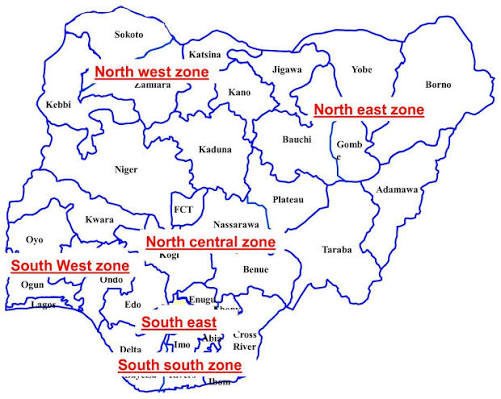
NIPOST gives FC 02 A09 DB 09 as an example. In that format, FC identifies the Federal Capital Territory, while the remaining sections progressively narrow the location down to the building.
That is a major difference from Nigeria’s established six-digit postcode system. The traditional postcode identifies broader postal areas, while the new digital system is designed to provide a more precise location reference at building level.
NIPOST says the new code can be searched, saved and shared through its digital platform.
What October 1 actually means
October 1, 2026, is the official nationwide launch date published by NIPOST. However, the launch should not be confused with every building instantly appearing in the system on the same day.
The postcode project is being rolled out across the country, with buildings being captured and validated as the system expands. NIPOST has also provided a process for buildings that do not yet have an assigned postcode to request one through the postcode application.
What the postcode could change for deliveries

One of the clearest uses is delivery. Online shopping has grown, but riders and couriers often still depend on landmarks and phone calls to locate customers.
A building-level digital postcode gives a logistics company a standard reference that can be attached to an order. NIPOST says the system can support address searches and validation, while its published materials highlight applications for logistics and e-commerce platforms.
For shoppers, that could eventually mean less reliance on instructions such as nearby landmarks or lengthy directions when providing a delivery address.
Why banks, emergency services and government may use it
The project is not being presented as a postal upgrade alone. NIPOST identifies uses that extend to logistics, government services, field operations and other applications that depend on accurate location references.
A reliable location reference could also help organisations standardise address information. For government agencies, NIPOST has highlighted possible applications in public-service delivery and infrastructure planning.
The same principle applies to emergency response: a building-level reference can provide a more precise location than a general neighbourhood description where the system is adopted for that purpose.
How Nigerians will find their new postcode

NIPOST has launched its public postcode platform for the October 1 rollout. Nigerians can check their postcode on the official NIPOST platform at postcode.gov.ng. The platform provides postcode search tools and information about the new system.
NIPOST says users can search for a building and view its assigned postcode. Depending on the available information, the system can also allow users to search by address or place, select a building on a map or use their current location while at the building.
If a building has not yet been assigned a postcode, NIPOST says users can request one through the application by submitting address and building information for review.
The organisation also warns users not to invent or guess a postcode. Nigerians should obtain and confirm their code through the official postcode platform.
The bigger picture
Nigeria’s digital postcode is about more than replacing one set of numbers with letters and numbers. It is designed to give residents, businesses and government agencies a common digital reference for locations.
If the rollout reaches its intended coverage, addresses could become easier to search, verify and share. The next test will be how widely businesses and government systems adopt the codes and how consistently Nigerians use them alongside traditional addresses.