

Nigeria’s BVN enrolment has reached 70,585,888 registrations as of October 19, 2026, according to the Nigeria Inter-Bank Settlement System (NIBSS), highlighting the growing reach of the country’s biometric banking identity system. The figure reflects the expansion of the Bank Verification Number (BVN) database as financial institutions continue to rely on customer identity verification to strengthen account security and reduce identity-related fraud.
The latest figure is published on the official NIBSS website, which provides updated information about the BVN system and its role in protecting bank customers.
However, the total represents registrations in the database, not necessarily the number of unique people actively using bank accounts or the number of active accounts in Nigeria.
BVN Enrolment Rises as Banking Security Remains a Priority
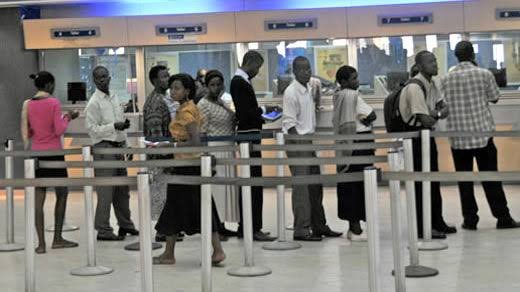
The BVN system was introduced in February 2014 by the Central Bank of Nigeria (CBN), working with the Bankers’ Committee, to address the challenge of identifying customers consistently across the Nigerian banking industry.
Before its introduction, verifying a customer’s identity across different financial institutions was more difficult because banks did not have a single, shared biometric identifier for each customer.
The CBN explains that the BVN provides a unique identity for bank customers across the industry. It was designed to strengthen Know Your Customer (KYC) procedures, improve the identification of customers and help financial institutions detect suspicious activities.
According to the CBN’s official BVN information page, the system was introduced to address the absence of a unique identifier across Nigeria’s banking industry.
The central bank states that the initiative would improve the effectiveness of KYC requirements while supporting efforts to reduce fraud, lower credit risk and encourage the growth of credit-related products.
The increase to more than 70.5 million registrations therefore represents a significant expansion of the identity infrastructure supporting Nigeria’s financial system.
How BVN Protects Nigerian Bank Customers
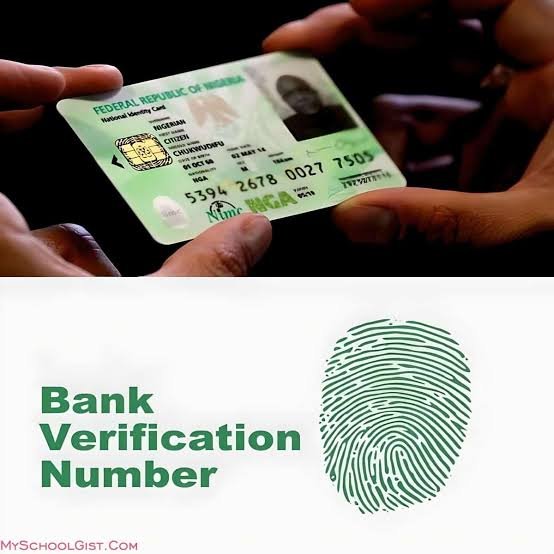
The BVN is a unique identifier linked to a customer’s biometric and personal information. It allows participating financial institutions to verify identities across the banking system rather than treating a customer’s relationship with each bank as entirely separate.
NIBSS identifies several benefits of the system, including protecting customers’ accounts against unauthorised access, reducing exposure to identity theft and helping banks identify customers associated with fraudulent activities.
The system also allows customers to link their BVNs to their accounts across different Nigerian banks. This makes it easier for participating institutions to verify identities consistently, even when a customer maintains accounts with multiple financial institutions.
However, having a BVN does not guarantee that an account can never be compromised. Customers must still protect their passwords, personal identification details and transaction authentication information.
Fraudsters may attempt to deceive customers into disclosing sensitive information, making awareness and careful handling of banking details important parts of account security.
The BVN provides an additional layer of identity verification, but its effectiveness also depends on responsible use and the security measures maintained by financial institutions.
CBN Rules Strengthen BVN and NIN Requirements

The expansion of BVN enrolment has taken place alongside regulatory measures aimed at improving customer identification across Nigeria’s financial system.
In December 2023, the CBN issued a circular requiring individual Tier 1 bank accounts and wallets to have either a BVN or a National Identification Number (NIN). For individual Tier 2 and Tier 3 accounts and wallets, the circular requires both identifiers.
The directive also instructed financial institutions to begin the account-opening process by electronically retrieving relevant BVN or NIN information from the appropriate databases.
Existing individual customer accounts with validated BVNs were also required to be profiled in NIBSS’ Industry Customer Accounts Database.
These measures are intended to strengthen customer verification and improve the reliability of identity information used by financial institutions.
The BVN and NIN serve related but distinct purposes. The BVN is designed specifically for identity verification within the banking system, while the NIN is a national identity number administered through Nigeria’s national identity management system.
Their use in financial services supports efforts to improve identification and reduce opportunities for individuals to misuse identities when opening or operating accounts.
What the 70.5 Million BVN Figure Means

The latest NIBSS figure provides an indication of the scale reached by Nigeria’s banking identity infrastructure. Nevertheless, it should not be interpreted as proof that 70.5 million Nigerians are financially included or that every registered customer actively uses a bank account.
Registration figures alone cannot establish how many people remain outside the banking system, how many registered customers are active or how effectively fraud has been reduced.
The number also differs from the total number of bank accounts because one customer can maintain multiple accounts linked to a single BVN.
For that reason, the enrolment figure is best understood as a measure of the reach of the BVN database rather than a direct count of active bank accounts.
Further data on active customers, account ownership and fraud trends would be needed to assess the system’s wider impact on financial inclusion and banking security.
What Customers Should Know About Their BVN
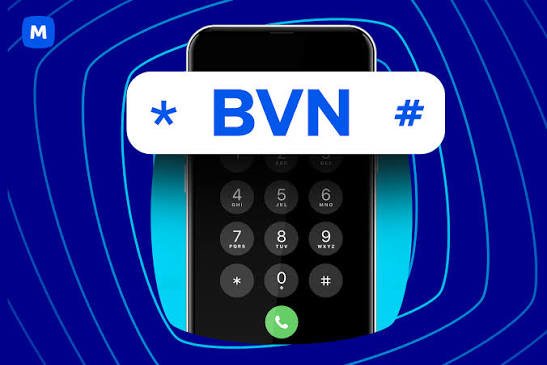
NIBSS advises that the BVN enrolment process is completed once, with the resulting number linked to a customer’s Nigerian bank accounts.
Customers should keep their BVN details secure and provide them only through legitimate banking channels when verification is required. They should also be cautious of unsolicited calls or messages requesting passwords, one-time passwords (OTPs) or other authentication details.
The CBN has also clarified that a BVN issued in Nigeria does not expire after ten years. In a May 10, 2023, press release, the central bank explained that once a customer’s biometrics have been captured and enrolled in the NIBSS database, the BVN remains valid for life.
The clarification addressed claims that BVNs had a ten-year validity period.
As enrolment reaches 70,585,888, the BVN remains a central component of Nigeria’s banking identity infrastructure. Its continued value will depend not only on the number of registrations but also on effective identity verification, strong fraud prevention and customers’ ability to protect their banking information.