
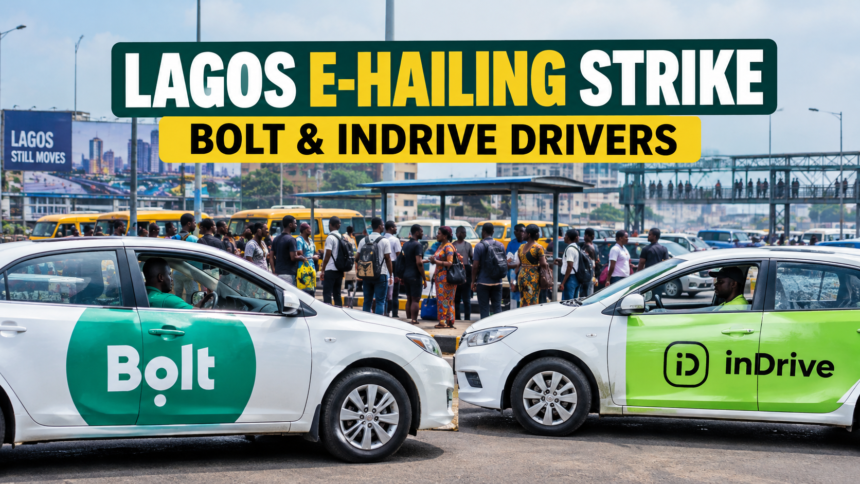
Lagos e-hailing drivers began an indefinite strike on Monday, October 12, 2026, withdrawing their services from ride-hailing platforms Bolt and inDrive over disputes involving fares, platform commissions, deductions and working conditions. The industrial action, announced by the Amalgamated Union of App-Based Transporters of Nigeria (AUATON), could disrupt ride-hailing services across Lagos as drivers demand better earnings and stronger welfare protections. Bolt has called for dialogue, but the union says its grievances remain unresolved.
Why Lagos E-Hailing Drivers Are on Strike
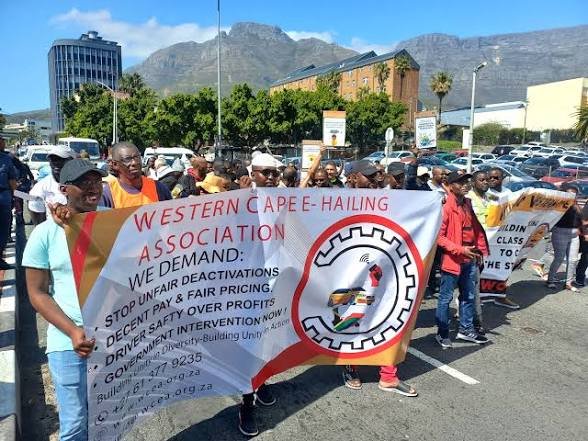
The strike follows months of complaints by app-based transporters about the cost of operating their vehicles and the amount they retain from completed trips.
AUATON, an affiliate of the Nigeria Labour Congress, said drivers had repeatedly raised concerns about platform policies, earnings, welfare and operational conditions without securing satisfactory changes.
In a statement reported by PUNCH, the union said, “Despite repeated efforts by drivers and stakeholders to draw attention to these concerns, many of the issues remain unresolved.”
The union’s grievances include the cost of fuel, vehicle maintenance, insurance, tyres, mobile data, government levies and vehicle financing. Drivers who rent vehicles or operate under hire-purchase arrangements must also meet payment obligations, even when their earnings fall short of expectations.
AUATON argues that the existing fare and commission structures do not adequately reflect these expenses, making it increasingly difficult for drivers to sustain their operations.
The union said its objective was to secure better working conditions rather than disrupt businesses unnecessarily.
Drivers Demand 10% Commission Cap
One of the central demands behind the Lagos e-hailing drivers‘ strike is a reduction in the commissions charged by ride-hailing platforms.
AUATON wants Bolt and inDrive to negotiate a commission ceiling of no more than 10 per cent, alongside a review of fares to reflect the prevailing economic realities and the actual cost of operating a vehicle.
The demand was outlined in an earlier statement signed by Jaiyesimi Azeez, chairman of AUATON’s Lagos State Council, ahead of the planned industrial action.

The union is also calling for greater transparency in trip calculations. It wants drivers to receive clear information about passenger fares, platform commissions, discounts, promotional deductions, other charges, trip distances and journey durations.
According to the union, drivers should be able to understand how the amount credited to them after each trip is calculated.
AUATON is further demanding that significant changes to fares, commissions, subscriptions and other financial terms be preceded by meaningful consultation with driver representatives.
However, the proposed 10 per cent commission cap remains a demand by the union, not an agreement that Bolt and inDrive have accepted.
AUATON Seeks Better Welfare and Driver Safety
Beyond earnings, the union wants ride-hailing companies to establish stronger welfare systems for drivers.
Its demands include health insurance, accident support, emergency assistance, retirement and social protection initiatives, and driver support programmes.
AUATON is also concerned about the security risks associated with app-based transportation. It has proposed stronger passenger verification measures, including consideration of identity checks linked to the National Identification Number, subject to applicable privacy and data protection requirements.
The union wants improved safeguards against impersonation, fraud, robbery and assault affecting both drivers and passengers.
It has also called for intervention by the Lagos State Government, relevant federal authorities and labour institutions, arguing that the industry needs arrangements that protect drivers while maintaining reliable transportation services.
In a statement reported by The Guardian, AUATON said: “Technology must empower workers, not become a tool for modern-day economic exploitation.”
The union’s position is that drivers should have greater transparency, protection and a meaningful voice in decisions affecting their livelihoods.
Bolt Responds to the Planned Shutdown
Bolt has publicly acknowledged the concerns raised by AUATON and called for discussions to find a way forward.
According to The Guardian, Weyinmi Aghadiuno, the company’s head of regulatory and policy for Africa, said the company recognised the financial pressures facing drivers.
“Drivers are central to the ride-hailing ecosystem, and we recognise the economic realities they are navigating. We take the concerns being raised seriously and believe the best way forward is through constructive, open and solution-oriented engagement,” Aghadiuno said.
Bolt also proposed a roundtable discussion with AUATON and driver representatives to exchange views and explore possible improvements.
The company encouraged drivers to continue serving passengers while discussions were underway, expressing its preference for dialogue.
However, the union’s decision to proceed with the strike indicates that the dispute had not been resolved before the announced commencement date.
The Guardian’s report did not include a corresponding response from inDrive addressing the specific demands.
What the Strike Means for Lagos Commuters
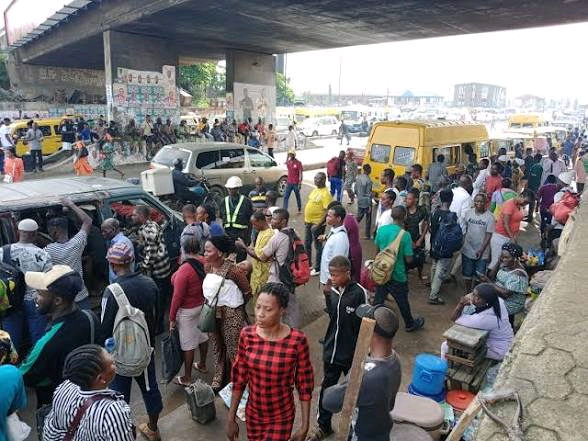
The immediate concern for passengers is whether enough drivers will withdraw their services to make finding a ride more difficult.
If participation is substantial, commuters who depend on Bolt and inDrive could face longer waiting times, fewer available vehicles and possible changes to their travel arrangements.
The extent of the disruption will depend on how many drivers participate and whether negotiations produce progress during the industrial action.
AUATON has also said its task force would be deployed across Lagos local government areas to monitor compliance with the strike. PUNCH reported that the union warned drivers operating contrary to its directives could face internal disciplinary measures.
The union has appealed to fleet owners and managers to provide temporary relief from daily remittance obligations and related operational targets while drivers are not earning their usual revenue.
It also urged fleet partners to avoid penalties or adverse measures solely because drivers participated in the industrial action.
These requests highlight another difficulty facing the union: some drivers may struggle to remain offline for an extended period because vehicle payments and other financial commitments do not automatically stop when work does.
Will the Lagos E-Hailing Strike End Soon?
The duration of the strike remains uncertain. AUATON said the action would continue until further notice or until satisfactory progress was made towards resolving its grievances.
The union has also explored alternative arrangements involving Nigerian mobility platforms, although any proposed alternative would need to demonstrate sustainable fares, transparent commissions, appropriate safety measures and meaningful driver support.
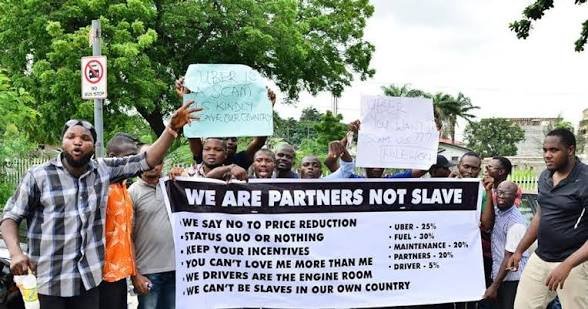
For now, the main issues remain the commission structure, fare reviews, transparent deductions and improved working conditions.
Bolt’s willingness to engage creates an opportunity for negotiations, but a proposed meeting does not mean an agreement has been reached.
For Lagos commuters, the outcome will determine whether the disruption continues. For drivers, the central question is whether the strike will lead to changes that make operating on ride-hailing platforms more financially sustainable.