



Olu Jacobs documentary ‘Doyen of Nollywood’ revisits his remarkable acting journey, family life, mentorship and lasting influence on Nollywood.
The Olu Jacobs documentary ‘Doyen of Nollywood’: Celebrating Olu Jacobs returned to television as a poignant reminder of the life and career of one of Nigeria’s most respected actors.
Originally produced in 2022 to celebrate Jacobs’ 80th birthday, the documentary has taken on a different meaning following his death at 84 on September 16, 2026.
Africa Magic brought the production back to its audience as part of its tribute to the late actor, allowing viewers to hear directly from colleagues, friends and members of his family about the man behind the celebrated screen performances.
Directed and written by filmmaker Femi Odugemi and produced by Zuri 24 Media, the documentary runs for about 35 minutes. Its focus goes beyond a list of films and awards, looking instead at Jacobs’ journey into acting, his family, his return to Nigeria and the influence he had on generations of performers.
‘Doyen of Nollywood’ Looks Beyond Olu Jacobs’ Famous Roles

One of the documentary’s strongest features is the collection of personal memories from people who actually knew and worked with Jacobs.
Among those featured are his wife and fellow actress Joke Silva, Richard Mofe-Damijo, Taiwo Ajai-Lycett, Patience Ozokwor, Kate Henshaw, Afolabi Adesanya and journalist Jahman Anikulapo.
Their contributions help present different sides of Jacobs, from his professional discipline to his personality away from the cameras.
The production also revisits his path into acting. Jacobs trained at the Royal Academy of Dramatic Art in London and worked extensively in British theatre and television before becoming one of the major figures in Nigeria’s developing film industry.
His international credits included productions connected to the BBC, National Theatre and Royal Shakespeare Company, among others.
His return to Nigeria became another important part of the story.
Veteran actress Taiwo Ajai-Lycett, who studied with Jacobs in the United Kingdom, recalled his abilities as a performer and described his command of words.
Richard Mofe-Damijo also reflected on the effect Jacobs’ return had on other people working in the Nigerian entertainment industry.
Joke Silva and Family Reveal Another Side of Olu Jacobs
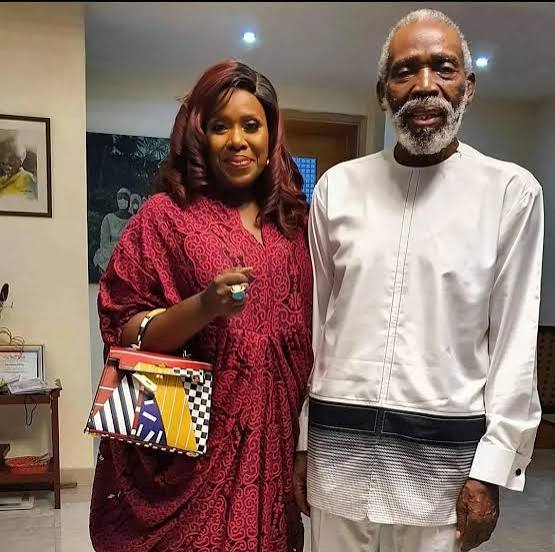
Away from the stage and screen, the documentary turns to Jacobs’ life at home.
Joke Silva offers personal memories of their marriage, including an amusing recollection of their wedding day. Their children, Soji and Gbenga, also provide insight into their father’s character, describing a man who placed importance on principles, proper conduct and family.
That section gives the documentary a more intimate quality because it does not rely entirely on the public image of the celebrated actor.
The film also touches on Jacobs’ quieter side. His son Soji recalled that his father sometimes preferred his own space, particularly when he wanted to step away from public attention.
The family’s recollections therefore add another dimension to the actor Nigerians knew from television and cinema.
Olu Jacobs’ Influence on Nollywood Remains a Major Theme
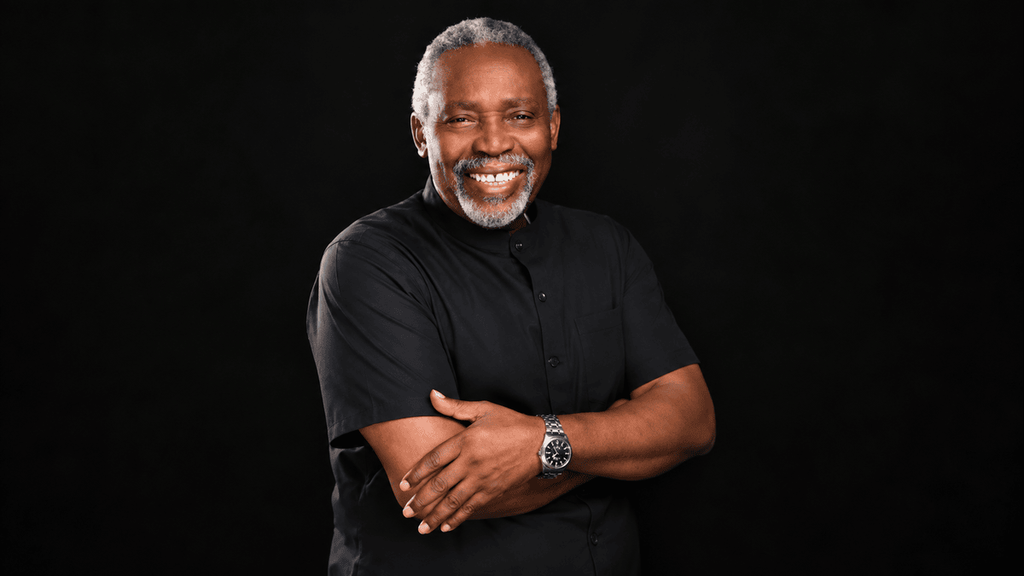
The documentary repeatedly returns to Jacobs’ influence on the acting profession.
Kate Henshaw recalled his attention to diction and his willingness to encourage other actors, while other contributors spoke about his professionalism and approach to the craft.
His reputation was therefore presented not simply through the number of productions in which he appeared, but through the people who said they were affected by his presence in the industry.
Jacobs’ career stretched across theatre, television and film. He also worked with his wife on the Lufodo Group and the Lufodo Academy of Performing Arts, extending their involvement in the creative industry beyond acting into production, distribution and training.
His career brought several major honours, including the Africa Movie Academy Award for Best Actor in a Leading Role in 2007 and Nigeria’s national honour of Member of the Order of the Federal Republic, MFR, in 2011.
He also received the Industry Merit Award at the Africa Magic Viewers’ Choice Awards and an AMAA Lifetime Achievement Award.
Why the Documentary Feels Different After His Death

When ‘Doyen of Nollywood‘ was originally made, it was a celebration of an actor who had reached 80 and was being honoured for his contribution to the profession.
Its return in September 2026 changes the emotional context.
Jacobs died on September 16 at the age of 84, making the personal accounts preserved in the documentary part of the public record of how colleagues, friends and family viewed him during his lifetime.
That is what gives the recent broadcast its significance. Rather than being a newly assembled memorial, it is an earlier portrait of Jacobs now being watched through the reality of his passing.
For audiences who knew him primarily through his commanding performances, ‘Doyen of Nollywood‘ offers something more personal: stories about the actor, husband, father, colleague and mentor behind the characters.
And perhaps that is why the documentary remains relevant years after it was first produced. It preserves the voices of people who knew Olu Jacobs while allowing a new generation of viewers to understand why his name became so closely associated with excellence in Nigerian theatre, television and film.