



Nigerians killed in South Africa have sparked fresh outrage after Bishop Michael Taiwo Fakunle and James Uchechukwu Nwankwo died in separate incidents, prompting Nigeria to demand investigations and stronger protection for its citizens.
Nigerians killed in South Africa have once again raised serious concerns over the safety of Nigerian nationals, following the deaths of Bishop Michael Taiwo Fakunle and James Uchechukwu Nwankwo in separate incidents on September 4 and 5, 2026.
The Federal Government confirmed the two deaths and demanded thorough, transparent and expeditious investigations into what happened. The incidents have also intensified concerns over xenophobic violence and alleged mistreatment of Nigerians and other African migrants in South Africa.
The latest developments have triggered anger among Nigerians at home and abroad, with community groups and public officials calling for accountability and stronger measures to protect Nigerians living in South Africa.
Bishop Fakunle killed at Johannesburg residence
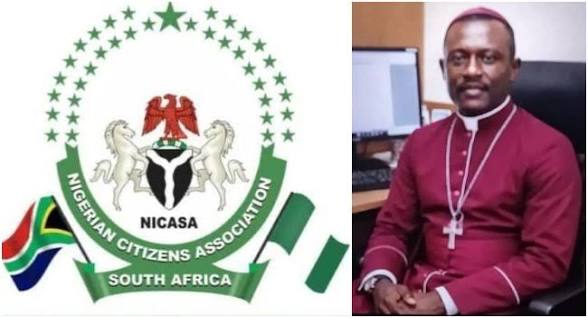
Bishop Taiwo Michael Fakunle, a 58-year-old Nigerian and indigene of Iye in Ekiti State, was killed at his residence in Kensington, Johannesburg, on September 4.
Reports from Nigerian community organisations said Fakunle had allegedly received threats before his death. The Nigerian Citizens Association South Africa called for an urgent and comprehensive investigation, saying the case must not be allowed to disappear without answers.
According to NICASA, two suspects gained access to Fakunle’s residence and opened fire. The organisation described the killing as a horrific act of violence and urged South African authorities to ensure that those responsible are brought to justice.
The circumstances have left members of the Nigerian community particularly concerned because the killing occurred amid heightened tensions surrounding foreigners in parts of South Africa.
However, authorities have not publicly established a motive for Fakunle’s killing, meaning claims linking the incident directly to xenophobia should be treated with caution until investigations determine what happened.
James Nwankwo death raises police concerns
The second death involves James Uchechukwu Nwankwo, who died on September 5 in Somerset, Cape Town.
Nigeria’s Ministry of Foreign Affairs said Nwankwo was killed in circumstances involving officers of the South African Police Service. Nigerian officials have raised concerns over what they described as alleged “gruesome interrogation techniques” used during his interaction with police.
The allegation has added another layer to the controversy because it involves law-enforcement personnel rather than an unidentified attacker.
The Federal Government has demanded that the circumstances surrounding both deaths be properly investigated. It has also raised concerns about the protection of foreigners in South Africa and the need for South African authorities to take stronger action against attacks targeting migrants.
No conclusion about individual responsibility should be drawn before the relevant investigations are completed.
Nigerians killed in South Africa spark diplomatic concern
The deaths have come at a particularly sensitive time in Nigeria-South Africa relations.
Nigeria’s National Assembly has suspended official visits to South Africa and ordered a boycott of legislative activities hosted or organised by South African authorities until further notice.
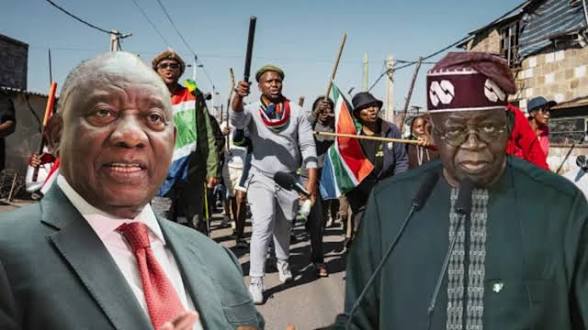
The decision covers lawmakers, committees, officials and staff, as well as conferences, seminars, workshops and parliamentary engagements involving South African legislative authorities. The National Assembly said its action followed continuing reports of violence, intimidation, displacement and destruction of property affecting Nigerians and other African nationals.
The move demonstrates how the latest killings have gone beyond community-level concern and become part of a wider diplomatic and political issue.
Nigeria has also previously taken steps to assist citizens affected by renewed attacks in South Africa, including evacuations of Nigerians amid the recent wave of anti-migrant tensions.
Fani-Kayode raises wider death toll

Nigeria’s ambassador-designate to South Africa, Femi Fani-Kayode, has described the latest killings as unacceptable and warned that the situation could have consequences if attacks against Nigerians continue.
Fani-Kayode said Fakunle and Nwankwo were the seventh and eighth Nigerians allegedly murdered in South Africa in 2026. He also claimed that more than 100 Nigerian nationals had been killed in South Africa between 2022 and September 2026, with more than 30 allegedly killed by South African police and defence personnel.
Those figures are claims made by Fani-Kayode and should not be treated as an independently established official death toll.
Nevertheless, they underline the seriousness of the concerns being raised by Nigerian officials and community representatives.
Xenophobia fears return to the spotlight
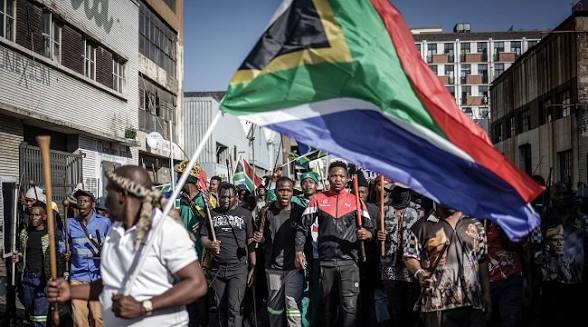
South Africa has experienced repeated waves of xenophobic violence against African migrants over the years. Nigerians have often been among the communities caught up in such tensions, while debates over immigration, unemployment, crime and access to public services have frequently fuelled hostility towards foreigners.
The latest deaths have therefore revived longstanding fears within the Nigerian community.

The Nigerian Union South Africa has condemned the killings and called on South African authorities to conduct thorough investigations and ensure that anyone responsible is held accountable. The organisation has also urged Nigerians living in the country to remain calm, law-abiding and united.
For many Nigerians, the immediate concern is not simply the circumstances surrounding two deaths but whether authorities can provide credible answers and demonstrate that Nigerian lives will receive adequate protection.
What happens next
The investigations into Fakunle’s killing and Nwankwo’s death will be closely watched by Nigerian officials, families and community organisations.
For Nigeria, the central demand is clear: determine exactly what happened, establish responsibility where wrongdoing occurred and ensure that justice follows.
For Nigerians living in South Africa, the developments have renewed questions about personal safety and the effectiveness of existing protections for foreign nationals.
The deaths of Fakunle and Nwankwo have also placed fresh pressure on both governments to address the wider tensions surrounding Nigerians and other African migrants in South Africa.
Until the investigations are completed, several details remain unresolved. But the reaction from Nigeria has already made clear that the deaths will not be treated as isolated incidents. The growing demand is for transparency, accountability and meaningful action to prevent more Nigerian families from receiving the same devastating news.