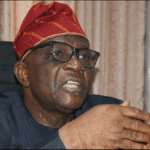
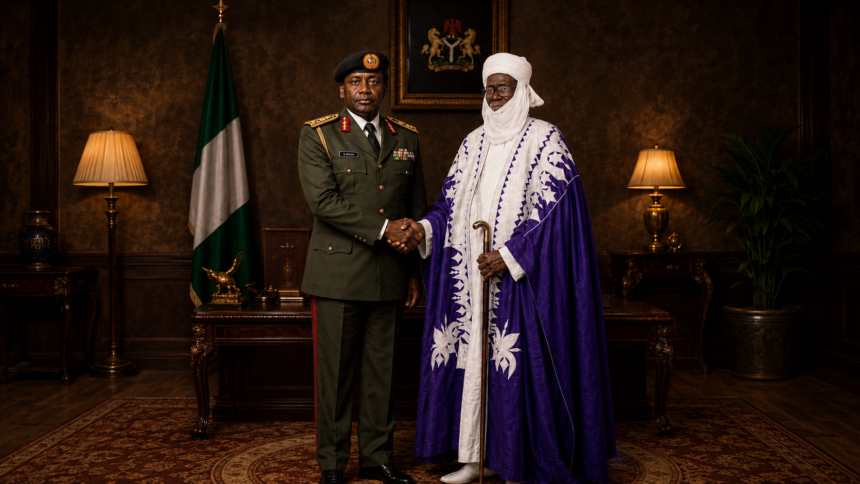
The Story of Chief Imam Yayi Akorede and His Reported Stand Against the Abacha Regime
How Akure’s Chief Imam Reportedly Defied Abacha and Helped Save Gen. Oladipo Diya
Few stories from Nigeria’s military era continue to spark discussion like the account of the late Chief Imam of Akure, Alhaji Quasim Alaba Alawiye Yayi Akorede, and his reported confrontation with the powerful regime of General Sani Abacha.
Who Was Sani Abacha?
General Sani Abacha (September 20, 1943 – June 8, 1998) was a Nigerian military officer and statesman who served as the Head of State of Nigeria from 1993 until he died in 1998. Born in Kano State, Abacha joined the Nigerian Army in 1963 and rose through the ranks to become one of the country’s most influential military leaders.
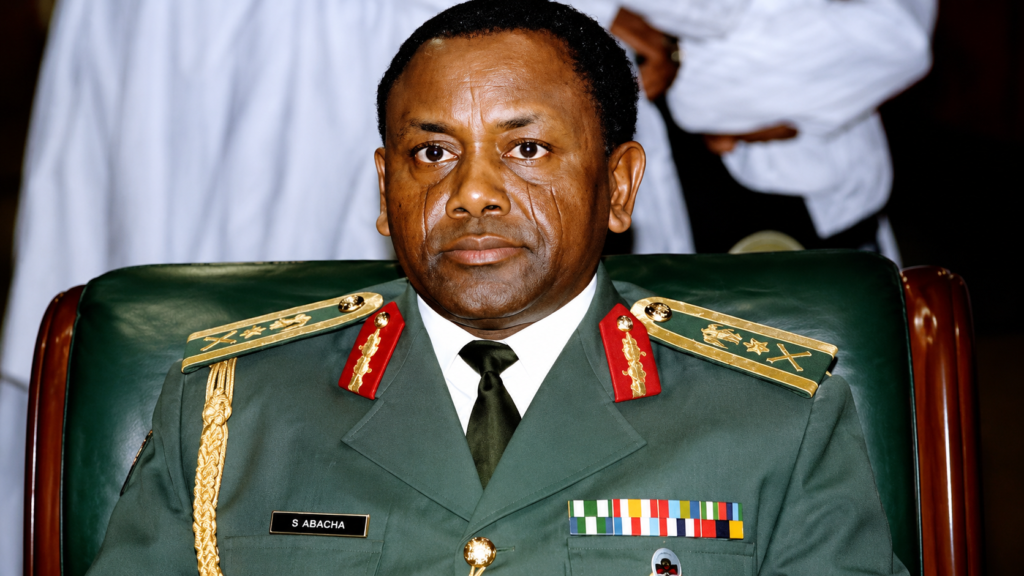
During his military career, he played key roles in several political transitions and was involved in some of Nigeria’s major coups. In November 1993, he assumed power following the collapse of the Interim National Government led by Ernest Shonekan.
Abacha’s administration was marked by economic reforms, infrastructure projects, and efforts to stabilize the country’s finances. However, his government also faced criticism from local and international groups over human rights concerns, political repression, and restrictions on civil liberties.
He remained Nigeria’s Head of State until his sudden death on June 8, 1998, an event that paved the way for the country’s return to democratic rule in 1999. More than two decades later, Abacha remains one of the most debated and controversial figures in Nigeria’s political history.
For many people in Ondo State, the story has become part of local history—a tale of courage, conviction, and a refusal to bow to pressure at a time when challenging military authority carried enormous risks.
Whether viewed as documented history or a story passed down through eyewitness accounts, it remains one of the most enduring narratives associated with the respected Islamic leader who served as Chief Imam of Akure from 1979 until he died in 2006.
The Diya Coup Crisis
In December 1997, Nigeria was thrown into political turmoil after the military government announced that General Oladipo Diya, then Chief of General Staff and second-in-command to General Sani Abacha, had been implicated in an alleged coup plot.
The development shocked the nation.
As one of the highest-ranking Yoruba officers in the country, Diya’s arrest immediately attracted widespread attention across the South-West.
To convince influential Nigerians of the government’s position, reports from the period indicate that traditional rulers, religious leaders, and prominent Yoruba figures were invited to Abuja to watch a video presentation that allegedly detailed the coup plot and Diya’s involvement.
Among those invited was Chief Imam Yayi Akorede.
The Question That Changed the Conversation
According to accounts that have circulated for years, journalists surrounded Baba Yayi Akorede after the screening and sought his reaction.
Rather than condemn Diya immediately, the cleric reportedly responded with a simple question.
“If someone tells you that your child has stolen something, won’t you first see the child and ask questions before deciding to punish him?”
The remark was simple, but many who followed the political events of that era believe it carried a powerful message.
At a time when several influential figures had reportedly accepted the government’s narrative, the Imam’s statement focused attention on due process, fairness, and the right of an accused person to be heard.
When journalists asked him to repeat the statement in Yoruba, he reportedly did so without hesitation.
The comment quickly attracted attention and became one of the most talked-about reactions to the alleged coup case.
Refusal to Accept Gifts
Another aspect of the story that has endured over the years concerns allegations that gifts were distributed to guests after the screening.
According to those accounts, Baba Yayi Akorede instructed members of his delegation not to collect any gifts before leaving Abuja.
Supporters later pointed to the decision as evidence of the cleric’s independence and integrity.
Although details surrounding the alleged gifts remain difficult to verify independently, the story has become an important part of the narrative surrounding his encounter with the military government.
Standing Firm Under Pressure
Stories from those close to the late Imam suggest that his position did not sit well with some powerful figures within the regime.
Accounts from the period claim concerns were raised about his safety following his public comments.
Yet those who knew him often described him as fearless, deeply principled, and unwilling to compromise his convictions regardless of the circumstances.
His supporters believe that these qualities made him one of the most respected religious leaders of his generation.
A Dramatic Turn of Events
Just months after the alleged coup controversy, Nigeria witnessed a dramatic political shift.
On June 8, 1998, General Sani Abacha died suddenly, ending his military administration and opening a new chapter in the country’s political history.
In the months that followed, General Oladipo Diya and others accused of the alleged coup plot regained their freedom.
For many people who remember the events, the timing added another remarkable layer to an already compelling story.
A Legacy That Lives On
Nearly two decades after his passing, Chief Imam Yayi Akorede remains a revered figure in Akure and beyond.
His legacy extends far beyond this single episode. He is remembered for his leadership, religious devotion, commitment to justice, and willingness to speak his mind during difficult moments.
Whether every detail of the story can be historically verified or not, the account continues to inspire many Nigerians who see it as a reminder that true leadership often requires courage, fairness, and the willingness to stand by one’s principles when it matters most.