


UNILAG, University of Ibadan and Covenant University top Nigeria’s universities in THE World University Rankings 2027, with 29 Nigerian universities ranked globally.
UNILAG, University of Ibadan and Covenant University top Nigeria’s universities in THE World University Rankings 2027, with the three institutions sharing the 801–1000 global band in the ranking released on September 30, 2026.
The latest result gives Nigeria three joint highest-ranked institutions in the Times Higher Education table, while the country’s representation rises to 29 ranked institutions, compared with 24 in the 2026 edition.
The most notable movement is Covenant University’s return to the 801–1000 band. The private institution had been placed in the 1001–1200 range in the previous edition, while the University of Lagos and University of Ibadan retained their positions in the 801–1000 band.
UNILAG, University of Ibadan and Covenant University share top position

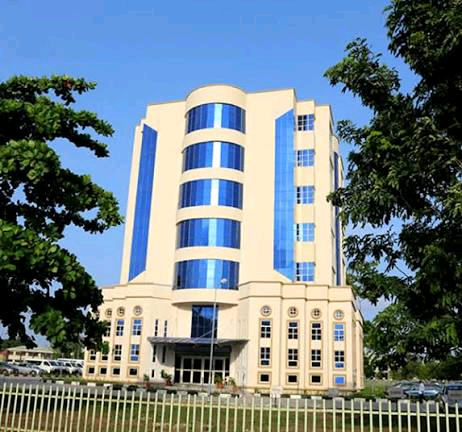
UNILAG, University of Ibadan and Covenant University jointly occupy Nigeria’s highest position in the THE World University Rankings 2027.
All three institutions are placed in the 801–1000 global band. THE uses ranking ranges for groups of institutions, meaning the result does not establish one of the three as a separate national No. 1.
For UNILAG, the result maintains its position among Nigeria’s top institutions after it shared the 801–1000 band with the University of Ibadan in the 2026 edition.
The University of Lagos also remains in the same global range, while Covenant University has moved back into the top Nigerian band after being ranked between 1001 and 1200 last year.
That change makes Covenant University’s movement one of the major talking points in Nigeria’s 2027 result.
What the THE World University Rankings 2027 measured
The THE World University Rankings 2027 cover 2,297 institutions across 118 countries and territories, making this the largest edition of the global ranking so far. The previous table covered 2,191 institutions.
The 2027 assessment uses 17 performance indicators across five broad areas: teaching, research environment, research quality, international outlook and industry.
The measures examine areas including the learning environment, research activity, research reputation, citation impact, research strength, research excellence, international collaboration, industry income and patents.
This gives the ranking a wider scope than a simple academic reputation table. Institutions are assessed across different aspects of their teaching, research and external engagement before their overall position is determined.
UNILAG records strong research quality result
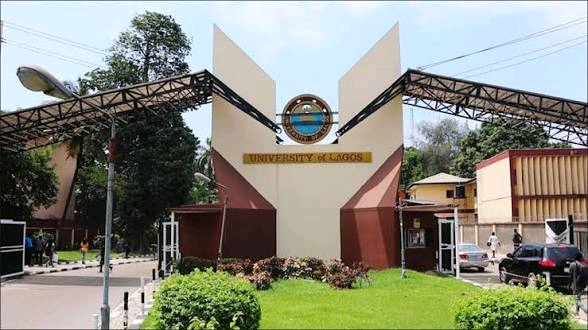
The University of Lagos also stands out in one of the major areas assessed by THE.
According to the Nigerian assessment of the 2027 results, UNILAG recorded the highest research-quality score among Nigerian institutions at 67.8.
Covenant University recorded the strongest industry score, while Bayero University recorded Nigeria’s strongest international outlook.
For UNILAG, the research-quality result adds another dimension to its joint position among Nigeria’s top institutions. The research-quality category covers measures including citation impact, research strength, research excellence and research influence.
29 Nigerian universities make the global ranking

Nigeria’s stronger representation is another major part of the 2027 story.
The country has 29 Nigerian universities in the latest THE ranking, compared with 24 in 2026. Five institutions — Osun State University, University of Maiduguri, Olabisi Onabanjo University, Kwara State University and Michael Okpara University of Agriculture, Umudike — were newly ranked.
Behind the three institutions in the 801–1000 band are Ahmadu Bello University, Bayero University, Landmark University and University of Ilorin, all in the 1001–1200 range.
That brings the number of Nigerian institutions within the global top 1,200 to seven.
Nigeria also has the largest number of ranked institutions in sub-Saharan Africa. THE said the number of ranked institutions across the region increased from 55 to 69, with Nigeria accounting for 29 of them.
The University of Cape Town remained the region’s highest-ranked institution at joint 147th globally.
Experts point to research and global reputation

The latest ranking has also renewed attention on what Nigerian institutions need to improve their international standing.
Professor Peter Okebukola, chairman of the Nigerian Tertiary Education Ranking Advisory Committee under the Federal Ministry of Education, said Nigerian institutions need to strengthen global academic reputation, research output and international collaboration.
He highlighted international conferences, joint research projects, visiting professors and stronger connections with academics and alumni abroad. He also identified research funding, doctoral output, accurate institutional data and stronger industry links as areas requiring attention.
According to his assessment, research quality was Nigeria’s strongest THE ranking pillar, with an average score of 43.3, followed by teaching at 20.6 and research environment at 13.9.
The Federal Government is also preparing a separate national ranking covering tertiary institutions, polytechnics and colleges of education. The exercise is expected to be completed before December 15, 2026.
Oxford remains No. 1 globally
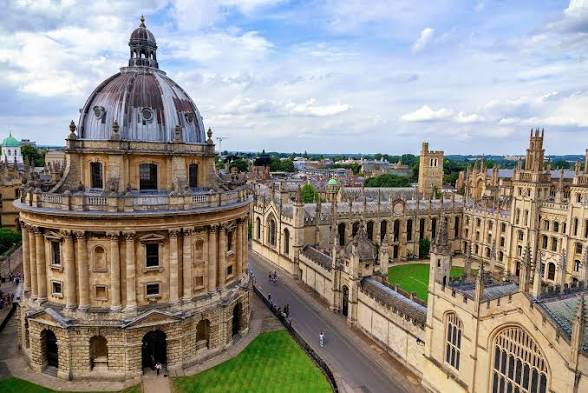
Outside Nigeria, the University of Oxford retained the global No. 1 position for an 11th consecutive year.
The Massachusetts Institute of Technology followed in second place, with THE reporting only a 0.1-point difference between the two institutions. The latest ranking also highlighted the continued rise of Asian institutions in the global higher education landscape.
For Nigeria, the 2027 result brings together three institutions at the top of the national table: UNILAG, University of Ibadan and Covenant University.
With 29 Nigerian institutions now ranked globally, the latest Times Higher Education result also shows a wider Nigerian presence in international rankings, while Covenant University’s return to the 801–1000 band gives the country’s latest result a particularly notable change.