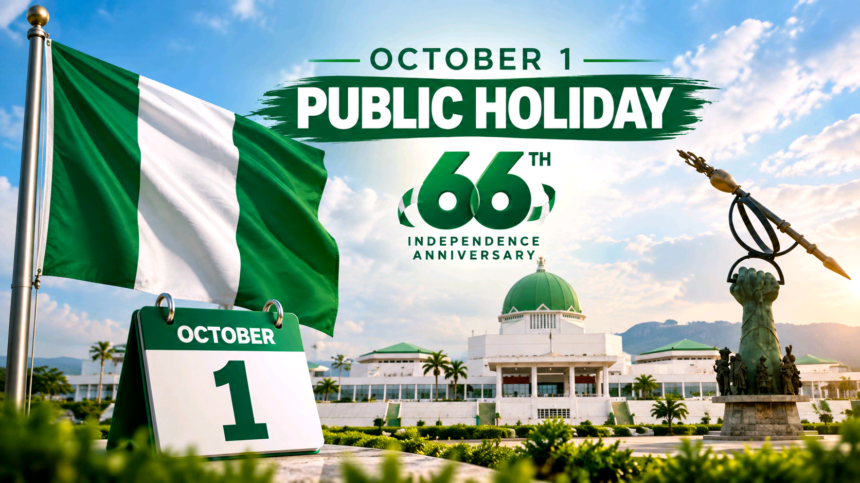
The October 1 2026 public holiday has been officially declared as the Federal Government sets Thursday aside for Nigeria’s 66th Independence Anniversary.
The declaration means Thursday, October 1, 2026, will be observed as a work-free day across Nigeria as citizens mark 66 years since the country gained independence from British colonial rule.
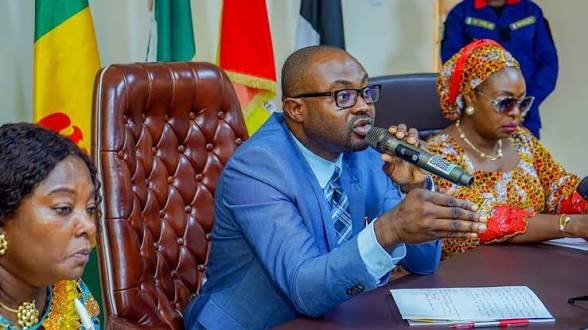
The Minister of Interior, Olubunmi Tunji-Ojo, announced the decision on behalf of the Federal Government in a statement issued by the Ministry of Interior on Wednesday, September 30.
The announcement comes just one day before Independence Day, giving workers and residents clarity ahead of Thursday’s nationwide observance.
October 1 2026 holiday: What the Federal Government announced
The Federal Government’s declaration applies to Thursday, October 1, which is Nigeria’s Independence Day.
Tunji-Ojo congratulated Nigerians at home and abroad on the 66th anniversary and urged citizens to use the occasion to reflect on the country’s journey while demonstrating unity, patriotism, peaceful coexistence and mutual respect.
The minister also stressed the importance of peace and stability to national development and called on Nigerians to draw inspiration from the country’s founding fathers.
The ministry said the government remains committed to strengthening national security, improving public safety and creating an environment where citizens can live and work with confidence.
Nigeria marks 66 years of independence
October 1, 2026, marks 66 years since Nigeria became independent in 1960.
Nigeria gained independence from Britain on October 1, 1960, with Abubakar Tafawa Balewa becoming the country’s first Prime Minister. The date has remained one of the most important points on Nigeria’s national calendar.
The anniversary is therefore more than a break from work. It is also an annual opportunity for Nigerians to look back at the country’s development, remember those who played roles in the independence struggle and consider the challenges and opportunities ahead.
This year’s anniversary is being observed under the theme, “From Reforms to Stability: Consolidating Nigeria’s Renewed Hope for Shared Prosperity.”
The Federal Government has said the 2026 programme will be relatively low-key, with the focus placed on reflection and the country’s progress rather than a large-scale celebration.
Independence Day programme includes presidential broadcast
The holiday comes as several activities have already been held ahead of the anniversary.
The official programme included a World Press Conference on September 24, a Juma’at Service on September 25, a Church Service on September 27 and an Independence Day Public Lecture on September 30.
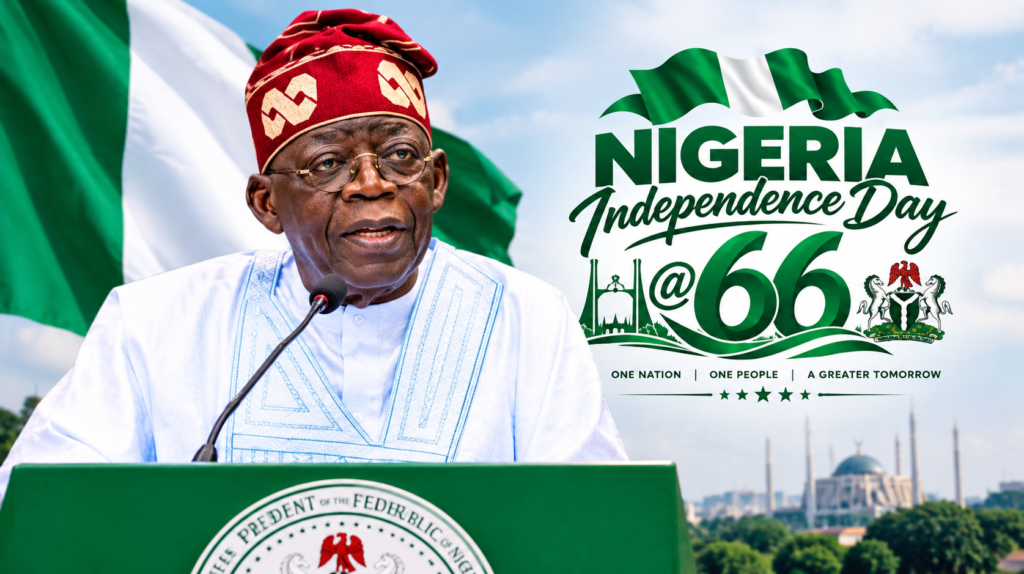
President Bola Ahmed Tinubu is scheduled to deliver a nationwide broadcast to Nigerians on Thursday, October 1, as part of the anniversary programme.
The President is also expected to participate in Independence Day activities in Lagos, where he is marking the anniversary this year.
What Thursday means for workers and residents
For most Nigerians, the immediate effect of the announcement is straightforward: Thursday will be observed as a work-free day in honour of Independence Day.
The break gives workers, families and other residents an opportunity to spend the day away from their regular weekday routines while the country marks the anniversary.
However, organisations that provide essential or continuous services may maintain their normal operational arrangements where necessary.
Businesses, schools and other institutions may also communicate their individual schedules to staff, customers or students.
The declaration itself covers Thursday, October 1. There has been no announcement in the Federal Government’s latest statement extending the holiday to Friday, October 2.
Why the 2026 anniversary matters
Nigeria enters its 67th year as an independent nation after marking 66 years of sovereignty.
That journey has included major political, economic and social changes, as well as periods of difficulty and national transition.
For the Federal Government, this year’s anniversary provides an opportunity to highlight its reform programme and its stated goal of moving from reform and economic stabilisation towards growth, production and shared prosperity.
The government has pointed to areas including infrastructure, agriculture, education, energy, enterprise and economic opportunities as part of that agenda. Those claims form part of the administration’s own presentation of its record and priorities.
Nigerians prepare for October 1
With the announcement coming on September 30, attention now turns to Thursday’s observance.
Some Nigerians will use the break to spend time with family or attend religious and community activities, while others will follow the official Independence Day events and presidential broadcast.
For many, however, the most immediate question was simply whether October 1 would be a work-free day.
The Federal Government has now provided the answer.
Thursday, October 1, 2026, is officially a public holiday in Nigeria as the country marks its 66th Independence Anniversary.