



New Sanctions Target ISIS Money Across 3 Continents
The United States announced fresh sanctions on June 22, 2026, aimed at dismantling ISIS’s ability to finance terrorism worldwide.
The State Department designated 3 individuals and 6 entities operating across Europe, the Middle East, and West Africa for enabling ISIS to move money across borders.
Officials say the network spans from France and Syria to Türkiye and Nigeria. Those sanctioned include a France-based facilitator who provided explosives intelligence to ISIS supporters, a Syria-based operator using cryptocurrency to transfer funds for ISIS associates in multiple countries including the Uhttps://westtrybe.com/oil-prices-react-as-us-iran-talks-shake-global-markets/S, and a Nigeria-based money exchanger whose businesses served as conduits for ISIS financing.
The Treasury simultaneously sanctioned six entities: two Türkiye-based money transfer firms, a Syria-based crypto exchange called “Bitcoin Exchange Agent Idlib’s No.1 Coin Exchange”, and three Nigeria-based currency exchange firms linked to Mukhtar Adamu Muhammad.
“These actions reflect the United States’ unrelenting pressure on ISIS, which continues to decentralize its operations and rely on financial intermediaries to connect its global network,” State Department spokesperson Tommy Pigott said.
US-Nigeria Strike Kills ISIS #2 Official
The financial crackdown comes weeks after a major military operation. On May 16, 2026, the US and Nigeria carried out a joint strike in Borno State that killed Abu-Bilal al-Minuki, described as the “number two official in ISIS” and leader of ISIS’s General Directorate of Provinces.
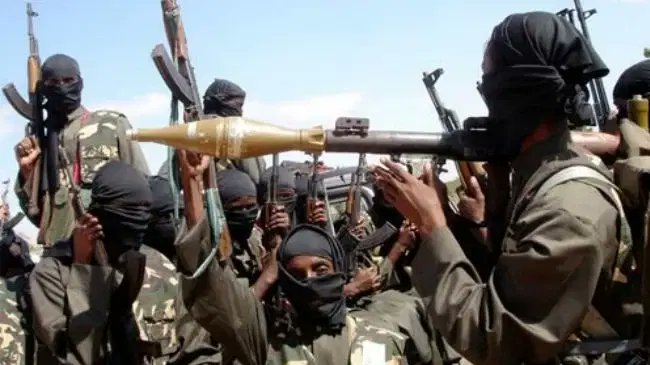
President Trump confirmed the killing publicly, calling it a blow to ISIS leadership. US Africa Command, AFRICOM, has since conducted additional airstrikes in northeast Nigeria as part of the ongoing counterterrorism campaign.The operation underscores growing US-Nigeria counterterrorism cooperation as both countries target ISIS affiliates in the Lake Chad Basin.
ISIS Shifts to Decentralized Global Cells

US officials say ISIS no longer controls territory like it did in 2014-2017, but the group has shifted to autonomous cells and affiliates worldwide. The State Department notes ISIS is increasingly relying on decentralized networks and financial intermediaries to move funds internationally.
The group maintains active affiliates in Somalia, Niger, Southeast Asia, and the Philippines. The US-led Defeat-ISIS coalition now includes about 80 member countries and partners working to prevent ISIS from reconstituting.
Focus on Detainees and Camp Security

A key part of the 2026 strategy involves ISIS detainees held in Syria and Iraq. In January 2026 the US welcomed Iraq’s move to detain ISIS members in secure facilities following instability in northeast Syria.The US is urging countries to repatriate their citizens from camps like al-Hol “to face justice, rehabilitation, and reintegration”. In February 2026, the Global Coalition to Defeat ISIS met in Riyadh to coordinate on detainees, repatriation, and camp security.
Threats Remain: Travel Warnings and World Cup Alerts
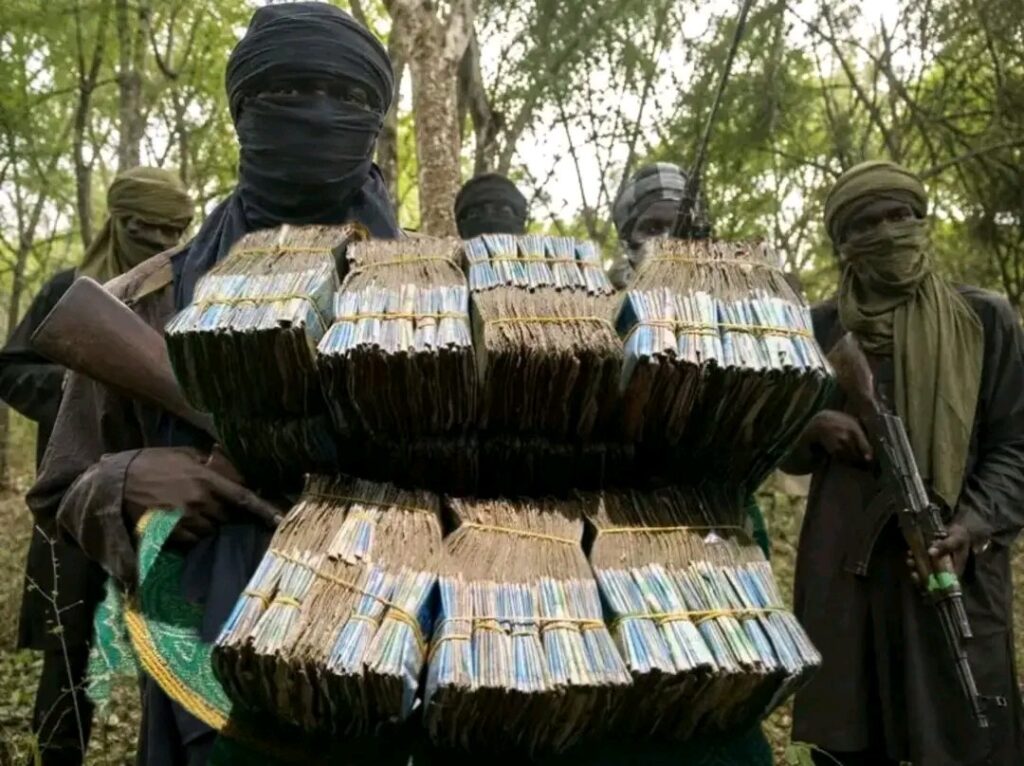
Despite battlefield losses, ISIS continues to pose a threat. The US Embassy in Baghdad maintains a Level 4 “Do Not Travel” warning for Iraq, citing risks from ISIS and Iran-aligned militias.
In June 2026, ISIS released calls for attacks on US soil during the FIFA World Cup, prompting heightened security alerts from US authorities.
“Every Tool Available”
The State Department says it will keep using diplomatic, financial, and military tools to hold ISIS and its supporters accountable “wherever they operate and however they move money”.
“We remain fully committed to protecting American lives, defending religious minorities, and working with international partners to eliminate the threat that ISIS poses to global peace and security,” Pigott added.

With ISIS decentralized and operating through affiliates, Washington’s 2026 approach combines financial sanctions, targeted strikes, and international cooperation to prevent a resurgence.