
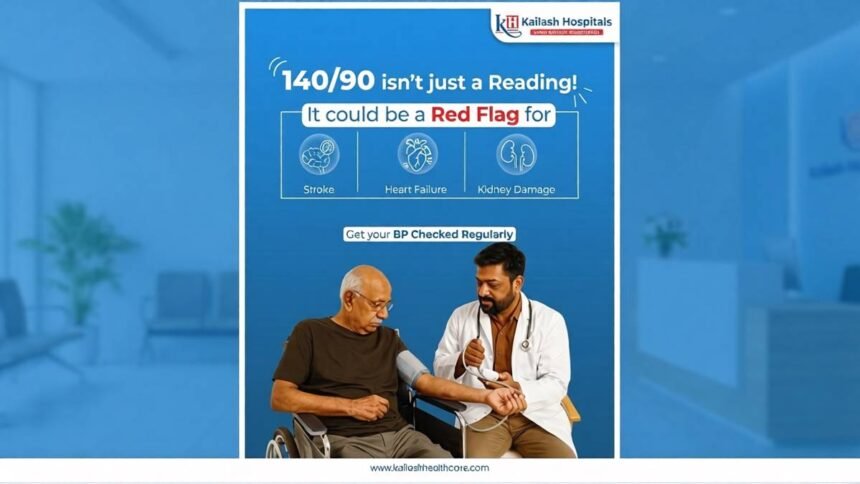
The World Health Organization has warned that high blood pressure is a silent threat that damages vital organs with no warning signs, urging people to keep readings below 140/90 mmHg.
The global health body shared the advisory on its verified X account, stressing the importance of early detection and regular monitoring to reduce the risk of heart disease, stroke, kidney damage, and other life-threatening complications associated with hypertension.
The advisory read, “High blood pressure often has no warning signs, but it can quietly damage your heart, brain, kidneys, and blood vessels. Check your blood pressure regularly, keep track of your readings over time, and aim for a healthy blood pressure below 140/90 mmHg.”
The WHO added, “The sooner you know your numbers, the sooner you can take steps to protect your health.” The organization called on people to take action, stating that doing so can help prevent serious health problems.
The WHO urged people to monitor their blood pressure regularly and keep it below 140/90 mmHg, calling high blood pressure a “silent threat” capable of causing serious damage to vital organs without showing any warning signs.
The organization placed particular weight on early detection, noting that regular monitoring can reduce the risk of life-threatening complications associated with hypertension, including heart disease and stroke.
Medical experts describe hypertension as a “silent killer.” According to the WHO advisory, high blood pressure can quietly damage the heart, brain, kidneys, and blood vessels without producing symptoms that would alert a patient to the condition.
Hypertension is one of the leading risk factors for cardiovascular diseases worldwide. Health experts say many people live with the condition for years, unaware that progressive organ damage is occurring throughout that period.
According to health experts, regular blood pressure checks; a healthy diet low in salt; regular physical activity; maintaining a healthy weight; avoiding tobacco use; limiting alcohol intake; and adhering to prescribed medication where necessary are among the most effective ways to prevent and control hypertension.
Each of those measures, applied consistently, forms the basis of clinical guidance that health systems around the world have adopted for decades. None of them require specialist equipment. Most can be acted on without a prescription.
The WHO has consistently called on governments and health authorities to strengthen awareness campaigns and improve access to blood pressure screening, noting that early diagnosis and effective management remain critical to reducing deaths and disabilities linked to cardiovascular diseases.
The Tuesday advisory did not name a specific country or region. It applied globally, directed at any individual who has not established a routine of monitoring their own blood pressure readings over time.
Hypertension remains one of the most common non-communicable conditions managed by primary health facilities. Its absence of symptoms means a patient may feel entirely well while the condition advances. That gap between physical experience and clinical reality is precisely what the WHO advisory targeted.
The organization’s closing instruction was plain: know the numbers, take control, and stay healthy. It framed the choice not as a matter of medical complexity but of access to information and the decision to act on it before complications develop. The message was directed at ordinary people, not clinicians, and its simplicity was deliberate. Awareness campaigns that speak in clinical language rarely reach the people who need them most.
The World Health Organization has consistently pressed the case that high blood pressure, left undetected and unmanaged, produces cardiovascular and renal outcomes that are largely preventable. The barrier to prevention in most cases is not treatment cost but awareness. People do not avoid managing hypertension because the options are out of reach. In many cases, they simply do not know they have it, and without routine screening, there is no prompt to find out.