
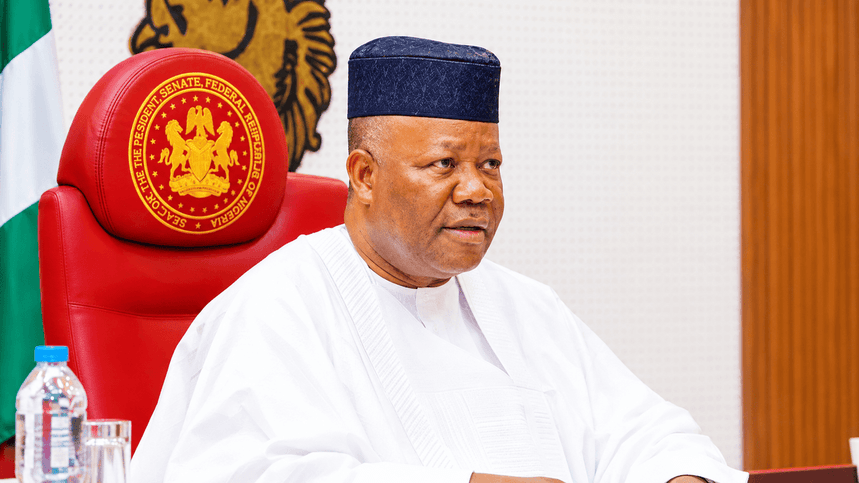
“If you attempt suicide, make sure you die. Anyone who attempts and fails will go to jail,” Akpabio said. The remark drew attention because it came as senators were debating, and ultimately advancing, a bill designed to do the exact opposite of what he prescribed.
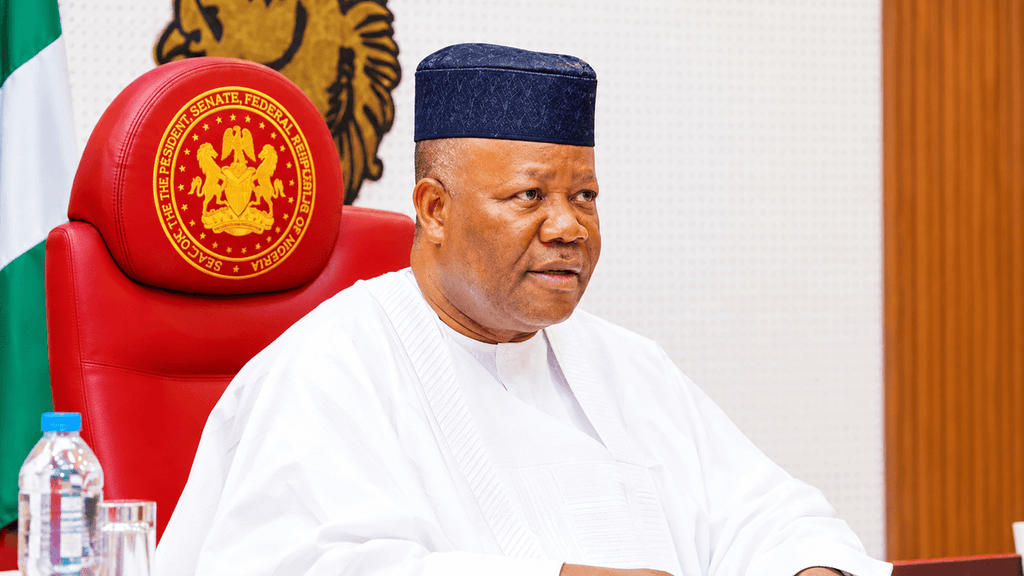
The Senate passed for second reading a bill seeking to replace criminal punishment for attempted suicide with medical treatment, rehabilitation, and support services. That passage happened despite Akpabio‘s position, not because of it. A majority of senators supported the bill through a voice vote, reflecting a growing consensus among Nigerian lawmakers that mental health emergencies require clinical rather than punitive responses.
The bill, sponsored by Senator Asuquo Ekpenyong, who represents Cross River South, seeks to decriminalize attempted suicide and establish a legal framework for suicide prevention, treatment, and support for survivors. Its formal title is SB.730, and it cleared second reading on Tuesday.
Leading the debate, Ekpenyong argued that while the National Mental Health Act recognizes attempted suicide as a psychiatric emergency requiring treatment, Section 327 of the Criminal Code and Section 231 of the Penal Code still criminalize the act. Those two positions, he said, cannot coexist. He noted that the existing criminal provisions date back decades and were never designed with mental health considerations in mind.
“Our law presently speaks with two voices,” Ekpenyong said. That contradiction is what the bill is designed to resolve by making medical response the state’s first action when someone survives a suicide attempt.
Ekpenyong warned that criminalisation could discourage people from reporting suicidal thoughts, seeking medical assistance, or supporting affected relatives. He cited international examples, including reforms in Ghana and Kenya, where decriminalization was accompanied by increased uptake of mental health services. That argument found support among senators who voted to advance the bill through the chamber.
The bill proposes replacing imprisonment with mandatory assessment, referral, treatment, and follow-up support. It also provides for crisis helplines, training for police officers, teachers, and health workers, public education, and a national data system for suicide prevention.
Akpabio argued that removing criminal penalties for attempted suicide could encourage the act, insisting that those who attempted suicide but survived should be punished. He did not offer data to support that position during plenary.
Akpabio also called for the involvement of state Houses of Assembly during a public hearing on the bill, saying the legislation required careful consideration because of its implications for the Criminal Code, Penal Code, and state laws. That is a procedural point separate from his substantive opposition.
The bill was subsequently referred to the Senate Committees on Health, Secondary and Tertiary, and Judiciary, Human Rights, and Legal Matters for further legislative action. A public hearing is expected before any further vote.
Its passage for second reading does not mean it has become law. The committee stage, the public hearing, a third reading, and presidential assent all remain ahead before any provision of the bill can take effect.
Under Nigeria’s current law, a person who survives a suicide attempt faces prosecution. The proposed bill seeks to remove the conflict between existing criminal laws that punish attempted suicide and the National Mental Health Act, which recognizes the need for medical intervention in mental health emergencies. Nigeria’s Federal Neuropsychiatric Hospital in Yaba, Lagos, is among the facilities that currently treat suicide attempt survivors, often doing so in tension with the legal exposure those patients face.
What the bill does not yet answer is whether Akpabio’s opposition will harden at the committee stage or during a potential third reading. He maintained that attempted suicide should remain a criminal offense, despite calls from other lawmakers to treat it as a mental health issue. That divide will shape every debate that follows.
The Senate passed for second reading the bill seeking to replace criminal punishment with medical treatment and rehabilitation, advancing the suicide decriminalization conversation to a stage it has never reached before in Nigeria’s legislature.