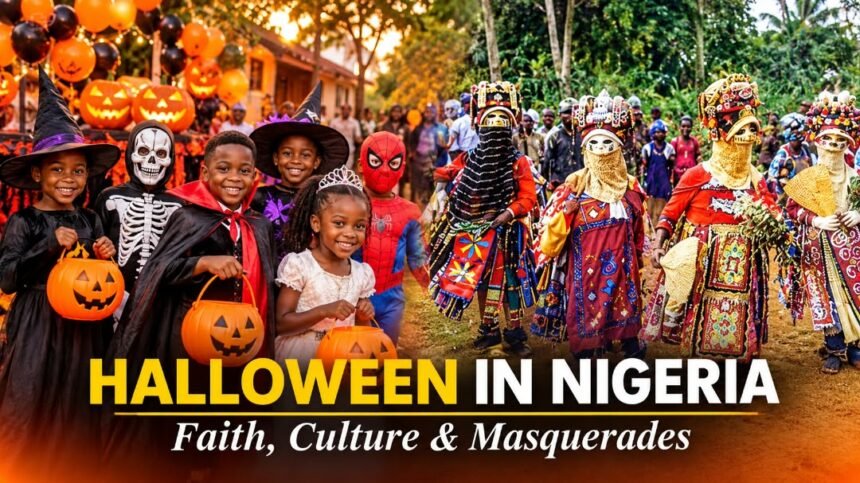
Halloween in Nigeria is bringing an interesting cultural conversation into focus as the world celebrates October 31, 2026. While some Nigerians participate in costume parties and themed activities, others want nothing to do with the celebration, citing religious beliefs, cultural identity and its association with spirits and witchcraft. Interestingly, Nigeria already has traditional masquerade festivals with spiritual significance, raising questions about why some foreign celebrations attract criticism while indigenous traditions remain widely embraced in their communities.
The divide is not necessarily about whether one tradition is better than another. It reflects how religion, upbringing, cultural identity and personal beliefs influence what people choose to celebrate.
What Is Halloween and How Is It Celebrated?
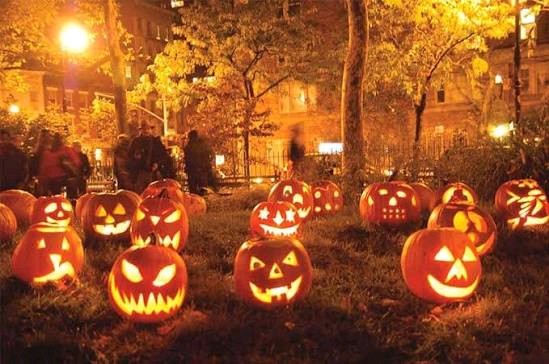
Halloween is observed annually on October 31, with historical roots in the ancient Celtic festival of Samhain. Over the centuries, it evolved into a celebration associated with costumes, pumpkins, ghost stories and themed entertainment.
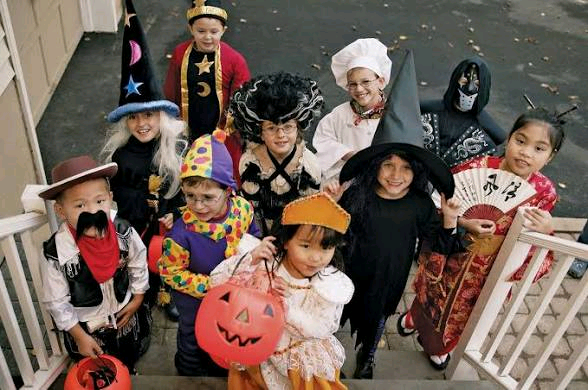
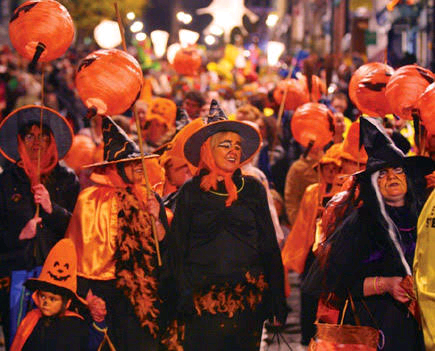
Today, people mark the occasion by dressing up as witches, ghosts, monsters and fictional characters, decorating their homes, attending costume parties and organising trick-or-treat activities for children.
Although particularly popular in the United States, Halloween has gained visibility elsewhere through entertainment, social media and international cultural exchange.
Why Nigerians Are Divided Over Halloween Today
Nigeria is also witnessing some of these activities. In Lagos, advertised celebrations for October 31, 2026, include the Scope Halloween Fest in Yaba, featuring horror movie screenings, music and costume competitions. Family-oriented costume parties have also been advertised in Lekki.
Abuja equally has advertised activities, including Fright Fest 2026, a family Halloween fair in Maitama.
Why Some Nigerians Refuse to Celebrate Halloween
For many Nigerians who reject Halloween, religion is a significant consideration.
Christianity and Islam influence how many Nigerians approach celebrations involving supernatural imagery. Among some Christian communities, Halloween’s association with witches, ghosts, spirits and darkness makes participation uncomfortable or unacceptable.
Some believe dressing up as characters associated with evil conflicts with their faith, while others avoid the occasion because of its historical associations with pagan traditions.
However, religion is not the only reason people stay away.
Cultural unfamiliarity is another consideration. Some Nigerians simply see Halloween as a foreign celebration that has little connection to their upbringing or heritage. They would rather participate in festivities that reflect their own communities and traditions.
There is also the question of commercialisation. Halloween costumes, decorations, sweets and themed events can require additional spending. Some people consider the celebration an unnecessary commercial activity, particularly when they have no personal attachment to it.
Others simply have no interest in dressing up, attending parties or participating in horror-themed entertainment.
Why Do Some Nigerians Embrace Halloween?
For those who participate, Halloween does not necessarily carry the same meaning it has for people who oppose it.
Some see it as entertainment rather than a religious occasion. They enjoy costume competitions, themed parties, horror movie screenings and the opportunity to dress differently.
American films, music, celebrities and social media have also made Halloween familiar to younger audiences who encounter its celebrations online.
For some, participating is simply another way to enjoy an international cultural event without necessarily adopting the beliefs associated with its historical origins.
However, this does not mean everyone welcomes the practice.
Some participants face criticism from people who consider Halloween inconsistent with their religious beliefs or question why Nigerians would embrace a foreign celebration instead of giving greater attention to indigenous traditions.
For others, the concern is the influence of Western culture and the fear that foreign celebrations could overshadow local customs.
Halloween and Nigerian Masquerades: A Cultural Conversation
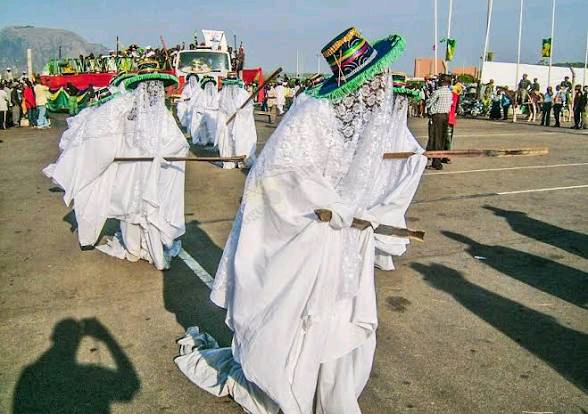
The discussion becomes particularly interesting when traditional masquerade festivals enter the picture.
Nigeria has several indigenous masquerade traditions, including the Omabe masquerade of the Nsukka cultural area in Enugu State. These traditions carry different meanings depending on the community, with connections to ancestral beliefs, spirituality, cultural identity and communal celebrations.
A 2021 study published in African Studies by Kingsley Ikechukwu Uwaegbute of the University of Nigeria examined Christianity and masquerade practices among young people in Nsukka.
The research found that young people continued participating in masquerade celebrations despite Christian objections to some of the practices. Cultural attachment, community belonging, identity and the desire to preserve indigenous traditions were among the reasons identified.
This highlights an important distinction: people can interpret the same cultural activity differently depending on their religious convictions and relationship with their heritage.
Halloween and Nigerian masquerades are not the same tradition. They emerged from different histories and cultural settings, and their spiritual meanings cannot simply be equated.
Nevertheless, their comparison reveals how cultural background influences acceptance. Some Nigerians may reject Halloween because it is associated with beliefs they do not share, while embracing masquerade festivals because they are part of their community’s heritage.
Others may reject both on religious grounds.
Faith, Culture and Personal Choice
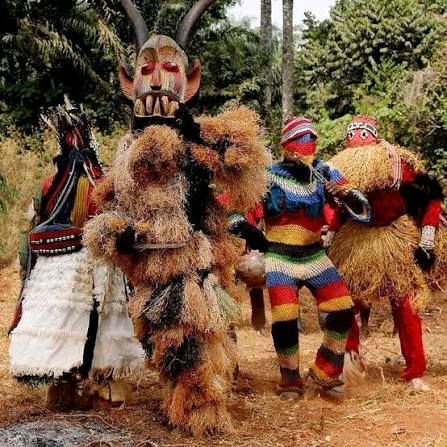
Ultimately, Nigerians do not have a single position on Halloween.
Some will celebrate it as entertainment, others will avoid it because of their faith, while some simply do not consider it relevant to their lives.
The same freedom applies to indigenous traditions. Being Nigerian does not mean everyone must participate in every traditional festival, just as exposure to foreign cultures does not mean everyone must adopt their celebrations.
As Halloween is observed today, October 31, the different reactions offer a glimpse into how culture, religion and personal convictions shape celebrations in modern Nigeria.
Whether people choose Halloween, traditional festivals or neither, their decisions reflect different relationships with faith, heritage and the cultures they identify with.