

Egg prices in Nigeria remain stubbornly high despite a reported reduction of more than 30 per cent in the prices of some poultry feeds, leaving consumers questioning why cheaper feed has not translated into more affordable eggs.
The development highlights a deeper problem within Nigeria’s poultry industry, where feed is only one part of the cost of producing and delivering eggs. Limited access to laying birds, expensive farm operations, transportation expenses and supply challenges continue to influence what consumers pay.
Although the reduction in feed prices offers some relief to farmers, the benefits may take time to reach the market.
Egg Prices and the Reality of Poultry Production Costs

Feed is one of the biggest expenses in poultry farming. However, reducing its price does not automatically reduce the total cost of producing eggs.
A March 2026 report by the United States Department of Agriculture’s Foreign Agricultural Service estimated that feeding costs account for between 60 and 70 per cent of poultry farmers’ total operating expenses in Nigeria.
The report also identified maize as approximately 65 per cent of poultry feed ingredients, highlighting how fluctuations in grain prices affect the industry.
However, cheaper raw materials do not necessarily translate into equally cheaper finished feeds.
The USDA explained that transportation, unreliable electricity and the cost of operating diesel-powered generators continue to increase production expenses for feed manufacturers.
It also identified poor road conditions and unofficial payments at checkpoints as additional factors affecting transportation costs.
These expenses can prevent feed manufacturers from immediately transferring reductions in raw material prices to farmers.
Consequently, even when some feed brands become cheaper, farmers may still face considerable operating expenses.
Why Cheaper Feed Has Not Reduced Egg Prices Immediately

Another important factor is the timing of the reduction.
Poultry farmers who purchased feed at higher prices in previous months cannot immediately recover those expenses simply because market prices have started falling.
Farmers must consider the cost of existing stock, previous purchases, outstanding expenses and the amount required to maintain their businesses.
A sudden reduction in egg prices could therefore affect their ability to recover production costs.
There is also a biological factor.
Egg production depends on the age, health and nutritional condition of laying birds. According to the University of Wisconsin-Madison Extension, hens generally begin laying between 18 and 22 weeks of age, depending on their breed and management conditions.
This means increasing the number of productive birds is not an overnight process.
Farmers who want to expand their laying capacity must invest in raising or purchasing replacement birds, providing appropriate feed and maintaining suitable housing conditions before expecting increased production.
Therefore, a reduction in feed prices alone cannot immediately increase the number of eggs available in Nigerian markets.
Shortage of Laying Birds Adds Pressure
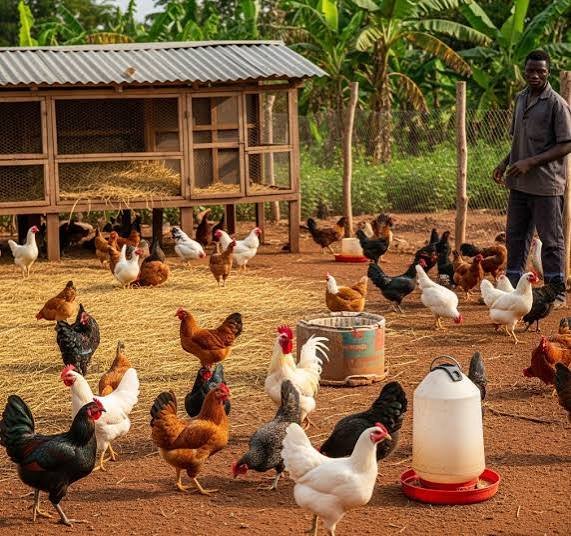
The availability of productive birds is another important part of the problem.
In April 2026, the Federal Government acknowledged concerns about inadequate supplies of pullets for Nigeria’s table egg industry.
During a meeting with the Poultry Association of Nigeria, Minister of Livestock Development Idi Mukhtar Maiha identified inadequate pullet supplies, rising feed and production costs, disease management challenges and limited access to finance among the industry’s major concerns.
The government also announced plans to address supply gaps and improve access to essential poultry inputs.
In a separate statement issued in June 2026, the Federal Ministry of Livestock Development disclosed that underutilisation of approved import allocations had contributed to shortages of day-old chicks and increased production costs.
These developments matter because farmers need a steady supply of replacement birds to maintain and expand egg production.
When access to young birds becomes difficult or expensive, existing farms may struggle to increase output, even when feed becomes more affordable.
Transportation and Distribution Keep Retail Prices High
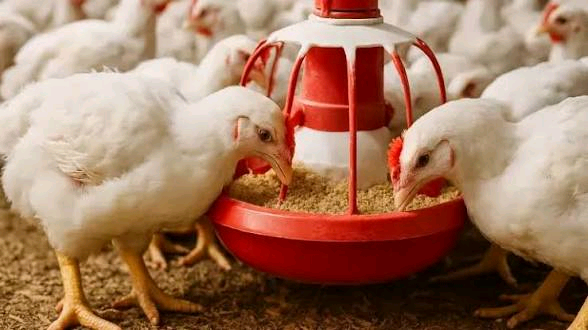
The journey from poultry farms to consumers also contributes to the final price of eggs.
Eggs must be collected, packaged, transported and distributed to retailers and markets. Each stage attracts expenses, including fuel, labour, handling and transportation.
A reduction in feed prices does not automatically reduce these other expenses.
The USDA’s assessment of Nigeria’s grain and feed market similarly identified energy and transportation costs as major obstacles to reducing the prices of finished poultry feeds.
The Federal Government has also recognised the importance of addressing these challenges.
During its April 2026 engagement with poultry industry stakeholders, the Ministry of Livestock Development identified feed, energy and other production inputs as key areas requiring intervention.
The minister said the government would pursue policies that lower production costs while maintaining quality and competitiveness.
This suggests that improving affordability requires attention to the entire poultry value chain rather than feed prices alone.
What Needs to Change Before Consumers Feel the Difference?
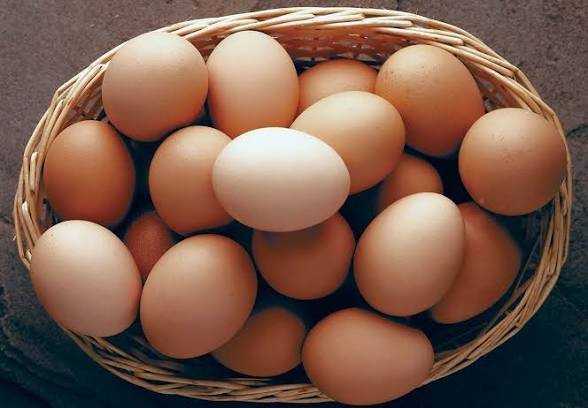
For egg prices to fall sustainably, lower feed prices must translate into reduced production expenses, while farmers must have access to affordable day-old chicks, healthy laying birds, financing and reliable infrastructure.
Improved transportation and electricity supply would also help reduce the additional expenses incurred by farmers and feed manufacturers.
The Poultry Association of Nigeria has consistently engaged the government over the industry’s production challenges, while the Federal Government has announced measures aimed at strengthening domestic poultry production.
However, the real test will be whether these interventions improve the availability of eggs and reduce the expenses involved in producing and distributing them.
For consumers, the expectation is straightforward: when the cost of a major production input falls, the price of the finished product should eventually reflect some of that relief.
But until farmers can produce more eggs at lower overall costs and move them to markets more cheaply, the reduction in poultry feed prices may not be enough to bring down egg prices significantly.
Ultimately, Nigeria’s egg price challenge is not simply about expensive feed. It is also about the cost of maintaining productive flocks, sustaining farm operations and ensuring that enough eggs reach consumers.