How a Lagos campaign vow became Nigeria’s biggest electricity debate 4 years later
The 2022 Vow That Won’t Go Away
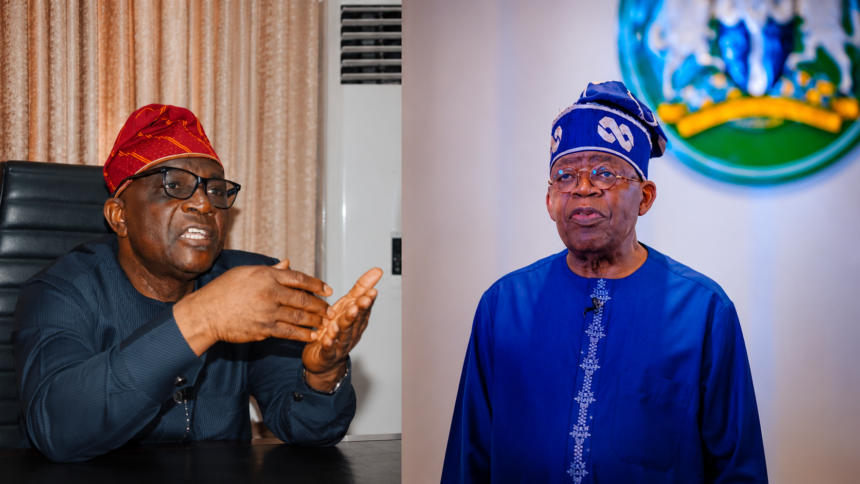
In late 2022, during a Lagos business forum, APC presidential candidate Bola Ahmed Tinubu made what looked like a career-defining promise on electricity. “Don’t Vote Me Again If I Fail on power — unless I have good reasons,”he told the audience.
He added promises of “constant power”_and “an end to estimated billing”. The clip went viral, front pages of The Nation and Vanguard carried it, and it became a core campaign talking point: “Vote me, I’ll fix NEPA.”
Fast forward to June 2026: Nigeria has seen multiple national grid collapses between 2025-2026, generation hovers at 4,000-6,000 MW despite 13,500 MW installed capacity, and most homes + businesses still run generators daily. Estimated billing remains a headache for millions.That gap between promise + reality has brought the 2022 video roaring back.
Onanuga’s 2026 Response: “It Was Misrepresented”
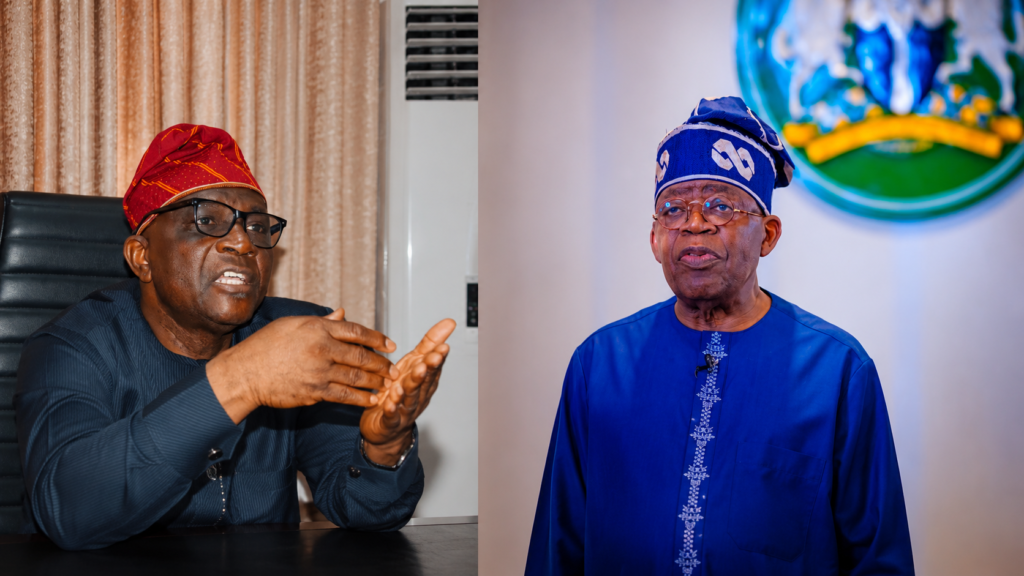
Bayo Onanuga, Tinubu’s Special Adviser on Information & Strategy: As the 2022 clip resurfaced on X/Twitter, Onanuga issued a statement dismissing what he called “claims of an unconditional vow”.
His core arguments:
1. The “Unless” Clause: Onanuga insists Tinubu never made an absolute promise. _“Unless I have good reasons”_ was part of the sentence. In his view, that caveat matters because power is tied to legacy problems, gas supply, vandalism, and grid infrastructure he inherited.
2. Reforms Are Ongoing :To prove “good reasons” aren’t just talk, Onanuga points to 3 moves by Tinubu’s govt:
#. ₦3.3 Trillion Debt Settlement: Approved April 5, 2026 to clear debts owed to power plants + gas suppliers from 2015-2025. 15 plants signed ₦2.3trn deals, ₦223bn already paid out.
#. State-Level Power Generation: Constitutional amendment now allows states to generate, transmit, and distribute power, breaking FG’s monopoly.
#. Free Meters + Siemens PPI: Massive meter rollout to kill estimated billing, plus Siemens Energy expanding substations under the Presidential Power Initiative. 2 of 5 substations targeted for completion by end of 2026.
3. The Output Reality :Onanuga doesn’t deny the numbers. He admits generation is stuck at 4-6k MW vs 13.5k MW capacity.
His explanation: debts choked the value chain. “With payments reaching the power value chain, generation will be more stable. With power plants supported, electricity reliability will improve”.
Olu Arowolo-Verheijen, Special Adviser on Energy, backs him: “This programme is not just about settling legacy debts. It is about restoring confidence across the power sector… The goal is simple: more reliable power for homes”.
The Critics’ Case: “We’re Tired of ‘Good Reasons’”
Opponents and frustrated Nigerians aren’t buying the caveat. Their argument:
1. The Promise Was Clear: “Constant power” + “end estimated billing” were headline promises. The “unless” sounds like legal fine print after the fact.
2. 4 Years In: Tinubu has been in office since May 2023. If 2026 still means 4-6k MW and daily blackouts, what counts as “good reasons” vs “failure”?
3. Generators Still Rule: SMEs, hospitals, and homes budget more for diesel than rent. That’s the daily experience contradicting “constant power.”
The Nation + Vanguard front pages from 2022 are being quoted side-by-side with 2026 NERC reports showing persistent load shedding.
So Who’s Right? The Facts In Between
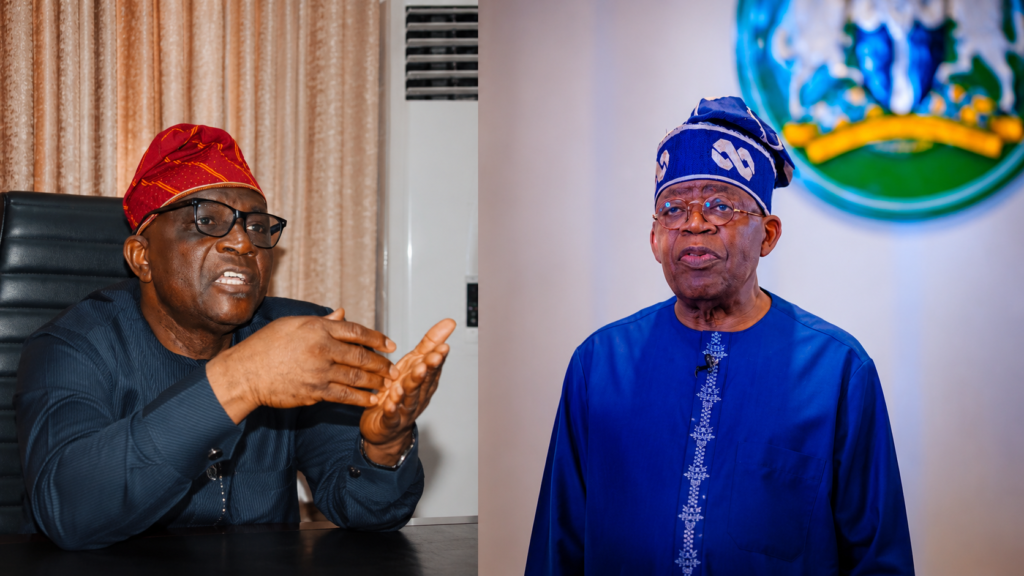
1. Tinubu did say it: The 2022 video exists. He tied re-election to power performance.
2. Onanuga is technically correct: The “unless I have good reasons” line is in the original statement. It wasn’t a blank cheque.
3. The sector was broken: ₦3.3trn debt from 2015-2025 meant plants couldn’t buy gas. Paying it in 2026 is like unclogging a pipe.
4. Power infrastructure takes years. Siemens substations, state grids, and meter rollouts started under Tinubu but won’t flip a switch overnight.
Tinubu’s own words in 2026: “There is no industrial growth or economic development without power. I believe that power is the most significant discovery of humanity in the last 1,000 years”
2027 is Tinubu’s re-election year. The 2022 quote is now his own benchmark.
The ₦3.3trn payment + Siemens substations + state power laws will push MW output up by 2026/2027. If lights improve, Onanuga will say “good reasons” bought time for real reform.
If 2027 arrives with 6k MW and NEPA bills still estimating, voters will treat “unless I have good reasons” as an excuse. The 2022 video will become a campaign weapon.
Onanuga isn’t denying Tinubu spoke on power. He’s reframing it from “unconditional vow” to “conditional promise amid inherited crisis.” Whether Nigerians accept that reframe depends on one thing: if their bulb stays on longer in 2026 than it did in 2023.