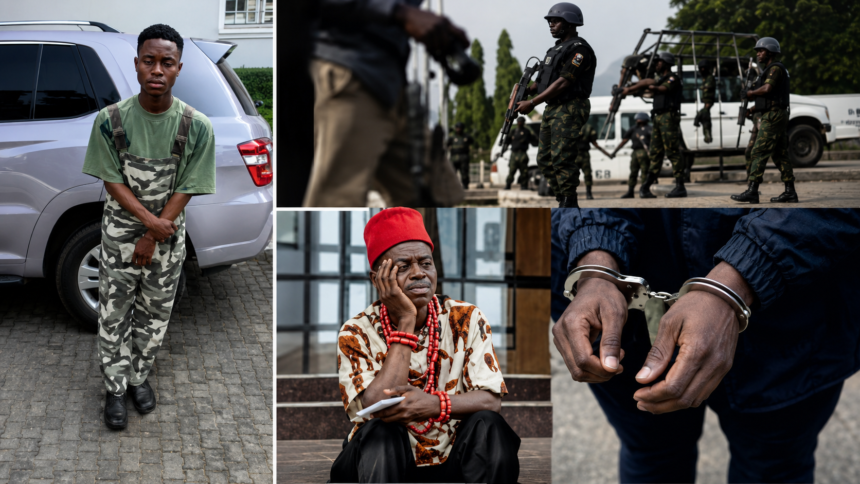
Popular TikTok streamer Habeeb Hamzat, better known as Peller, found himself at the center of a national conversation last week after the Lagos State Police Command detained him over a viral road incident that authorities say endangered lives and violated traffic laws.
What began as another livestream quickly escalated into an arrest, a public apology, and fresh debate about influencer responsibility, mental health, and road safety enforcement in Nigeria.
The Incident That Sparked Outrage
According to the Lagos State Police Command, the incident occurred on Sunday, December 14, 2025, along the Lekki–Epe Expressway. A video that circulated widely showed the 20-year-old driving dangerously while livestreaming, an act that ended in a car crash involving his newly acquired Mercedes-Benz.
Police spokesperson SP Abimbola Adebisi said the act “endangered his life and that of other road users” and described it as “a deliberate attempt to commit suicide”. The command confirmed that Peller was arrested and detained for further investigation, with the case later transferred to the State Criminal Investigation Department for a thorough probe.
The Federal Road Safety Corps also weighed in, stating that the incident highlighted the dangers of distracted and reckless driving, particularly involving content creation. The Corps Marshal directed that prosecution should begin for offences including reckless driving, use of a phone while driving, and distracted driving.
Emotional Livestream and Relationship Fallout
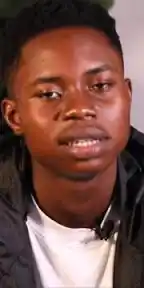
Peller’s popularity soared in 2024 after viral livestreams and public banter with fellow TikToker Amadou Aminata, popularly known as Jarvis. The pair even announced an engagement in December 2024.
Police reports and Peller’s own statements linked the crash to emotional distress following a reported breakup. In a video shared from detention, Peller said he was “overwhelmed by emotions” and pleaded for forgiveness. “I am sorry for everything I do. I allowed my emotions to get the better of me; that’s why I behave that way,” he said. He also asked Nigerians to stop bullying Jarvis, insisting “it does not concern her; it’s on me”.
Jarvis later confirmed that their relationship had ended “for now” and visited Peller’s mother to discuss his well-being.
Police Warning to Influencers and the Public
Commissioner of Police, CP Olohundare Jimoh, used the case to issue a strong caution to social media influencers and content creators. The command warned against using online platforms to “promote or engage in reckless, dangerous or unlawful acts”, stressing that such conduct poses serious risks to public peace and safety.
“The full weight of the law will be applied to anyone found culpable,” the statement added. Police also urged all road users to comply strictly with traffic regulations as part of efforts to ensure safety on Lagos roads.
The FRSC echoed the sentiment, warning celebrities and influencers against filming on public roads.
Public Reaction: Sympathy vs Accountability
The arrest triggered split opinions online. Some fans expressed concern for Peller’s mental health and age, with entertainer Tunde Perry reportedly pleading for leniency and calling him a “small boy.” Others argued that fame should not place anyone above the law, especially amid ongoing national campaigns to curb road accidents and unregistered vehicle use.
The case reignited discourse on the pressures young public figures face. Many Nigerians called for stricter enforcement of road safety laws while also urging greater awareness and support for mental health among influencers.
Peller himself, speaking from a hospital bed, promised never to repeat the action: “I am sorry, Nigerians. Please, I will never do that again”.
Authorities say the investigation is ongoing. The police confirmed that Peller will be charged in a court of competent jurisdiction in accordance with the law once the probe concludes. His management also requested privacy as investigations continue.
The incident marks another moment where social media fame collides with legal and public safety responsibilities. For a generation that builds careers on livestreams, Peller’s detention serves as a stark reminder that online content has real-world consequences.
As Lagos intensifies its crackdown on traffic violations and dangerous driving, the question remains whether the lesson will resonate beyond this one viral moment. For now, Peller’s apology and the police warning stand as bookends to a story that began with a livestream and ended in a police cell.