


Nigeria is moving to stitch its cotton, textile and garment industry back to life, and government officials, labour leaders and industry experts say the payoff could be massive: hundreds of thousands of jobs, stronger local manufacturing, and billions of dollars saved on imports.The push comes under the new Nigeria Industrial Policy 2025 and the recent approval of a Cotton, Textile and Garment Development Board by the National Economic Council at its 149th meeting chaired by Vice President Kashim Shettima.
From Glory Days to Collapse, and Back Again
The sector was once a powerhouse. In the 1970s and 1980s, Nigeria had over 180 textile mills in operation, employing about 650,000 workers directly and supporting millions more indirectly, including cotton farmers, traders and tailors nationwide. Decades of policy inconsistency, smuggling, high energy costs and cheap Asian imports shut most of those factories down.
The result: Nigeria now spends about $6 billion annually on textile imports.
Labour is backing the renewed drive. The National Union of Textile Garment and Tailoring Workers of Nigeria, NUTGTWN, described the new board and policy framework as “bold and strategic measures aimed at accelerating Nigeria’s industrialisation drive and revamping the once vibrant but now challenged textile and garment industry”.
Jobs at the Center of the Plan
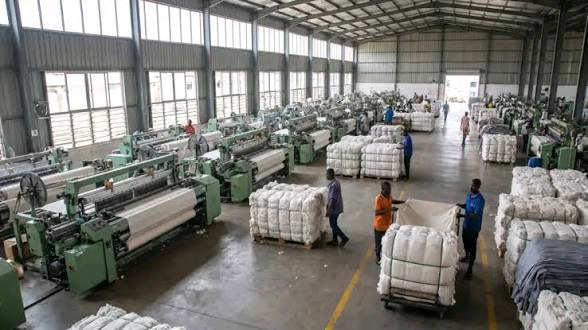
Job creation is the headline promise.The Federal Government’s Phase One of the CTG Industrial Transformation Programme, unveiled in Abuja, is targeting more than 6,000 jobs across cotton farming, aggregation, ginning and logistics.
But that’s just the start. The Permanent Secretary of the Federal Ministry of Industry, Trade and Investment said the CTG sector has the potential to generate more than 1.5 million jobs annually if properly revitalised, with particular opportunities for women and youths.
Other estimates put the figure even higher. Experts say a fully revitalised ecosystem could create more than 1 million jobs in garment manufacturing alone and perhaps 2 million across the wider value chain. The Bank of Industry also notes the potential for job creation not just in factories, but across cotton farming and other value-chain zones.
Cutting the $6 Billion Import Bill

FX stability is the other big win government is chasing. Nigeria’s reliance on imported fabrics and ready-to-wear apparel drains foreign exchange and undermines local producers. The Minister of Industry said reviving the sector is critical to conserve foreign exchange and generate employment. The programme aims to localise up to $4bn in spending on textile imports, while experts note it could also significantly reduce import dependence and expand non-oil exports under the African Continental Free Trade Area.
To make that happen, the government is proposing a Textile Modernisation Fund of about N500bn to be administered by the Bank of Industry. It would provide long-term loans of 7 to 10 years at single-digit interest to help firms buy modern machinery, with a target of modernising 50% of operational textile capacity within five years.
What the Revival Looks Like on the Ground
The plan is already being tested. A six-month pilot produced 10,000 made-in-Nigeria T-shirts using locally sourced cotton, with officials saying the quality, quantity and pricing now compete with foreign-made shirts. The Bank of Agriculture has pledged support for cotton production as the main feedstock, while development partners including the United Nations Industrial Development Organization have committed to stronger collaboration.
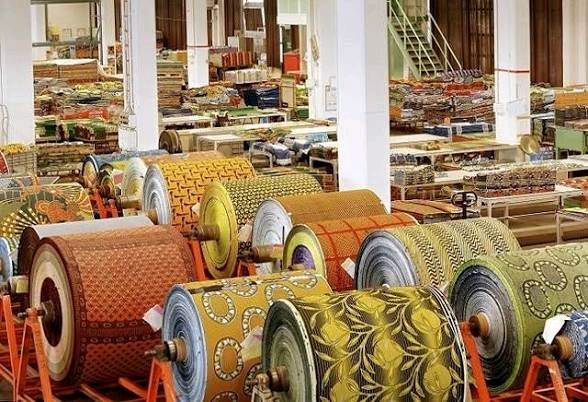
The government also plans to unveil a new strategic policy framework between June and July 2026 to guide investors, and has budgeted funds under the 2026 Appropriation Bill for implementation of the Cotton-Textile and Garment policy.
Senators have gone further, urging a total ban on textile imports to protect local manufacturers and revive cotton production. Senator Adamu Aliero argued that Nigeria “used to be the largest producer of cotton in the world” and that protection is the only way back.
The Hard Work Ahead
Analysts caution that protection alone won’t work. Editorials note that “protection without competitiveness will create scarcity and a strong incentive for smuggling”, pointing to banned products like poultry and okrika that still flood markets.
Industry players say the priorities are clear: reliable electricity, modern machinery, affordable financing, stronger border controls, policy consistency and better cotton seeds and extension services. They also stress infrastructure. Revival will require industrial parks with dedicated power, vocational training centres, digital manufacturing and world-class logistics. The success of the Aba garment cluster in Abia State, with about 100,000 producers, is cited as proof of what local initiative can achieve with the right support.
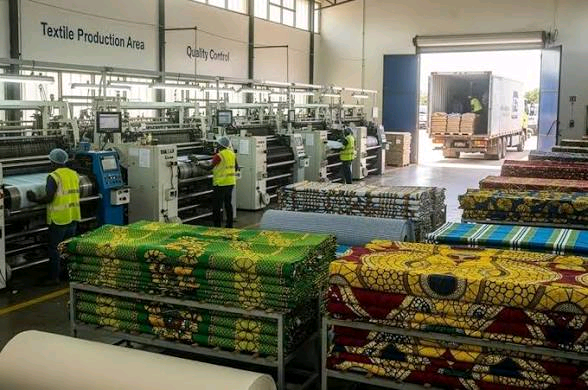
Beyond jobs and FX, the push is framed as industrial sovereignty. Capturing just 10% of Bangladesh’s textile output could mean $4.5 billion in potential export revenues, more than Nigeria’s 2026 defence budget. As the Minister put it, the challenge has not been finance or infrastructure alone, “but coordination across the value chain”.
If Nigeria gets that coordination right, the cotton fields of the North, the garment hubs of Aba and Lagos, and the factories of Kaduna could once again become engines of employment and export earnings, turning fabric into jobs, and jobs into forex stability.