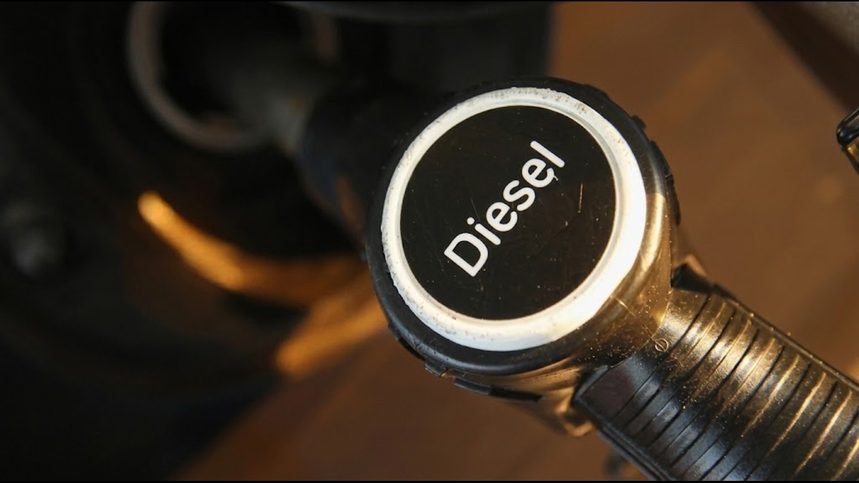
The new prices sit between N2,000 and N2,020 per litre, up from the N1,700 to N1,800 range that drivers and business owners paid just days earlier, according to a market survey by Daily Post.
That gap is not small. Depending on the filling station and location, diesel now costs between N300 and N320 more per litre than it did before Friday’s move. For fleet operators and logistics companies running dozens of vehicles, the cumulative impact of that per-litre difference translates into significantly higher operating costs almost overnight.
Depot owners triggered the latest round of increases, raising their prices to N1,900 per litre. Multiple operators implemented the new pricing, according to Petroleumprice.ng, including Ranoil Delta, Nigerian Independent Petroleum Company, NIPCO Warri, Prudent Oghara, and Zamson. The coordinated nature of the depot-level adjustment left downstream retailers with little room to hold their own prices steady, as their cost base shifted sharply upward.
Before depot owners moved, Dangote Refinery had already raised its gantry diesel price by N100 to N1,850 per litre, with the new rate taking effect from midnight on Friday, September 4, citing crude oil prices that had topped $95 per barrel.
The refinery’s gantry move, according to Legit.ng, marked a 5.7 percent increase and was the second price adjustment in quick succession, following a separate N65 per litre rise in petrol prices announced on August 29. The back-to-back adjustments within days of each other underscored how rapidly the refinery has been passing through global market movements to domestic supply chains.
Brent crude, the global benchmark, had cooled slightly to $94.74 per barrel by the time Daily Post filed its report on Friday, with West Texas Intermediate sitting at $90.34 per barrel.
Diesel prices in Nigeria are fully market-driven, with no subsidy in place, meaning they move in response to crude oil prices, exchange rates, refinery output, and transport costs, according to Travo.ng.
That deregulated structure means every shift in global crude markets passes through quickly to pump prices. Businesses that rely on diesel generators to bridge Nigeria’s persistent electricity gap absorb those changes directly. Manufacturing firms, hospitals, hotels, and small enterprises that depend on self-generated power face an immediate rise in their cost of operations with each upward price movement.
Transport and logistics operators face the same pressure. Diesel powers most trucks, buses, and heavy equipment used to move goods across the country, which means the cost increase will feed into haulage rates and, eventually, food prices.
The Dangote Refinery also revised its coastal PMS price from N1,582,380 to N1,669,545 per metric tonne, a jump of N87,165, according to Legit.ng. Both that change and the earlier petrol price increase covered supply through gantry and coastal channels.
The refinery also instructed customers to return existing Automated Truck Loading tickets for repricing, with new volume contracts required before loading could restart under the updated rates.
Rising global crude oil values sit at the centre of the pricing pressure. Brent crude was trading at $97.29 per barrel as of Thursday afternoon, up 1.74 percent on the day, according to Legit.ng, before easing slightly by Friday.
Nigeria’s diesel price remains below the global average. Comparative data from GlobalPetrolPrices.com puts the world average for the same period at the equivalent of roughly N2,121 per litre, meaning local prices, even at the new N2,020 level, still sit just below that benchmark.
For Nigerians paying the pump price today, the number that matters is N2,020, the highest retail diesel price recorded at Abuja filling stations as of Friday, nearly double what a litre of diesel cost before fuel subsidy removal in 2023. It remains to be seen how the government will react.