

Dino Melaye has raised concerns over alleged irregularities in the Edo voter register, claiming that a polling unit associated with the state governor recorded a dramatic increase in registered voters and that one photograph appeared nine times against different National Identification Numbers (NINs).
The former Kogi West senator made the allegations during an interview on ARISE Television on Monday, November 2, 2026, while discussing the credibility of the Independent National Electoral Commission’s (INEC) voter registration records ahead of the 2027 general elections.
His claims come amid growing concerns over suspected artificial intelligence-generated photographs, duplicated images and questionable voter profiles discovered in INEC’s preliminary Register of Voters.
AI-Generated Photos Raise Concerns Over INEC Register
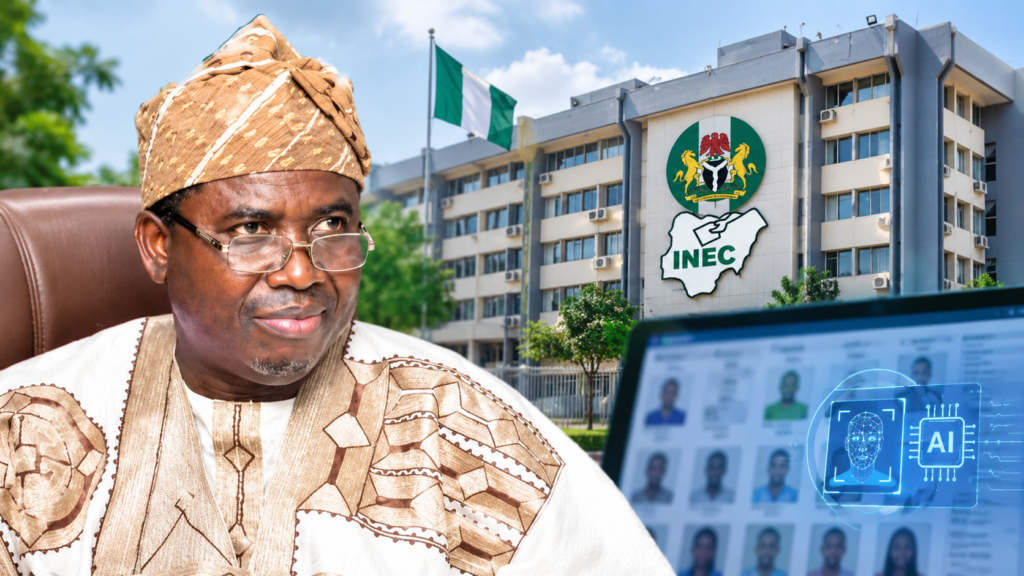
The controversy surrounding AI-generated photographs in the voter register has attracted public attention since INEC published its preliminary register online on October 26, 2026.
The commission faced scrutiny after screenshots circulated on social media showing suspicious photographs attached to voter records, including entries from parts of Edo State.
INEC’s Director of Information and Communication Technology, Lawrence Bayode, subsequently disclosed that the commission’s Automated Biometric Identification System (ABIS) had flagged 268 records for further examination over suspected AI-generated photographs and other irregularities.
Speaking on Channels Television’s Sunday Politics, Bayode said the commission had commenced the process of cleaning up the affected records.
He explained that some registration officers allegedly used their official access to introduce questionable records into the database.
However, he clarified that not every photograph enhanced using artificial intelligence would be removed, distinguishing between genuine photographs improved with AI applications and images generated entirely through artificial intelligence.
INEC also maintained that the preliminary register was not the final certified document and that its ongoing verification process would address confirmed irregularities before certification.
Dino Melaye Questions Edo Voter Register Figures
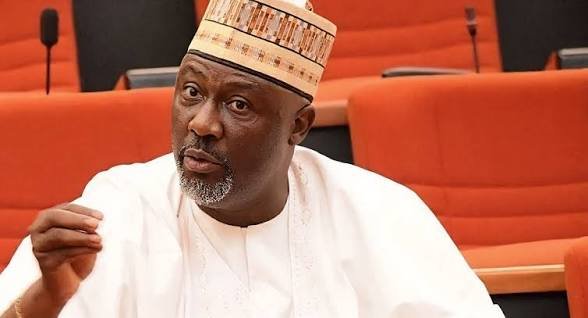
Against this background, Melaye questioned the reported increase in registered voters at the polling unit of the Edo State governor, arguing that the figures required closer examination.
According to him, the polling unit had slightly more than 400 registered voters during the election that brought the governor into office two years ago. However, he claimed that the newly published INEC register showed more than 4,000 voters at the same location.
He said, “The polling unit of the governor of Edo State had 400-plus voters in the election that put him as governor 2 years ago; in the new INEC register, that same polling unit has 4,000-plus voters; that is an increase of over 1,000%, and there is nothing happening in Edo State.“
The allegation raises questions about the changes in voter registration figures at the location. However, the figures cited by Melaye have not been independently established through a published comparison of the relevant polling-unit records.
One Photograph Repeated Nine Times With Different NINs

Melaye also alleged that a review of photographs belonging to registered voters in the affected ward revealed instances of duplicated images associated with different identification numbers.
Explaining how his team examined the photographs, he said there was a specialised application capable of identifying repeated images in a collection of photographs.
“Then meanwhile, we went through the photographs of all the people in that particular ward. And there’s an app. ChatGPT can do it, but there’s a special app,” he said.
He claimed the examination identified one photograph that appeared repeatedly despite being attached to different NINs.
“By the time you feed those photographs through that process, we find out that there’s repetition of photographs. We have one particular photograph that was repeated nine times, but with different NIN numbers,” Melaye alleged.
The claim introduces another dimension to the concerns surrounding INEC’s database, as duplicated photographs attached to different identities could raise questions about the accuracy of the registration records.
However, the specific photograph, the nine records and the identification numbers involved have not been independently examined in the available public material.
Melaye Claims 89% AI Imputation in Integrity Test
Beyond the alleged duplication, the former lawmaker questioned the integrity of the registration records, claiming that the examination conducted by his team produced a high rate of suspected artificial intelligence involvement.
“At the end of the day, the team failed integrity tests. There’s AI imputation by 89%,” he added.
Melaye’s statement comes amid public concerns over photographs suspected to have been generated or manipulated using artificial intelligence in INEC’s preliminary Register of Voters.
The 89% figure, however, remains his team’s claimed assessment. He did not provide a detailed explanation of the methodology or the sample size behind the calculation in the available interview excerpts.
INEC Begins Review of Questionable Voter Records
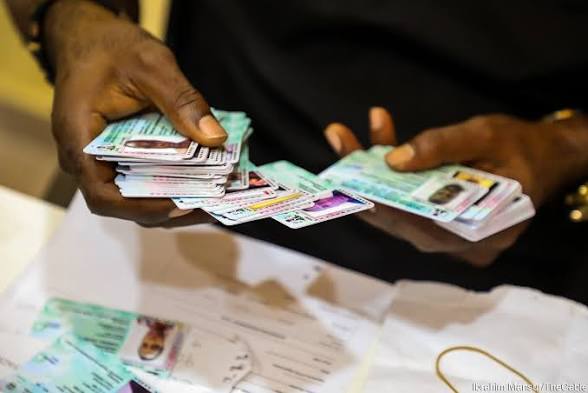
The allegations come as INEC faces scrutiny over the preliminary voters‘ register released ahead of the 2027 general elections.
The commission had earlier conducted a physical display of the preliminary register at registration areas nationwide between October 9 and 15, 2026, allowing registered voters to inspect their details and submit claims, objections and requests for corrections.
INEC subsequently made the same preliminary register available online on October 26 to improve public access and encourage further scrutiny.
In its official update, the commission said it was continuing to process claims and objections arising from the exercise ahead of the certification and publication of the final register.
The commission also published a clarification addressing concerns over alleged AI-generated photographs in the preliminary register.
INEC’s ICT Director, Lawrence Bayode, separately disclosed that the commission’s Automated Biometric Identification System (ABIS) had flagged 268 records for further examination over suspected AI-generated photographs and other irregularities.
The commission’s position is that questionable records must undergo verification before final decisions are made. It has also distinguished between photographs generated entirely by AI and genuine photographs enhanced through artificial intelligence features on mobile phones.
Final Voter Register Expected December 15
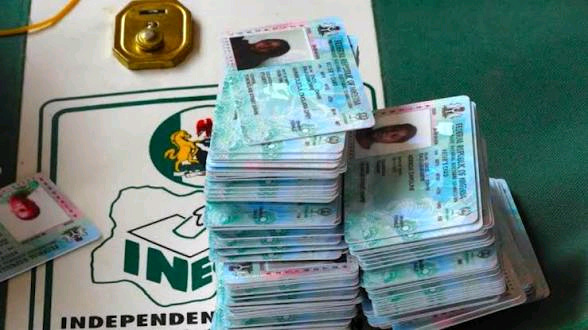
The controversy comes at a significant stage in preparations for the 2027 elections, as the accuracy of the voters’ register remains central to public confidence in the electoral process.
INEC has scheduled December 15, 2026, for the certification and publication of the final register after completing the necessary verification, claims and objections processes.
For now, Melaye’s allegations concerning the Edo polling unit, repeated photographs and the claimed 89% AI imputation rate raise questions that require documentary examination.
Whether the specific irregularities he described will be established through INEC’s ongoing review remains to be seen. The commission’s final register and any subsequent findings will be important in determining whether the concerns raised are reflected in verified registration records.