



Kylian Mbappé has apologised to China after comments about a meme depicting him as former Chinese leader Mao Zedong sparked widespread backlash, costing the Real Madrid forward three Chinese sponsorship partnerships.
The Mbappé-China controversy escalated on October 27, 2026, after a video circulated online showing the French footballer apparently joking about the image. Chinese companies subsequently ended their partnerships with him, China’s Foreign Ministry commented on the incident, and La Liga apologised to Chinese fans.
How the Mbappé-China Controversy Started
The controversy began when a video showing Mbappé discussing internet memes featuring himself circulated online.
In the clip, the French football star appeared to describe the funniest meme he had seen as one in which his face had been digitally placed over that of a man he believed was a Chinese dictator.
He reportedly said: “Some guy — I think he’s a Chinese dictator.”
The remark appeared to refer to an image depicting Mbappé as Mao Zedong, the founding leader of the People’s Republic of China.
The meme was part of a wider internet trend in which Mbappé’s face was superimposed on images of political and military leaders. The jokes portrayed the footballer as an excessively powerful figure who wanted to control everything around him, including the teams he played for.
The controversy intensified because Mbappé appeared to find the Mao-related meme amusing.
Although he did not explicitly name Mao Zedong in the reported remark, the image provided the apparent reference.
The video was shared online before attracting widespread attention, including among Chinese football fans. Its circulation quickly turned what appeared to be a discussion about internet humour into an international controversy.
Why the Mao Zedong Reference Caused Offence
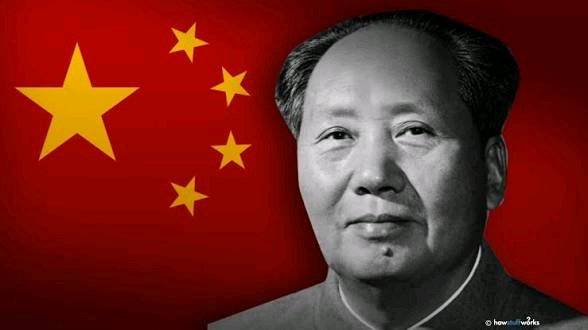
Mao Zedong remains a significant and politically sensitive figure in China.
He led the Chinese Communist Party to victory in 1949 and became the founding leader of the People’s Republic of China. His legacy remains closely connected to the country’s modern history and national identity, although his rule also included policies associated with immense suffering and loss of life.
For many Chinese people, therefore, references to Mao carry historical and political significance beyond ordinary internet humour.
The backlash centred on the perceived disrespect in Mbappé’s apparent reaction to the meme and his description of its subject as a Chinese dictator.
The incident also raised questions about how international celebrities approach cultural and historical subjects when their comments reach audiences across different countries.
There is no confirmed evidence that Mbappé intended to insult Chinese people. Nevertheless, the reaction demonstrated that the joke had consequences beyond the original conversation.
Chinese Brands End Sponsorship Deals With Mbappé
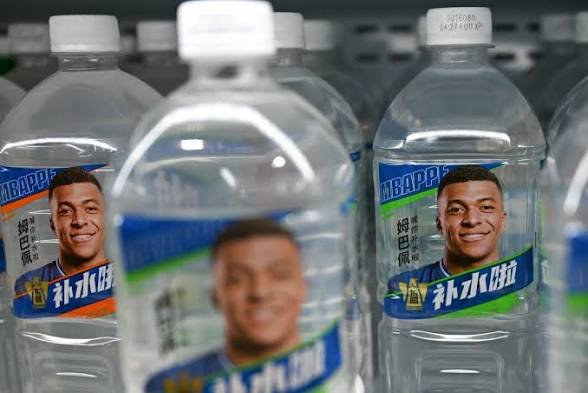
The controversy soon affected Mbappé’s commercial relationships in China.
On October 27, three companies announced that they were ending their partnerships with the footballer: Dongpeng Beverage, dairy producer Mengniu and Milkground.
Dongpeng Beverage announced the immediate termination of its cooperation with Mbappé, saying it opposed behaviour that offended national sentiment.
The company stated that it had “a zero-tolerance policy towards any behaviour that offends national sentiments”.
Mengniu also announced that it was ending its cooperation with the footballer.
In its statement, the dairy company said it had “a zero-tolerance policy towards any words or actions that hurt the feelings of the Chinese people”.
Milkground likewise ended its partnership with Mbappé.
The companies’ decisions followed the video’s circulation and the resulting public reaction. Their announcements made the controversy more than a social media dispute, turning it into a commercial setback for one of football’s most recognisable players.
However, the withdrawal of three Chinese commercial partners demonstrated the immediate consequences of the controversy for his business relationships in the country.
China Responds as Pressure Mounts
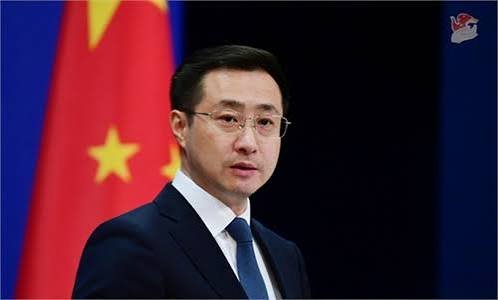
The issue also reached China’s Foreign Ministry.
During a regular press conference on October 27, spokesperson Guo Jiakun was asked about the reports concerning Mbappé and the Chinese brands.
His response was brief but clear.
“We noted relevant reports,” Guo said. “Any rhetoric or action that hurts the feelings of the Chinese people will naturally be rejected across the sectors in China.”
The spokesperson did not announce a specific government punishment against Mbappé. Instead, his statement communicated the Chinese government’s position on comments perceived as offensive to the country’s people.
Meanwhile, the consequences reportedly extended into sports broadcasting.
China’s state television broadcaster suspended broadcasts of Spanish La Liga matches, while advertisements featuring Mbappé were reportedly removed. These developments raised concerns about the potential impact on the Spanish league’s relationship with Chinese broadcasters, commercial partners and football supporters.
The reported broadcasting restrictions were separate from the sponsorship decisions made by Dongpeng, Mengniu and Milkground.
Together, however, the developments increased pressure on Mbappé and the football organisations connected to him.
Mbappé Finally Responds With an Apology
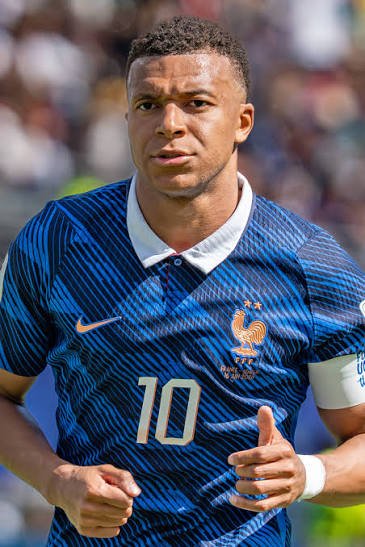
Following the backlash and the termination of sponsorship partnerships, Mbappé addressed the controversy publicly on October 27.
In a statement published in French, Mandarin and English on his social media accounts, the 27-year-old acknowledged that his comment had caused offence.
“During a recent interview, I reacted to an image of myself,” he explained.
He continued: “My comment was ill-judged, and I now understand that it hurt many people in China and in Chinese communities around the world.”
Mbappé also expressed regret over the reaction his words had generated.
“I apologise to everyone my words have upset,” he said. “This was absolutely not my intention. I have deep respect for the Chinese people and their history, and I am sincerely sorry.”
His response acknowledged the impact of his comment without claiming that he had intended to insult Chinese people.
The apology also addressed Chinese communities beyond mainland China, making clear that his message extended to people around the world who had been offended.
However, the statement did not immediately establish whether any of the companies that had terminated their partnerships would reconsider their decisions.
La Liga and Its President Also Apologise
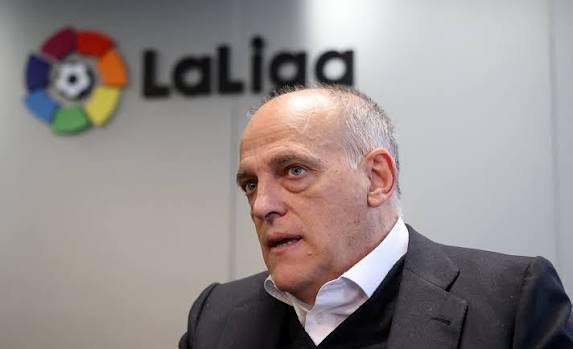
The controversy prompted a separate response from La Liga, the Spanish football league in which Mbappé plays for Real Madrid.
In an official statement dated October 27, the organisation expressed regret over the offence caused to Chinese fans.
La Liga said Mbappé’s comments had been made in a personal capacity and did not represent the league. Nevertheless, it apologised on behalf of the organisation and its clubs.
The league reaffirmed its respect for China, its institutions and its people, while emphasising its commitment to the millions of Chinese supporters who follow Spanish football.
La Liga president Javier Tebas also issued a personal apology.
“I wish to personally apologise to Chinese fans for the offence caused,” Tebas said.
He added that he had “deep respect for China, its institutions and its people” and valued the trust Chinese supporters had placed in Spanish football over the years.
Tebas also accepted responsibility for improving cultural awareness among players and clubs.
“We want to nurture this relationship through action, and we will implement concrete measures to help ensure that situations like this do not happen again,” he said.
La Liga said it would develop an awareness and communication protocol with clubs and players to encourage respect for different cultures and help prevent similar controversies.
The response highlighted the wider implications of the incident. The issue was no longer limited to Mbappé’s personal reputation but also involved the Spanish league’s relationship with its Chinese audience.
What Happens Next?
The immediate consequences of the Mbappé-China controversy are clear: three Chinese companies have ended their partnerships with the footballer, China’s Foreign Ministry has commented on the backlash, and La Liga has apologised to Chinese fans.
Mbappé has also publicly acknowledged that his comment was ill-judged and expressed respect for the Chinese people and their history.
What remains uncertain is whether the apology will help restore the commercial relationships affected by the controversy and whether the reported broadcasting restrictions will continue.
The financial losses associated with the terminated sponsorship agreements have not been confirmed, and there is no established figure for the overall commercial impact.
For now, the incident shows how quickly an apparently casual comment about an internet meme can become an international issue when it touches on a country’s history and national identity.
For Mbappé, the next challenge will be rebuilding trust after a controversy that has extended well beyond football.


