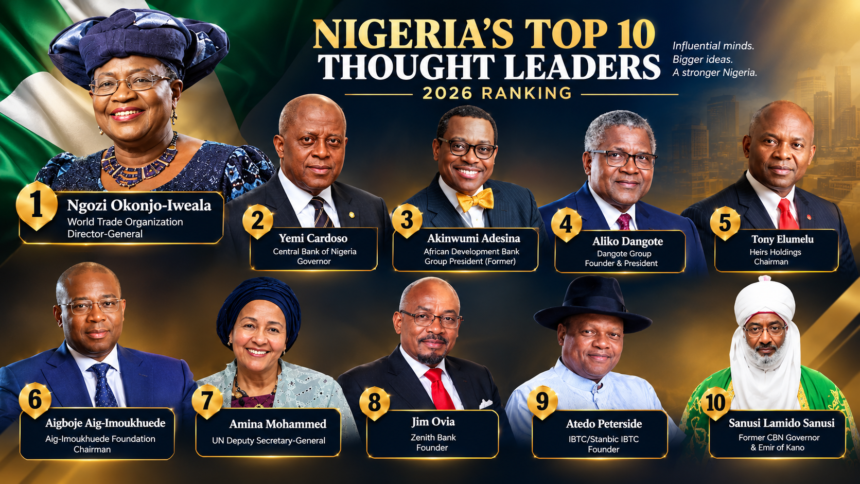
Nigeria’s top 10 thought leaders in 2026 include World Trade Organization Director-General Ngozi Okonjo-Iweala, Central Bank of Nigeria Governor Yemi Cardoso, billionaire businessman Aliko Dangote and seven other prominent figures featured in the GREY Capital Index.
Published by Podhium in October 2026, the index ranks 500 Nigerian leaders across 25 sectors, assessing the depth, originality, reach and economic consequences of their published ideas.
The list brings together economists, business leaders, international development experts and public figures whose work spans financial policy, entrepreneurship, global trade, governance and economic development.
Here are the 10 personalities named in the ranking and what they are known for.
Ngozi Okonjo-Iweala Leads Nigeria’s Thought Leaders
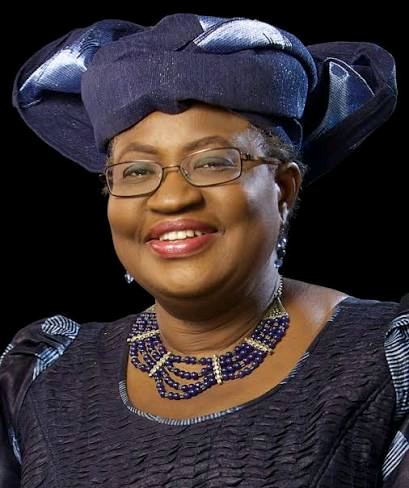
Ngozi Okonjo-Iweala tops the GREY Capital Index with 91.2 points out of 100, placing her ahead of the other 499 individuals assessed.
As Director-General of the World Trade Organization, she became the first woman and the first African to lead the organisation when she assumed office in March 2021. She began her second four-year term in September 2025.
Her career includes two tenures as Nigeria’s finance minister and 25 years at the World Bank, where she rose to managing director of operations. Her work has covered economic reform, international trade, debt management and development finance.
The WTO identifies her as an economist and international development professional with more than four decades of experience across several regions.
Yemi Cardoso and Akinwumi Adesina Follow
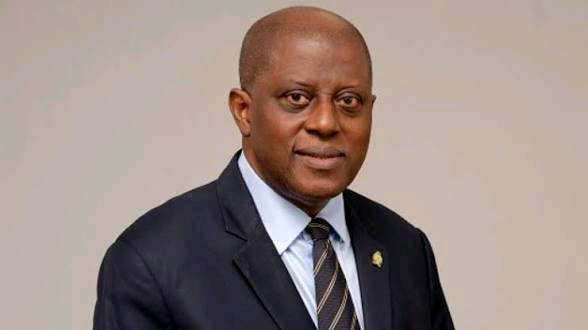
Yemi Cardoso ranks second with 83 points. As governor of the Central Bank of Nigeria since September 2023, he has overseen monetary and financial-sector reforms, including changes to the foreign exchange market and banking-sector recapitalisation.
The CBN says his work has focused on strengthening monetary stability, institutional governance and investor confidence. His position places financial policy at the centre of his contribution to Nigeria’s economic discussions.
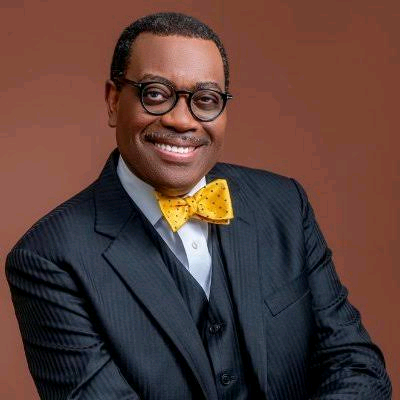
Akinwumi Adesina comes third with 81 points. The development economist served as president of the African Development Bank Group from 2015 to 2025.
His career has focused on agricultural development, investment and economic transformation. The index also identifies him as co-founder and executive chairman of the Global Africa Investment Summit, reflecting his continued involvement in mobilising investment for African development.
Aliko Dangote and Tony Elumelu Represent Business Leadership
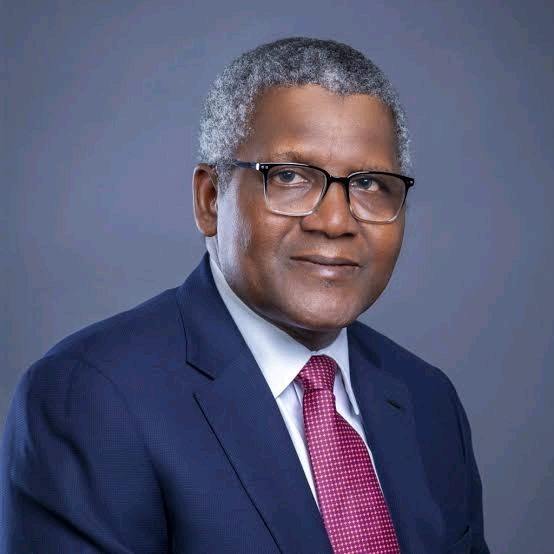
Aliko Dangote ranks fourth with 78.6 points. The founder and president of Dangote Group has built businesses across manufacturing, cement, fertiliser and energy.
The index highlights his emphasis on local production and adding value to African commodities rather than relying heavily on imported finished products. The Dangote Refinery provides a major example of the industrial strategy associated with his business interests.
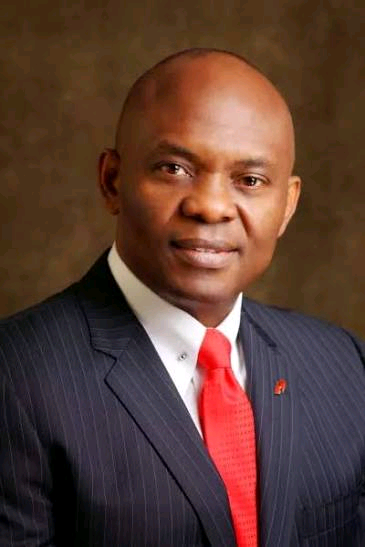
Tony Elumelu occupies fifth position with 77.4 points. Through Heirs Holdings and the Tony Elumelu Foundation, he has promoted private-sector investment and entrepreneurship as tools for African economic development.
His philosophy of Africapitalism argues that African businesses can generate profits while contributing to social and economic progress. The foundation supports entrepreneurs through training, mentorship and seed funding.
Aigboje Aig-Imoukhuede and Amina Mohammed Make the Top Seven
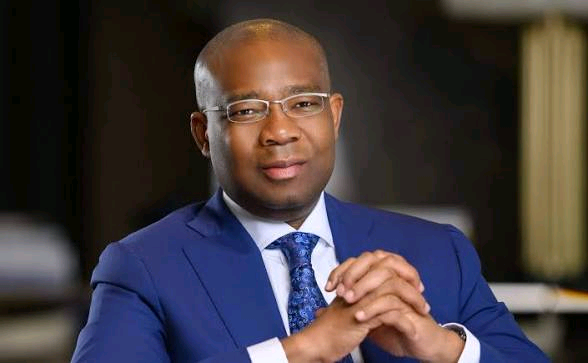
Aigboje Aig-Imoukhuede ranks sixth with 76.8 points. He is associated with banking, investment and institutional development, having previously led Access Bank before moving into other leadership and philanthropic roles.
The index highlights his work through the Aig-Imoukhuede Foundation and the Africa Initiative for Governance, including efforts directed at public-sector leadership and healthcare reform.
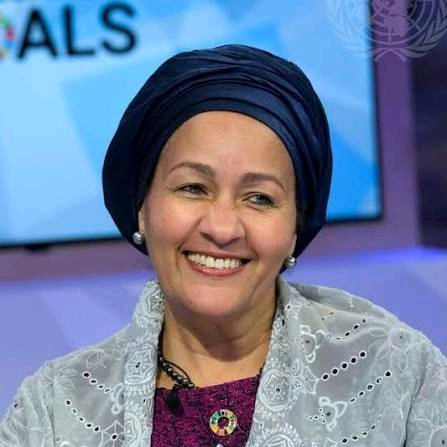
Amina J. Mohammed ranks seventh with 76.1 points. She serves as Deputy Secretary-General of the United Nations and chairs the UN Sustainable Development Group.
Before joining the UN leadership team in 2017, she served as Nigeria’s environment minister and worked on international development planning. The United Nations credits her with playing a significant role in the process that led to the 2030 Agenda for Sustainable Development and the Sustainable Development Goals.
Jim Ovia, Atedo Peterside and Sanusi Lamido Sanusi Complete the List
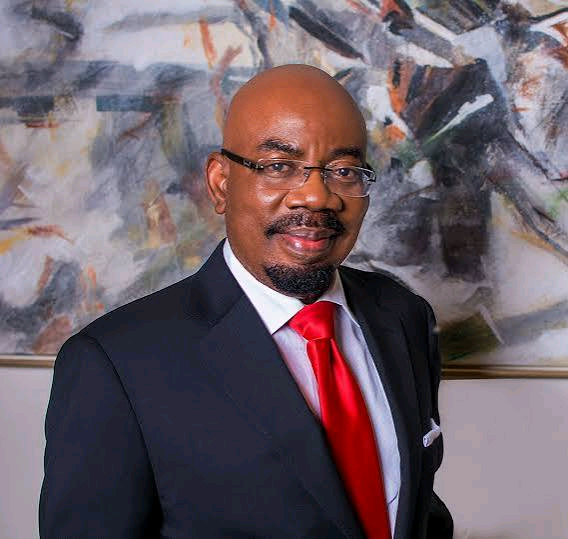
Jim Ovia ranks eighth with 75.8 points. He founded Zenith Bank in 1990 and is also associated with the Jim Ovia Foundation and James Hope University.
His inclusion reflects the index’s emphasis on the relationship between professional expertise, institutional influence and the wider consequences of ideas.
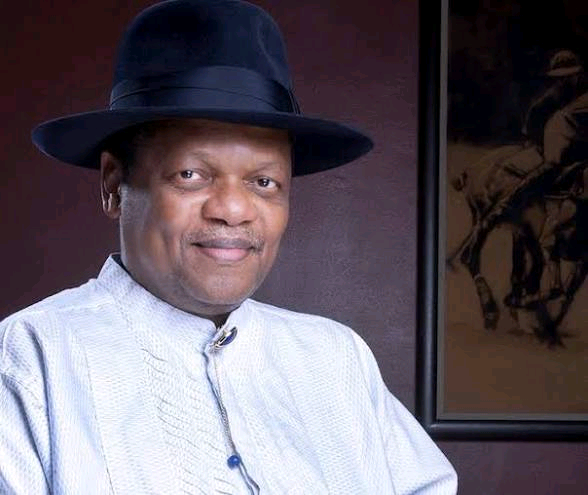
Atedo Peterside comes ninth with 75.5 points. He founded IBTC, which later became part of Stanbic IBTC, and established the Anap Foundation. His work spans finance, civic engagement and public-interest initiatives.
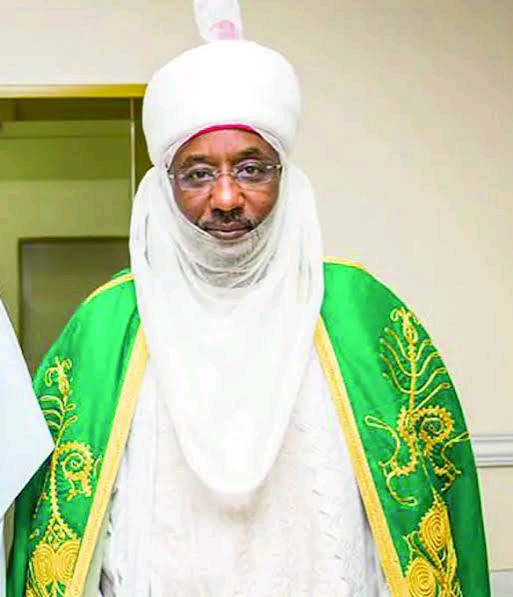
Sanusi Lamido Sanusi completes the top 10 with 75.2 points. The economist and Emir of Kano previously served as governor of the Central Bank of Nigeria from 2009 to 2014, when he became associated with major banking-sector reforms.
The index also identifies him as a public commentator on governance, poverty, Islamic finance and Nigeria’s economic development.
How the GREY Capital Index Selected Its Top 10
According to Podhium’s October 2026 edition, the screening process began with more than 3,000 names. A total of 867 individuals were assessed before 500 were selected for the final ranking.
The index uses four dimensions: Growth, Reputation, Expertise and Yield. Its scoring framework examines the reach and institutional standing of ideas alongside their originality and supporting evidence.
Podhium distinguishes its approach from rankings based on social media popularity, stating that follower counts are not used as a measure of thought leadership.
The 10 individuals at the top each scored at least 75 points, placing them in the index’s highest category, known as Apex Architect.
Together, they represent two per cent of the 500 ranked leaders.
The ranking is Podhium’s assessment of thought leadership, rather than a universal measure of intelligence or influence. Its findings offer one framework for examining the people whose work and ideas feature prominently in Nigeria’s economic, professional and public life.