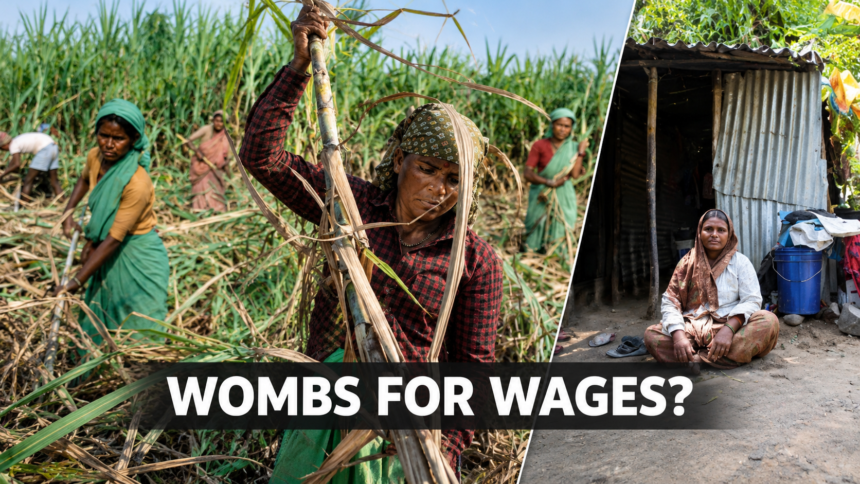
India sugarcane workers are facing a disturbing reproductive health crisis, with some women undergoing hysterectomies to avoid losing income during the demanding harvest season. In Maharashtra’s Beed district, poverty, long working hours and financial penalties for missed work have contributed to a situation in which women feel compelled to choose between their health and their livelihoods.
The issue has drawn renewed attention to the conditions faced by migrant agricultural workers, with research documenting the consequences of economic pressure on women’s reproductive health.
Why Sugarcane Workers Are Removing Their Wombs
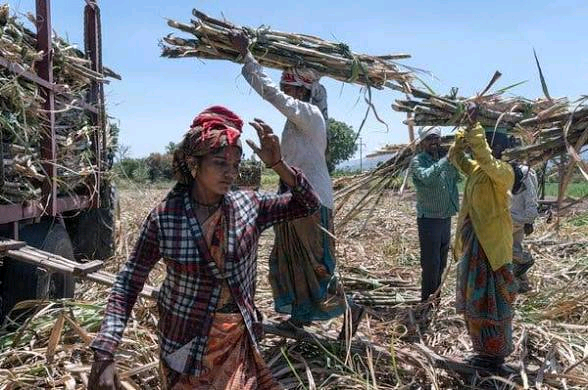
The procedure at the centre of the controversy is called a hysterectomy, a major operation that involves removing the uterus. Although medically necessary in certain circumstances, it has become a source of concern among women’s rights advocates because some sugarcane workers have undergone the surgery to avoid menstruation-related difficulties interfering with their work.
Women from Beed, in Maharashtra, travel to other parts of India during the sugarcane harvesting season to earn money. They often work alongside their husbands under informal arrangements organised by labour contractors.
According to the International Institute for Environment and Development (IIED), these workers can spend 12 to 16 hours a day cutting, tying and stacking sugarcane during a harvest season lasting approximately six months.
The work is physically demanding, while living conditions in temporary camps can lack adequate toilets, clean water and facilities for menstrual hygiene.
For women experiencing painful periods, continuing to work under these conditions can be particularly difficult. However, missing a shift may result in wage deductions or other financial penalties, leaving some workers feeling they cannot afford to rest.
How Much Do Sugarcane Workers Earn?
The financial circumstances surrounding the surgeries are central to understanding the crisis.
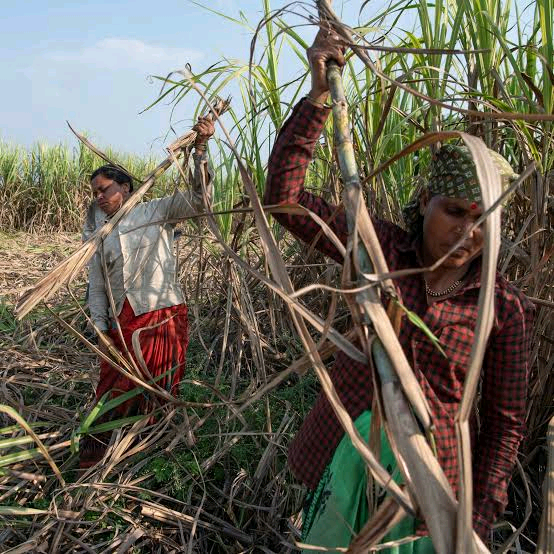
A recent investigation into the working conditions reported that sugarcane cutters across India can earn as little as ₹400, approximately £3, per day. The amount is an estimated daily earning, not a payment offered specifically in exchange for removing the uterus.
Workers commonly operate in pairs, often married couples, and their earnings depend on the amount of sugarcane they harvest. Labour contractors, known locally as mukkadams, arrange employment and may provide advances that workers must repay.
This arrangement can leave families struggling to meet their financial obligations while facing pressure to maintain their productivity.
Women who miss work because of menstrual pain or illness risk losing income. In some reported cases, workers have also faced fines for absences.
The resulting pressure can make a major operation appear to be a way to continue earning money, even when it carries serious health consequences.
Research Reveals the Scale of the Crisis
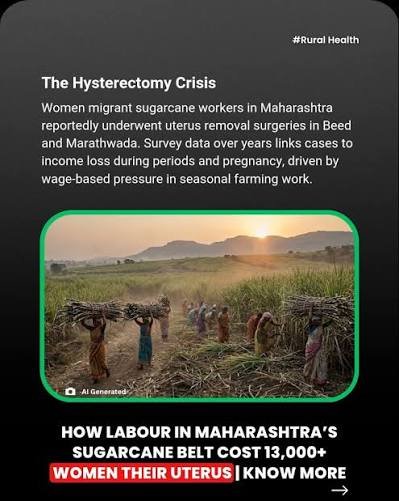
The scale of the problem became particularly clear in a Maharashtra government committee’s 2019 survey.
The survey examined 82,309 women who had migrated from Beed district for sugarcane harvesting. Of these, 13,861 had undergone hysterectomies.
The findings raised questions about why so many women in a single district had undergone the procedure and whether some surgeries could have been avoided.
Research published by IIED in March 2024 also examined the relationship between migration, drought and women’s reproductive health.
Researchers surveyed 423 households across two areas of Beed. Among women from households that migrated for work, 55.73% had undergone hysterectomies, compared with 17.06% among women from households that did not migrate.
These figures describe the households surveyed; they should not be interpreted as prevalence rates for every woman in Beed or across India.
The research also linked increasing pressure to migrate with worsening drought conditions, which have damaged local livelihoods and pushed families to seek agricultural work elsewhere.
What Women Say About the Decision
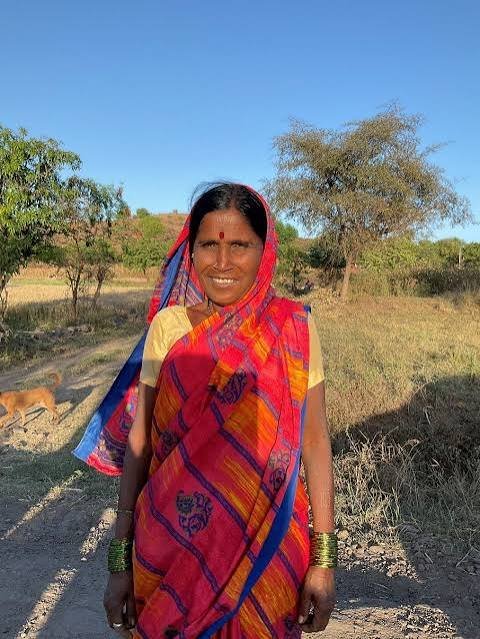
The experiences documented by researchers illustrate the difficult choices some workers face.
Jayashree Owhal, a 45-year-old sugarcane cutter from Beed district, explained her decision to researchers in an account published by IIED.
“My [menstrual] cramping became unbearable after a point,” she said, describing how a doctor advised her to stop lifting heavy bundles, even though the work was her family’s source of income.
She added: “So I decided to get the hysterectomy done and get rid of this every month ‘pain and stain’.”
Her account highlights how financial dependence on physically demanding work can influence medical decisions.
However, not every hysterectomy among sugarcane workers is unnecessary, and the available evidence does not establish that every woman was forced to undergo surgery. The concern is that economic pressure and inadequate access to appropriate healthcare may influence some decisions.
What the Indian Government Has Done
The Indian government addressed the issue in a written response to the Rajya Sabha on July 30, 2025.
Minister of State for Women and Child Development Savitri Thakur said Maharashtra had introduced monitoring requirements for hysterectomies among female sugarcane workers in Beed district.
According to the government’s response, surgeries require prior approval from the district civil surgeon and the relevant medical superintendent, alongside a detailed gynaecological examination and clinical justification.
The government reported that 211 hysterectomies were performed in Beed district between 2022 and March 2025 with medical indications and prior approval.
It also said 50,158 female migrant sugarcane workers benefited from health check-ups conducted between March and May 2025. These examinations covered conditions including anaemia, reproductive tract infections, menstrual disorders and cervical cancer.
The government further reported that health-awareness campaigns and village-level women’s health task forces had been established.
Despite these measures, the broader challenge remains: women need working conditions that allow them to seek medical care and manage menstruation without risking their livelihoods.
The controversy is ultimately about more than sugarcane production. It raises serious questions about labour protections, access to healthcare and the economic pressures that can lead women to make life-changing medical decisions.