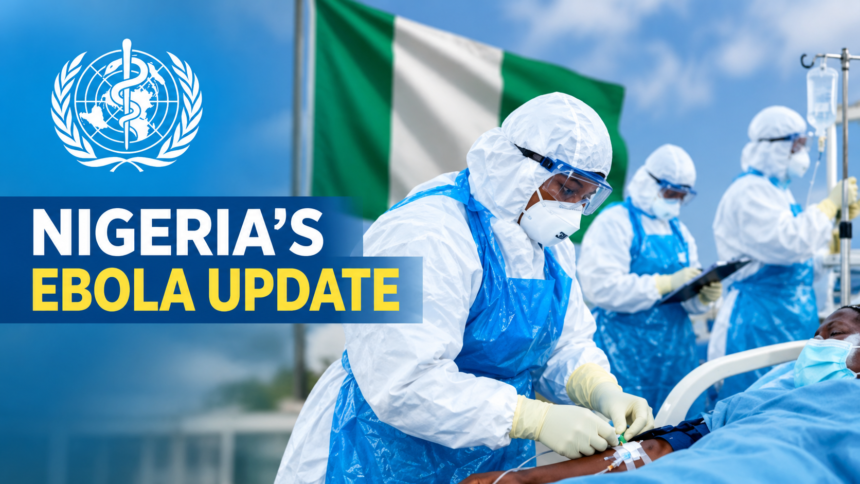
Nigeria has no Ebola cases currently in the country, WHO says after the confirmed patient was evacuated to Switzerland, while contact tracing continues.
The World Health Organization (WHO) says Nigeria currently has no Ebola cases after the country’s first confirmed patient in the latest outbreak was evacuated to Switzerland for further treatment. However, public health authorities are continuing to monitor people who may have been exposed to the virus.
The announcement came on Monday, October 26, after the evacuation of a 42-year-old Swiss woman who tested positive for the Bundibugyo strain of Ebola virus disease in Abuja. Her husband, also a Swiss citizen, accompanied her to Switzerland, where authorities will take responsibility for his follow-up.
The development marks a significant change in Nigeria’s immediate Ebola response, although the country’s public health surveillance and contact-tracing operations remain active.
WHO Explains Why Nigeria Has No Ebola Cases
Mohamed Janabi, WHO Regional Director for Africa, announced the development in a post on his official X account on Monday.
He explained that the patient had been stabilised by Nigerian medical personnel before her evacuation and that Switzerland would assume responsibility for her continued treatment.
“The patient is clinically stable. The Nigerian medical team successfully managed her through the acute phase of the illness and stabilized her condition,” Janabi said.
He added that the evacuation meant Nigeria currently had no Ebola cases within its borders.
“With the evacuation of the patient and her husband, Nigeria currently has no Ebola cases,” he stated.
However, Janabi stressed that the development should not lead to complacency, as public health officials still need to identify and monitor people who may have come into contact with the patient.
He said Nigeria would continue following up on 52 contacts, while Switzerland would take responsibility for monitoring the woman’s husband, who was identified as contact number 53.
The distinction is important: WHO’s statement concerns the current location of the confirmed patient, not a claim that Nigeria never recorded an Ebola infection during the latest outbreak.
How Nigeria Recorded Its First Case
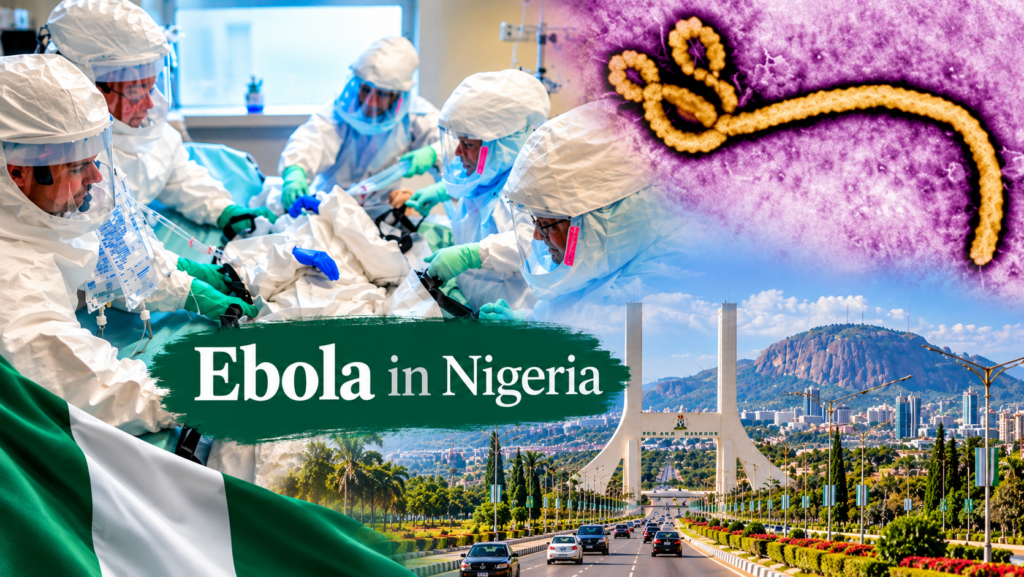
Nigeria confirmed its first case of Ebola Bundibugyo virus disease on October 20, 2026, after laboratory testing identified the infection in the woman, who had recently travelled from Uganda.
According to WHO’s October 20 announcement, the woman arrived in Nigeria on October 3 and developed symptoms on October 7. She sought medical attention at a private health facility in Abuja on October 11.
The diagnosis was confirmed nine days later, prompting public health authorities to intensify investigations, isolate the patient and begin contact tracing.
The case was classified as imported because the patient had travelled to Nigeria from another country before her diagnosis. However, investigations into the likely source of her infection and her full travel and exposure history were still ongoing in WHO’s initial announcement.
The Nigerian government subsequently activated its national response arrangements through the Nigeria Centre for Disease Control and Prevention (NCDC), working with the Federal Ministry of Health and Social Welfare and other relevant authorities.
The response included identifying potentially exposed people, strengthening infection-prevention measures at the health facility and monitoring contacts.
NCDC’s Latest Update on Ebola in Nigeria
Before the evacuation, the NCDC’s October 25 update confirmed that Nigeria had recorded one case of Ebola disease caused by the Bundibugyo virus.
The agency said the patient was receiving medical care under isolation, with clinical teams monitoring her condition and infection-prevention measures in place.
Its Director-General, Jide Idris, explained that the response involved contact tracing, surveillance, laboratory testing, clinical care and measures to protect healthcare workers.
The agency also said identified contacts would be assessed and monitored for 21 days after their last possible exposure.
The number of people being followed up may change as investigations progress and additional contacts are identified.
The evacuation announced on October 26 therefore represents a change in the patient’s location and the responsibility for her continued treatment. It does not cancel the need to complete the public health follow-up associated with the confirmed infection.
What the WHO Announcement Means for Nigerians
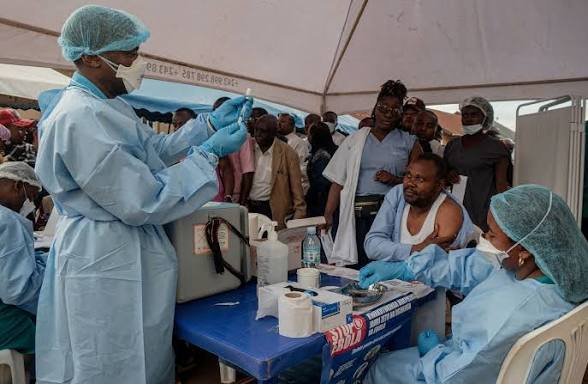
The absence of a confirmed Ebola patient currently in Nigeria is encouraging, but it does not mean that authorities can immediately end surveillance.
Contact tracing helps public health teams determine whether anyone exposed to an infected person develops symptoms. Monitoring also allows officials to identify possible infections quickly and take appropriate measures to prevent further transmission.
WHO has emphasised the importance of early detection, effective infection prevention and control, laboratory testing and continued preparedness as the wider regional outbreak evolves.
The Bundibugyo virus outbreak has also affected other countries, including the Democratic Republic of the Congo and Kenya. Nigeria’s imported case formed part of this wider regional public health situation.
For Nigerians, the immediate message is to remain calm, follow official public health guidance and avoid circulating claims that have not been confirmed by the relevant authorities.
Anyone contacted by public health officials as part of the investigation should cooperate with their instructions. Being identified as a contact does not automatically mean that a person has Ebola.
Nigeria’s public health authorities will need to maintain their response until the necessary monitoring and investigations have been completed.
Nigeria’s Ebola Response Is Not Over
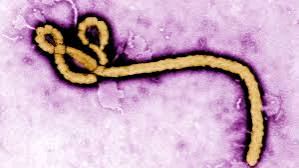
WHO’s announcement offers reassurance about the immediate situation in Nigeria, but it should not be interpreted as the end of the country’s Ebola response.
The confirmed patient has been evacuated to Switzerland, and responsibility for her continued management has shifted there. Nigerian authorities, meanwhile, are expected to continue following up on the 52 contacts remaining under their supervision.
The development also highlights the importance of coordination between countries when infectious diseases cross international borders.
For now, the central message is clear: WHO says Nigeria currently has no Ebola cases in the country following the patient’s evacuation, but contact tracing and public health vigilance must continue.