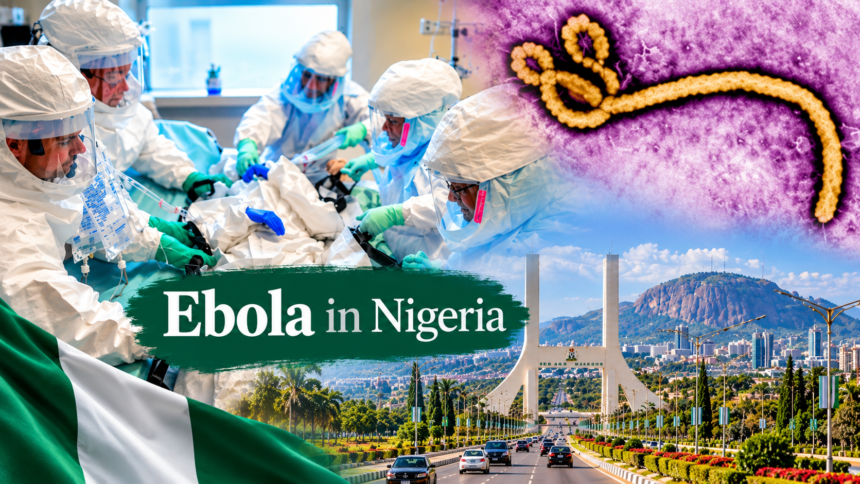
Nigeria’s Ebola case in Abuja has prompted an urgent public health response after the Federal Government confirmed an imported infection of the Bundibugyo virus disease on October 20, 2026. Authorities have identified 44 contacts for monitoring, intensified surveillance and strengthened infection prevention measures at the private hospital where the patient received care.
The development marks Nigeria’s first confirmed case linked to the ongoing Bundibugyo Ebola outbreak that began in the Democratic Republic of the Congo (DRC). The government and health authorities are now working to contain the infection and determine whether anyone else may have been exposed.
Nigeria Confirms Ebola Case in the FCT
The Federal Ministry of Health and Social Welfare announced the confirmation in a statement dated October 20, following laboratory testing.
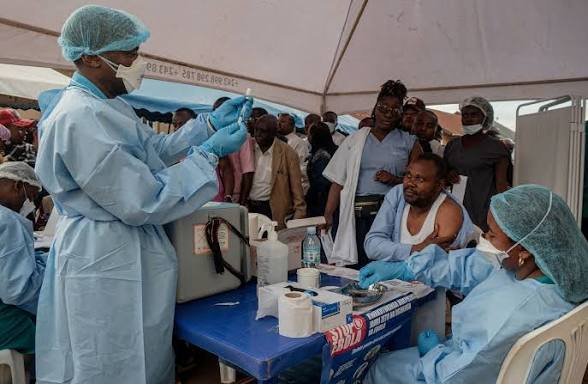
According to the ministry, the patient is a woman who recently arrived in Nigeria on an international flight from Uganda. She was admitted to a private hospital in the Federal Capital Territory, where she received medical attention for several days before the diagnosis was confirmed.
The woman is currently in isolation and receiving medical care.
The World Health Organization (WHO) also confirmed the development in a statement published on October 20, identifying the infection as Ebola Bundibugyo virus disease.
The confirmation places Nigeria among the countries that have detected the virus since the outbreak was declared in the DRC on May 15, 2026.
However, authorities have not yet established the precise location or circumstances in which the woman contracted the infection. Investigations are ongoing to reconstruct her travel and exposure history.
Her recent travel through Uganda is an important part of the investigation, but it does not, by itself, establish where the infection occurred.
Ebola Contact Tracing Begins as 44 People Are Monitored
One of the immediate priorities for health officials is determining who may have come into contact with the infected woman before she was isolated.
The Federal Ministry of Health and Social Welfare reported that 44 close contacts had been identified as of October 20. Public health teams are monitoring these individuals and working to identify additional people who may have been exposed.
The contacts include people whose circumstances may have placed them at risk, such as healthcare workers, patients, caregivers and travel contacts.
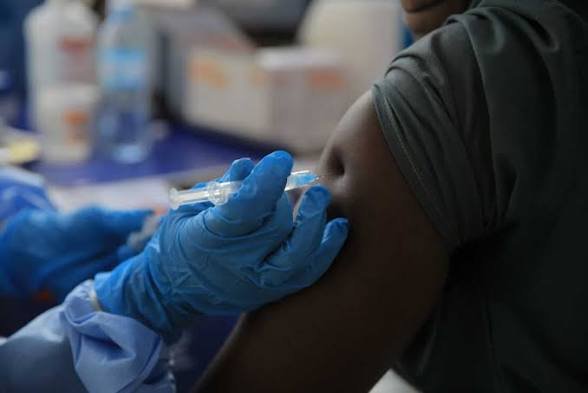
Contact tracing is a central part of controlling Ebola outbreaks. It enables health authorities to identify people who may have been exposed, monitor their health and arrange prompt assessment if symptoms develop.
The number of contacts identified so far does not mean that all 44 people are infected. They are being monitored because of possible exposure, and their status must be established through the appropriate public health procedures.
The government has also intensified surveillance and begun strengthening infection prevention and control measures at the hospital where the patient was treated.
The NCDC has activated its incident management system to coordinate the response, while WHO and other partners are supporting investigations, contact tracing, infection control and the provision of essential supplies, including protective equipment for healthcare workers.
What Is Bundibugyo Ebola Virus Disease?
Bundibugyo Ebola virus disease is a serious illness caused by the Bundibugyo virus, one of the viruses known to cause Ebola disease.
Although Ebola is often associated with severe illness and a high risk of death, the disease does not spread simply because an infected person is in the same general area as someone else.
According to the NCDC’s public health advisory issued on May 28, Ebola is not airborne. Transmission occurs through direct contact with the blood or other body fluids of an infected person who is symptomatic or has died, contaminated materials, or infected animals.
Symptoms can include fever, fatigue, headache, muscle pain, sore throat, vomiting, diarrhoea and abdominal pain. Some patients may also develop a rash or unexplained bleeding.
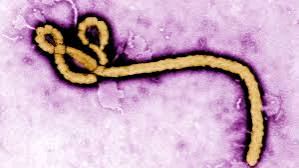
The incubation period can range from two to 21 days. This means symptoms may take time to appear after exposure, making contact monitoring and a detailed travel and exposure history important parts of the response.
Early symptoms can resemble other illnesses, including malaria and Lassa fever. For that reason, people should not attempt to diagnose Ebola based on symptoms alone. Medical professionals need to assess the symptoms alongside a person’s exposure history and conduct the necessary tests.
The NCDC has stressed the importance of early detection, prompt isolation, infection prevention and control, contact tracing and effective surveillance.
Why the Ebola Case Is a Concern for Nigeria
Nigeria’s confirmation comes amid a wider regional outbreak that has challenged health authorities in parts of Central and East Africa.
The outbreak was declared in the Democratic Republic of the Congo in May 2026 and has been associated with infections reported in other countries.
In a preparedness advisory published on May 28, the NCDC assessed Nigeria’s risk of importing the disease as high. It cited international travel, population movement, major airports and seaports, land borders and trade routes as factors requiring close attention.
The agency also identified the Federal Capital Territory and Lagos, alongside several other states, among the areas requiring heightened preparedness because of travel and trade connections.
That earlier assessment highlights why Nigeria had been preparing for a possible imported case before the October confirmation.
The present case makes rapid investigation particularly important. Health officials must establish the patient’s movements and possible exposures, monitor identified contacts and determine whether further cases exist.
The confirmation does not automatically mean the virus is spreading widely in Nigeria. The immediate public health concern is whether transmission has occurred beyond the confirmed case and whether the response can prevent further infections.
What the Government Is Doing to Prevent Further Spread
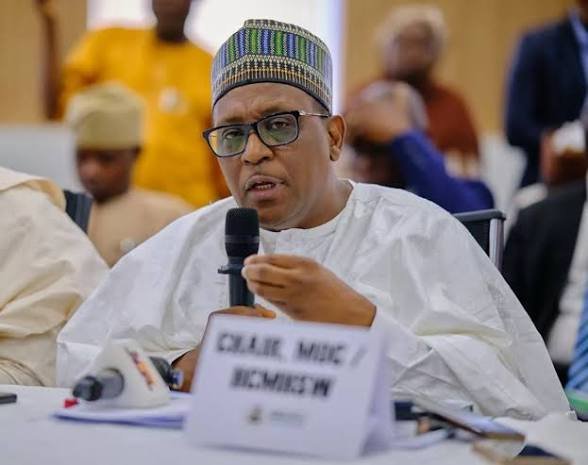
The Federal Ministry of Health and Social Welfare said it is working with the NCDC, the FCT Health Services Secretariat and other relevant authorities to contain the infection.
In its October 20 statement, the ministry called on public and private healthcare facilities across the country to remain on high alert.
It urged healthcare workers to identify suspected cases promptly, isolate them appropriately, maintain strict infection prevention and control measures, and report suspected cases to public health authorities without delay.
WHO is supporting Nigeria’s response through case investigation, contact tracing, infection control and the provision of essential supplies.
These measures are particularly important in healthcare settings, where exposure can occur if suspected infections are not recognised quickly or appropriate protective procedures are not followed.
The authorities’ next steps include continuing to monitor identified contacts, investigating the source of infection, strengthening surveillance and assessing whether additional response measures are needed as more information becomes available.
As of the October 20 announcements, the patient remained in isolation and the 44 identified contacts were being monitored. Authorities had not established the complete source of infection or reported a confirmed wider chain of transmission in the information reviewed for this report.
How Nigerians Can Protect Themselves
The confirmation calls for vigilance, not panic.
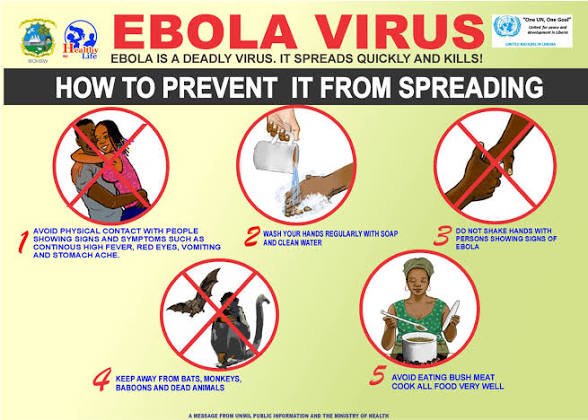
Nigerians should avoid direct contact with the blood and body fluids of anyone who may be infected, as well as contaminated materials. Regular handwashing with soap and water and careful attention to hygiene remain sensible precautions.
Anyone who believes they may have been exposed to Ebola and develops compatible symptoms should seek prompt guidance from public health authorities and disclose their travel and exposure history to healthcare professionals.
People should avoid attempting to care for a suspected Ebola patient without appropriate training and protective equipment. Healthcare workers should follow official infection prevention procedures and report suspected cases promptly.
The public should also rely on updates from the Federal Ministry of Health and Social Welfare, the NCDC and WHO rather than circulating unverified claims about suspected cases or alleged outbreaks.
Nigeria has experience responding to major public health threats, but the effectiveness of the current response will depend on early detection, transparent communication, careful contact tracing and strict infection control.
For now, the confirmed Abuja case and the 44 contacts under monitoring are the central facts. The investigation into the patient’s exposure history and the continued monitoring of contacts will help determine the next steps in preventing further spread.