

On October 14, 2026, workers and students across the United States are marking National Bring Your Teddy Bear to Work and School Day.
The trend may look playful, but it has roots in American history and a surprising link to a US president.
Imagine walking into an office on an ordinary Wednesday morning and finding a teddy bear sitting beside a computer, occupying a chair in a meeting or waiting patiently on a teacher’s desk. In some American schools and workplaces, that unusual sight is part of an annual celebration.
Wednesday, October 14, 2026, marks National Bring Your Teddy Bear to Work/School Day, an observance that invites children and adults to take their favourite stuffed bears into classrooms and workplaces.
But why would anyone dedicate a day to carrying a childhood toy to work, and how did the tradition begin?
The answers lead to a surprising chapter in American history, a famous presidential hunting trip and an organisation that has turned the playful idea into an opportunity to teach empathy and support families facing difficult circumstances. Yet one mystery remains: the precise origins of the annual observance have not been established.
How a US President Helped Give the Teddy Bear Its Name

The story behind the teddy bear began long before anyone thought of taking one to school or work.
In November 1902, Theodore Roosevelt, the 26th president of the United States, went on a bear-hunting expedition near Onward, Mississippi. According to the US National Park Service, Roosevelt had been invited to hunt by Mississippi Governor Andrew H. Longino.
During the expedition, Roosevelt’s hunting party captured a black bear and tied it to a tree. The president refused to shoot the animal, reportedly considering it unsportsmanlike to kill a bear under those circumstances. The bear was subsequently killed to end its suffering.
The incident attracted public attention after political cartoonist Clifford Berryman illustrated it in The Washington Post on November 16, 1902. His cartoon, titled Drawing the Line in Mississippi, helped turn the episode into a memorable part of Roosevelt’s public image.
The story soon inspired a toy-making couple in Brooklyn, New York. Morris and Rose Michtom created a stuffed bear and displayed it in their shop. Morris reportedly asked Roosevelt for permission to name the toy after him, giving rise to the name “Teddy’s Bear.”
The couple later established the Ideal Novelty and Toy Company, helping bring the teddy bear to a wider market.
However, the story does not belong to America alone. In Germany, the Steiff company was also developing stuffed bears around the same period, with Richard Steiff playing an important role in their design and production.
The teddy bear’s early history therefore involved developments on both sides of the Atlantic. More than a century later, it remains one of the most recognisable toys in the world.
Why Is National Bring Your Teddy Bear to Work/School Day Celebrated?
National Bring Your Teddy Bear to Work/School Day takes place on the second Wednesday of October each year. In 2026, that date is October 14.
The informal observance encourages people to bring a teddy bear or another stuffed animal to work or school. It offers a chance to share childhood memories, introduce classmates or colleagues to a favourite toy and add a little fun to an otherwise ordinary day.
For children, a teddy bear can become part of a classroom storytelling activity or a conversation about friendship and imagination. Adults can join in by placing a bear on their desks, sharing photographs or telling colleagues why a particular toy matters to them.
However, the precise founding date and original organiser of the observance remain unclear. National Day Calendar states that it is still researching the celebration’s origins.
That distinction matters. Although the teddy bear itself has a well-documented history, there is not enough reliable evidence to attribute the annual workplace and school celebration to a specific founder or claim that it began for one particular reason.
How Schools Use Teddy Bears to Teach Empathy

For some organisations, the day offers more than an opportunity to bring a cuddly toy into the classroom.
Catherine Cares, a US nonprofit that supports families experiencing pregnancy and infant loss, encourages schools to participate in Bring a Teddy Bear to School Day. Its programme combines the simple act of bringing a stuffed animal to school with lessons about compassion, empathy and supporting others.
On its official website, the organisation identifies two aims: teaching students the power of empathy and promoting a positive school climate.
Participating schools can encourage pupils and their families to join the event, explain the organisation’s mission and share information through school announcements, posters, emails and social media.
Schools can also organise fundraising campaigns. Catherine Cares says donations are appreciated but not compulsory, allowing schools to participate in the activity without making financial contributions a condition of involvement.
The educational element is particularly important. The organisation encourages adults to ask children how they would like others to treat them when they feel sad or have a difficult day. Those conversations can help pupils think about kindness, compassion and the feelings of other people.
A teddy bear, in this setting, becomes a starting point for discussing how to support someone who is struggling.
How Teddy Bears Help Support Families in Difficult Times
Catherine Cares also has a programme built around a special type of stuffed animal called a Heartbeat Bear.
According to the organisation, these bears contain a recording device that can preserve a baby’s heartbeat. Hospital partners record the heartbeat and place the device inside the bear before presenting it to the family.
The programme is intended to provide comfort to families facing a prenatal or newborn life-limiting diagnosis and to parents experiencing the loss of a baby.
Catherine Cares says its hospital partnerships have enabled it to provide services through more than 70 hospitals since 2014.
This work gives the teddy bear a significance that goes beyond childhood play. In these circumstances, it can preserve a deeply personal memory and offer a tangible reminder of a loved one.
The organisation’s work is separate from the general observance, but its school and workplace activities create an opportunity to raise awareness of its mission and encourage charitable support.
Other Ways People Celebrate Teddy Bear Day
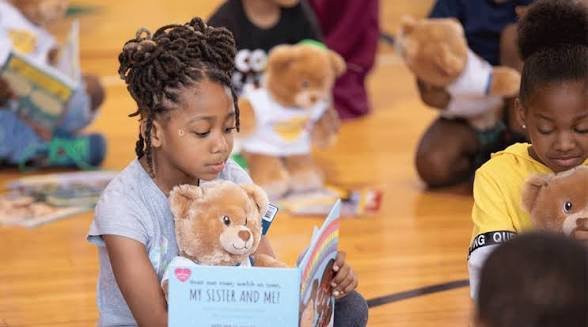
Not every celebration involves fundraising. Many activities focus on making the school day or workday more enjoyable.
National Day Calendar suggests bringing a favourite teddy bear to the office or classroom, introducing it to colleagues, organising a collection of new bears for children who need encouragement and sharing photographs online.
Schools can use the occasion for storytelling, reading exercises and creative writing. Pupils might describe their stuffed animals, invent stories about their adventures or explain why a particular toy is special to them.
Workplaces can organise informal photo competitions, give bears humorous job titles or arrange a teddy bear-themed lunch. Participants can also post pictures of their bears at desks or in classrooms using the hashtag #BringYourTeddyBearToWorkSchoolDay.
For schools and organisations participating through Catherine Cares, the day can include donation campaigns and activities that introduce children to empathy and charitable giving.
Participation does not have to involve buying a new toy or donating money. Someone can bring a teddy bear they already own, learn about the history of the toy or simply join a classroom discussion.
Is It an Official US Holiday?
Despite the word “National” in its name, National Bring Your Teddy Bear to Work/School Day is an informal observance, not a federal public holiday.
It does not mean that American workers receive a day off or that schools must organise activities. Participation depends on individual schools, workplaces and community organisations.
The observance is associated with the United States, but teddy bear-themed activities are not necessarily restricted to Americans. Schools, families and workplaces elsewhere can adopt similar ideas.
For Nigerian readers, the concept may sound unusual, particularly if they have never encountered it before. Yet the central idea is familiar: using a simple activity to bring people together, encourage creativity and remind children to consider the feelings of others.
The celebration’s exact origin remains a mystery, even though the history of the teddy bear itself is well documented.
On October 14, a teddy bear might sit beside a computer, join a classroom reading session or become part of a charitable campaign.
What appears to be a playful excuse to carry a childhood toy into adulthood can also open conversations about memory, kindness and supporting families in difficult circumstances.