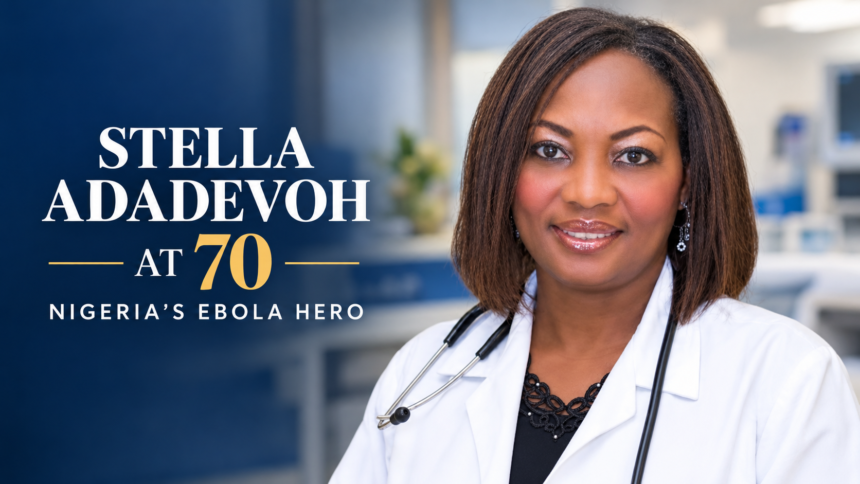
As Dr Ameyo Stella Adadevoh would have turned 70 on October 27, 2026, her name remains a reminder of how one doctor’s decision helped protect Nigeria from a potentially devastating Ebola outbreak.
In July 2014, when Ebola reached Lagos through an infected traveller, Adadevoh recognised a danger that had not previously been diagnosed in Nigeria. Despite pressure to release the patient, she insisted on keeping him isolated and alerted health authorities.
Her decision helped give Nigeria the opportunity to respond before the virus spread more widely. She later contracted Ebola while caring for patients and died on August 19, 2014.
More than a decade later, Adadevoh is remembered not simply because she died during an outbreak, but because her medical judgement, professional responsibility and determination became crucial to Nigeria’s response.
Who Was Stella Adadevoh?
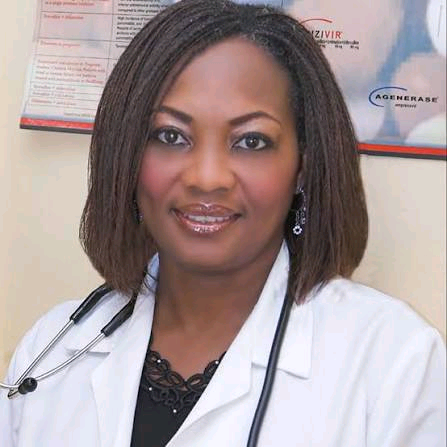
Born in Lagos on October 27, 1956, Adadevoh was a Nigerian physician and endocrinologist who spent 21 years working at First Consultants Medical Centre in Lagos, where she became the lead consultant physician.
She studied medicine at the University of Lagos, graduating in 1980, before pursuing further medical training, including a fellowship in endocrinology at Hammersmith Hospital in London.
Before the 2014 Ebola outbreak, she had built a career treating patients and making clinical decisions. But the situation that would define her place in Nigeria’s history was unlike anything she had encountered before.
When Ebola arrived in Lagos, no Nigerian doctor had previously diagnosed a case of the disease in the country. Adadevoh had to recognise the possibility of an unfamiliar infection, act on her suspicions and seek confirmation while managing a patient who needed urgent care.
How Stella Adadevoh Helped Stop Ebola in Nigeria

The chain of events began on July 20, 2014, when Patrick Sawyer, a Liberian-American official, arrived in Lagos after travelling from Liberia. He collapsed at the airport and was taken to First Consultants Medical Centre.
Sawyer was initially diagnosed with malaria. However, when Adadevoh examined him during a ward round the following day, she suspected that his illness could be Ebola, a highly infectious disease then spreading in parts of West Africa.
Although Sawyer denied contact with anyone infected with Ebola, Adadevoh did not dismiss the possibility. She contacted the Lagos State and Federal Ministries of Health and arranged for him to be tested.
The decision to keep him at the hospital became a major point of conflict. Sawyer and Liberian officials wanted him discharged so he could attend an Economic Community of West African States (ECOWAS) meeting. Adadevoh faced pressure and threats of legal action, but she refused to release him while the risk remained unresolved.
According to DRASA Health Trust, she maintained that she would not release him “for the greater public good.”
The Ebola diagnosis was subsequently confirmed. Sawyer died at the hospital on July 25, 2014.
Adadevoh’s decision mattered because isolating the infected patient and alerting health authorities helped create time for a coordinated public health response. Authorities could identify and monitor people who had come into contact with him, isolate suspected cases and work to prevent further transmission.
Nigeria’s success was not the work of one person alone. Public health officials, healthcare workers and response teams played important roles in tracing contacts, managing cases and containing the outbreak. However, Adadevoh’s early suspicion and refusal to release Sawyer helped set that response in motion.
The Ebola Outbreak and the Price She Paid
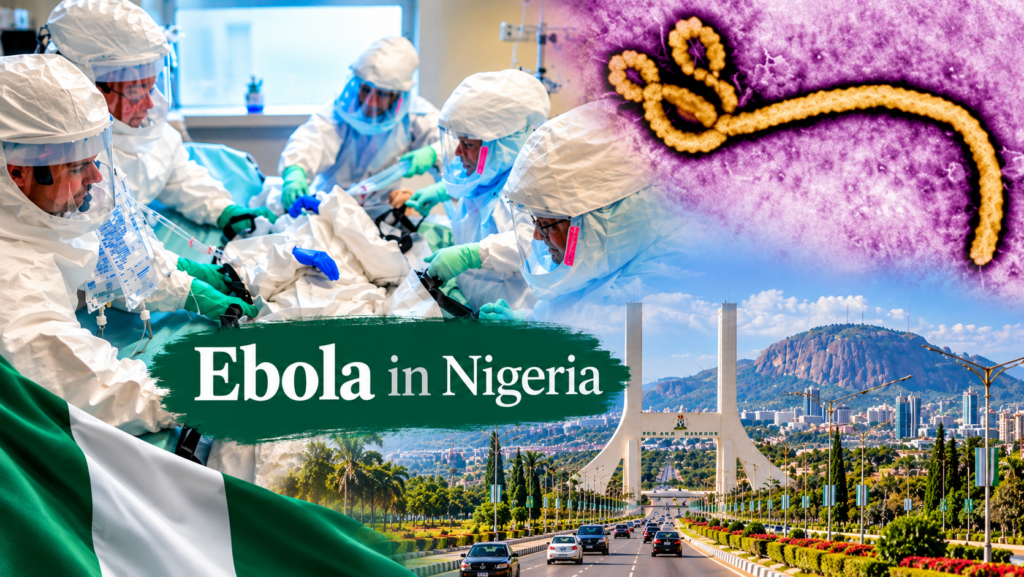
Ebola is a serious infectious disease that can spread through direct contact with the bodily fluids of an infected person who is symptomatic, or with contaminated materials. In a crowded city such as Lagos, an undetected case could have created serious challenges for public health authorities.
Nigeria recorded 20 Ebola cases, including confirmed and probable cases, during the 2014 outbreak. The cases were linked to the transmission chain originating with Sawyer.
The World Health Organization declared Nigeria free of Ebola transmission on October 20, 2014, after the required period without new cases.
But the outbreak came at a terrible cost. Healthcare workers were among those infected, and Adadevoh contracted the virus while caring for patients. She died on August 19, 2014, alongside three of her colleagues, according to DRASA.
Her death gave the outbreak a deeply personal dimension: the doctor whose actions helped protect the public had herself been exposed while doing her job.
Her story also highlighted the risks faced by frontline healthcare workers, particularly when health facilities lack sufficient protective equipment and preparedness for emerging infectious diseases.
Why Nigerians Still Remember Stella Adadevoh
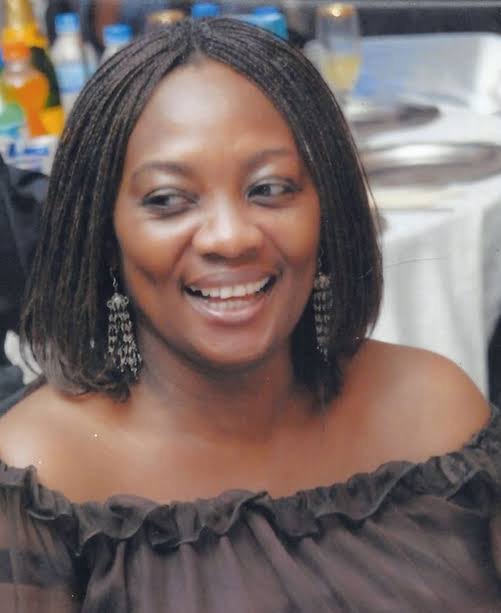
Adadevoh’s significance goes beyond the events of 2014. Her story represents the importance of professional integrity, early disease detection and the willingness to make difficult decisions when public safety is at stake.
Her case also offers a lesson in the consequences of delayed action. Recognising a suspected infectious disease, reporting it promptly and taking appropriate precautions can give health authorities a vital opportunity to prevent wider transmission.
Her legacy continues through the Dr Ameyo Stella Adadevoh Health Trust, known as DRASA, which was established in her memory to strengthen public health and help prevent the spread of infectious diseases.
She has also received national recognition for her service. In 2022, she was posthumously conferred with the Officer of the Order of the Niger (OON), one of Nigeria’s national honours. Google also commemorated her on October 27, 2018, with a birthday Doodle recognising her role in curbing the spread of Ebola in Nigeria.
Stella Adadevoh at 70: A Birthday That Reminds Nigerians of Her Sacrifice
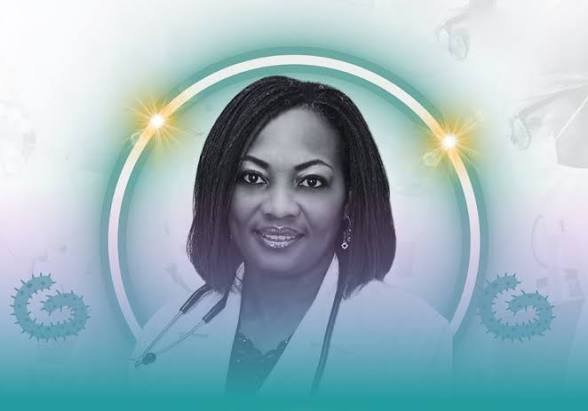
October 27, 2026, marks what would have been Adadevoh’s 70th birthday. The anniversary offers an opportunity to revisit not only the story of her sacrifice but also the public health lessons that remain relevant today.
Her experience showed why doctors must take unusual symptoms seriously, why suspected infectious cases require prompt assessment and isolation, and why healthcare workers need the training, equipment and institutional support to respond safely.
It also reminds Nigerians that controlling an outbreak requires more than individual bravery. It depends on effective coordination between hospitals, public health authorities and communities, as well as systems prepared to act quickly when a new threat emerges.
Adadevoh could not have contained Ebola alone, but her decisive actions helped Nigeria respond to the first case and limit the chain of transmission.
At 70, her legacy is therefore not only one of courage and sacrifice. It is a reminder that sound medical judgement, responsibility and a functioning public health system can make a difference to an entire nation.
For Nigerians who remember the 2014 outbreak, Stella Adadevoh remains a doctor whose decision helped protect countless others, and whose life continues to demonstrate the human cost and national importance of safeguarding public health.