
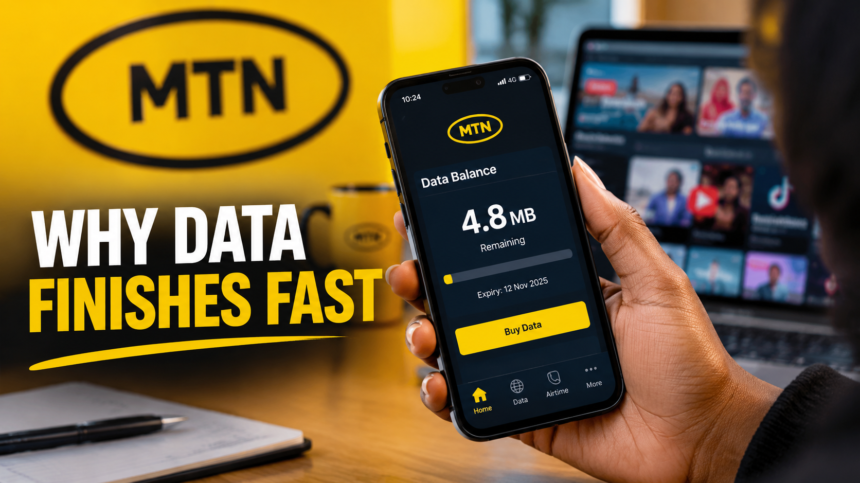
MTN data finishes fast for several reasons, including background applications, automatic downloads, high-quality video streaming and smartphone settings, according to MTN Nigeria. The telecommunications company has responded to complaints about rapidly disappearing data bundles, rejecting allegations that it deliberately deducts subscribers‘ data without usage.
At a forum titled Data on Trial in Abuja on Monday, October 26, MTN officials explained how everyday phone activities can consume internet data even when users do not realise what is happening. The discussion, held alongside activities surrounding the 32nd Nigerian Economic Summit, also addressed differences between data consumption figures displayed on smartphones and those recorded by telecommunications networks.
MTN Says Phone Activities Make Data Finish Fast
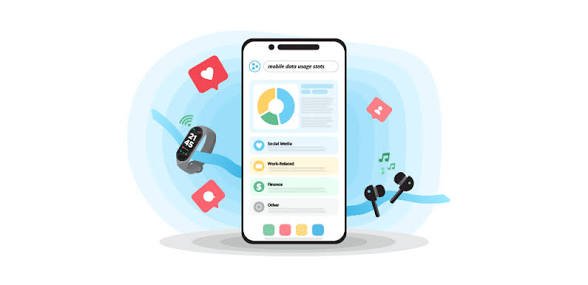
MTN Nigeria’s General Manager of Network Performance, Mike Ndukwe, said subscribers’ online activities and smartphone settings were major factors behind rapid data depletion.
“We’re not stealing your data. However, we completely understand how it feels, especially right now, where every amount counts. But the honest answer is that data is not taken without an action, either your action or your phone,” Ndukwe said.
His explanation centres on how modern smartphones and applications continue using internet connections beyond the activities users deliberately initiate.
Applications such as TikTok, YouTube, Instagram and WhatsApp can consume substantial amounts of data through video streaming, automatic playback, media downloads and background processes.
For subscribers who purchase limited data bundles, these activities can quickly reduce their available balance, particularly when several applications are allowed to operate without restrictions.
How TikTok Videos and WhatsApp Downloads Consume Data
According to Ndukwe, a 15-second TikTok video can consume between 2MB and 20MB, depending on its resolution and quality.
That difference matters because subscribers watching numerous videos may consume considerably different amounts of data depending on their viewing settings.
High-definition streaming generally uses more data than standard-definition viewing. Features that automatically play videos or preload upcoming content can also increase consumption.
WhatsApp is another potential source of unexpected data usage.
Ordinary text messages generally consume relatively little data, but the application also supports video sharing, photographs, voice notes, Status updates and group conversations involving media files.
Automatic downloads can make the difference. When the feature is enabled, photographs and videos may download without subscribers manually selecting each file.
“If your WhatsApp is set on auto-download, straight away it hits your data bundle. And that is where you can optimise some of your settings,” Ndukwe said.
MTN also cited approximately 45 million WhatsApp users in Nigeria and reported that data consumption across its network had increased by about 43 per cent year-on-year.
The figures highlight the scale of Nigerians’ internet activity, although overall network growth does not establish why an individual subscriber’s bundle has been depleted.
Why Your Phone and MTN May Show Different Data Usage

Another issue raised during the discussion was the difference between the data usage displayed in smartphone settings and the amount recorded by a telecommunications network.
MTN Nigeria’s General Manager of IT Operations, David Ogunsola, explained that the figures may differ because devices and network systems do not necessarily measure usage in precisely the same way.
“The data that you measure on your devices is slightly different from what traverses over the network and what’s on the charge,” Ogunsola said.
He attributed the differences to factors including measurement methods, background traffic and the timing of data sessions. He indicated that discrepancies could range from approximately 2 per cent to 12 per cent in some circumstances.
However, this explanation does not establish that every disputed deduction is correct. Subscribers who notice unexpected consumption still need to examine their usage records and seek clarification where necessary.
Ogunsola also explained that network technology primarily affects how quickly users can perform online activities, while the content they access and their application settings influence how much data those activities consume.
Does Switching to 4G or 5G Make Data Finish Faster?
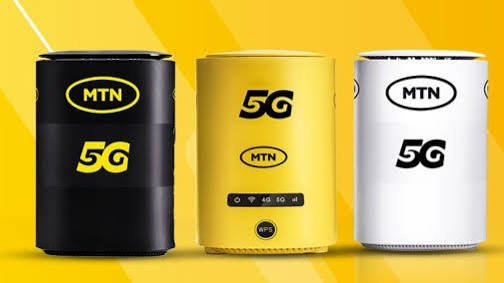
Moving to a faster network does not automatically mean that every activity consumes more data.
However, faster connections can make it easier for applications to load higher-quality videos, download larger files and refresh content quickly. If applications use those capabilities to deliver more data, subscribers may exhaust their bundles sooner.
For example, streaming a video at a higher resolution generally consumes more data than watching the same content at a lower resolution.
MTN’s data-management guidance similarly identifies video streaming, background applications, cloud backups and automatic downloads as activities subscribers should monitor.
The company also warns that hotspot connections can allow other devices to use a subscriber’s bundle for browsing, streaming and software updates.
How Nigerians Can Make MTN Data Last Longer
MTN’s explanation places considerable emphasis on checking smartphone settings rather than relying solely on the amount of data purchased.
Subscribers can start by reviewing which applications consume the most data in their phone settings.
Turning off automatic media downloads on WhatsApp, restricting app updates to Wi-Fi and limiting cloud backups over mobile networks can reduce unnecessary consumption.
Lowering video quality and disabling automatic playback where possible can also help.
Subscribers should check whether their mobile hotspot is enabled and disconnect unfamiliar devices. On phones with data-saving features, restricting background activity can prevent applications from consuming data when they are not actively being used.
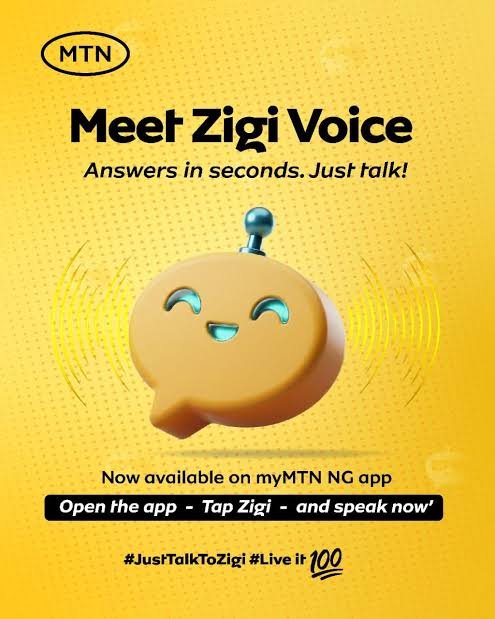
MTN also recommends monitoring consumption through the MyMTN NG App. Its official guidance advises customers who still notice unusual deductions to contact customer care or seek assistance through Zigi, the company’s virtual assistant.
The company maintains that understanding device settings and monitoring internet activity can help customers manage their bundles more effectively.
For subscribers who continue to question how quickly their data disappears, the practical next step is to compare their phone’s application-level usage with their network usage records rather than assume every instance has the same explanation.