


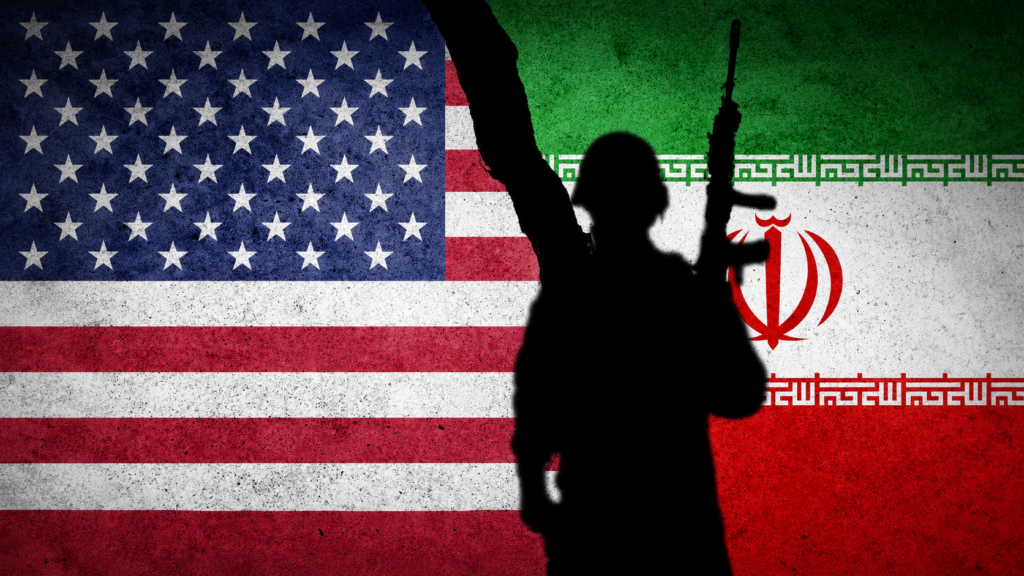
After weeks of tit-for-tat attacks in the Gulf, Washington and Tehran have stepped back from the brink. According to a report by Axios citing a senior U.S. official, the United States and Iran have agreed to halt recent hostilities and will meet for renewed talks later this week.
Here’s what we know so far, based on verified reporting:
1. The Deal: Halt Strikes, Return to Diplomacy
Iran and the U.S. agreed to stop recent attacks in the Gulf and renew talks over their dispute, particularly regarding the Strait of Hormuz. The two sides are slated to meet Tuesday in Qatar, per the Axios report. This comes after several days of strikes and counterstrikes that followed an Iranian projectile hitting a cargo vessel in the Strait of Hormuz on Thursday. Both sides had accused each other of breaking an interim ceasefire agreed to on June 17.
2. A Fragile Ceasefire Under Pressure
A ceasefire has technically been in place since early April 2026. Pakistan has been a key mediator, brokering a framework that included an immediate ceasefire, reopening the Strait of Hormuz, and 15-20 days to finalize a broader settlement. The broader goal of negotiations is a 60-day extension of the ceasefire to allow talks on Iran’s nuclear program, sanctions relief, and shipping through the Strait of Hormuz. Under a draft MoU, Iran would take steps to ensure safe transit while the U.S. would lift its naval blockade. However, the truce has been shaky. Iran launched missiles and drones at U.S. sites in Kuwait and Bahrain early Sunday, and the U.S. military said it struck Iran again after a tanker was hit in the Strait. President Trump also warned on social media that “the Islamic Republic of Iran will no longer exist” if diplomacy fails.
3. Negotiators are expected to tackle:
The strait of Hormuz: Roughly a fifth of the world’s oil and LNG passes through it. Iran has threatened to block it, but the draft deal seeks unrestricted shipping.
Nuclear program : The U.S. is pushing for commitments that Iran will not seek a nuclear weapon. Iran says its missile program is off the table, but nuclear issues and sanctions will be discussed in the 60-day window.
Regional fronts : Iran has said any ceasefire must apply “unequivocally” across all fronts, including Lebanon. Lebanon and Hezbollah have repeatedly complicated talks.
4. Not Final Yet: Approval Still Pending
While Axios first reported the agreement to halt attacks, officials note the text has not always been finalized. Iranian state media said the agreement “had not been finalized or confirmed” in previous rounds.
Vice President JD Vance said: “We’re not there yet, but we’re very close”. Trump has also claimed deals were imminent before, only for Tehran to dispute it. Iran recently canceled participation in technical talks over recent attacks and unfulfilled MoU conditions.
The Bottom Line
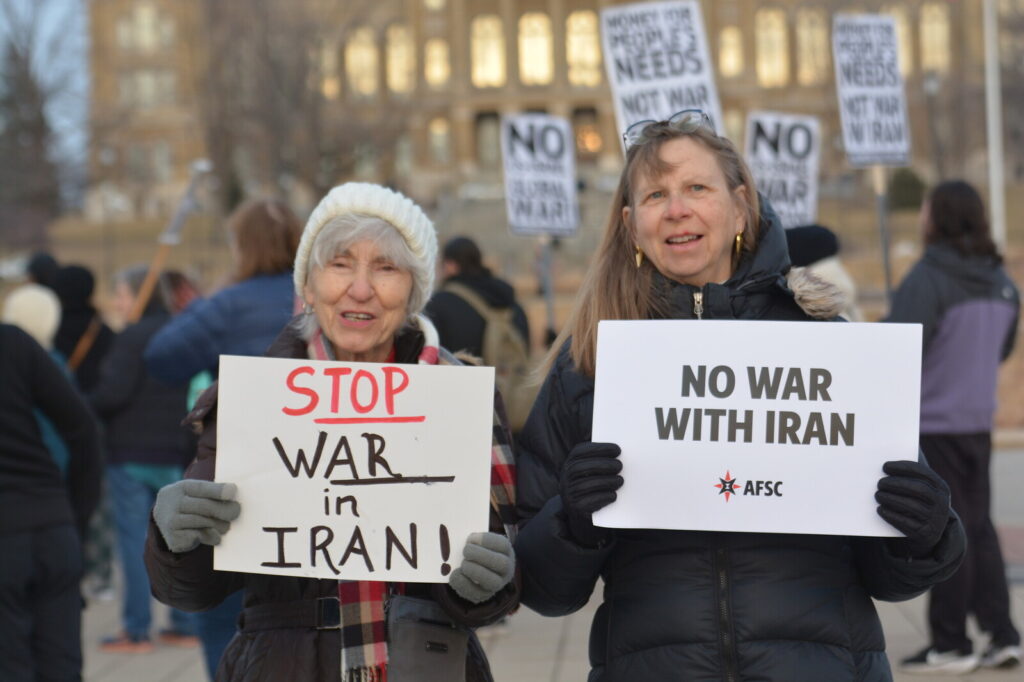
If the Qatar meeting holds, it would mark the most serious diplomatic opening since the conflict escalated in February. But with strikes still occurring and deep mistrust on both sides, the path from “halt” to a lasting peace remains uncertain. Oil markets have already reacted to the volatility, with prices swinging on news of talks stalling or resuming.
This story is developing. We will update as official statements are released by Washington and Tehran.