

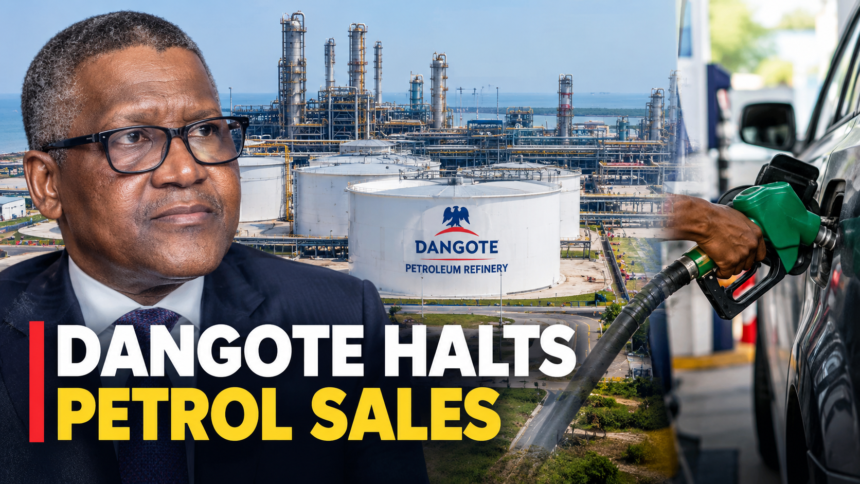
Dangote Refinery has stopped selling petrol to major fuel importers in Nigeria, in a move that has intensified the debate over competition, fuel quality and the future of petroleum supply.
The decision was confirmed on October 6, 2026, by refinery sources who said the facility will no longer supply petrol to major marketers involved in fuel importation. The sources said the action was taken to prevent its petrol from being blended with imported products after leaving the refinery.
According to The Punch, officials at the refinery said sales will now be prioritized for members of the Independent Petroleum Marketers Association of Nigeria (IPMAN) and other marketers who are not known to be importers.
The sources requested anonymity because they were not authorized to speak publicly on the matter.
Why Dangote Took The Decision

At the heart of the dispute is product integrity. Refinery sources said Dangote is concerned that its petrol could be mixed with imported fuel, making it difficult to trace the origin and quality of what is eventually sold to motorists.
The refinery has raised similar concerns in the past, arguing that blending could affect quality perception and make it hard to defend the standard of its product in the market.
Marketers, however, have pushed back on that claim and challenged the refinery to present evidence that imported petrol currently sold in Nigeria fails to meet the specifications set by regulators.
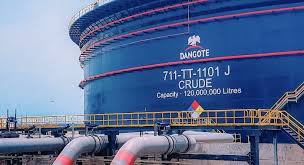
For Dangote, the decision appears to be both commercial and reputational. The refinery, which has a capacity of 650,000 barrels per day, is now the largest single supplier in the domestic market and wants to control how its product is positioned.
By limiting sales to marketers who do not import, the refinery believes it can better protect its brand and ensure that fuel sold as Dangote petrol is actually Dangote petrol.
Marketers Push Back Against The Move
The reported restriction has drawn criticism from petroleum marketers who see it as an attempt to limit competition and edge out fuel imports.
One major marketer quoted in early reports described the move as an effort to block imports entirely, arguing that once fuel is bought from the refinery, the supplier should not dictate how or where it is sold.
Other marketers have maintained that imports remain important for energy security. Their argument is that Nigeria still needs multiple sources of supply to prevent shortages, especially during maintenance, logistics disruptions or periods of high demand.

They also point to pricing. Marketers say competition between local refining and imports helps keep pump prices in check. If one supplier controls access, they warn, the market could become less competitive.
The debate has become more sensitive because Nigerians are still adjusting to full deregulation of the downstream sector. Any sign of supply restriction raises immediate concern about price and availability.
What IPMAN Is Saying
The Independent Petroleum Marketers Association of Nigeria has offered a more measured response.
Its National Vice Chairman, Hamed Fashola, said Dangote appears to be selective in its sales rather than shutting out all major marketers. He noted that not every major marketer is involved in importation.
According to Fashola, independent marketers decide where to buy based on price, logistics and commercial terms. They source from Dangote when the price is competitive and from other suppliers when it offers better margins.
IPMAN’s National Publicity Secretary, Chinedu Ukadike, said the refinery remains open for business and that he could not independently confirm claims that its petrol is being blended with imported products.
IPMAN represents over 80 percent of filling stations across the country, so its stance is important. If its members continue to get supply from Dangote, retail availability in many parts of Nigeria may not be immediately affected.
The Bigger Fight Over Import Licences
The petrol sales restriction is happening alongside a separate legal battle over fuel import licences.
Dangote Refinery has gone to court to challenge the continued issuance and renewal of import licences to the Nigerian National Petroleum Company Limited and several private marketers. The refinery argues that under the Petroleum Industry Act, import licences should only be granted when there is a proven shortfall in local supply.
Marketers have strongly opposed that interpretation. They argue that the Petroleum Industry Act allows qualified companies to import and that restricting licences would create a monopoly.
The issue came to a head on September 28, when the Federal High Court in Abuja ordered the Nigerian Midstream and Downstream Petroleum Regulatory Authority (NMDPRA) to continue granting import licences to Matrix Energy, A.A. Rano and AYM Shafa.
The judge held that refusing the licences would be inconsistent with the law. Reuters reported the ruling as a win for the three marketers, but it did not resolve Dangote’s broader case, which is still before the court.

The court cases show how policy is being tested. Nigeria wants to encourage domestic refining through Dangote and other refineries, but it also wants to maintain competition and avoid supply shocks.
Will This Affect Petrol Prices?
For now, there is no confirmed nationwide shortage or price increase linked to Dangote’s decision.
The immediate impact will depend on how marketers who are affected source alternative supply. Those with valid import licences can bring in products from outside, while others may need to buy through third parties.
Pump prices are determined by landing cost for imported fuel or ex-refinery price for Dangote fuel, plus transport, levies and margins. If alternative supply is more expensive, prices could rise in some locations. If supply remains adequate and competitive, prices may stay stable.
Analysts say the key factor is whether Dangote can meet national demand consistently. If it can, its pricing will largely set the market. If it cannot, imports will remain necessary to fill the gap.
The NMDPRA, as regulator, will be central in balancing these interests. Its decisions on import licences, quality checks and pricing transparency will influence how the market adjusts.
What Happens Next
What happens next will depend on how all sides move in the coming days. Dangote Refinery is expected to clarify its sales policy with a formal public statement that explains which marketers are affected and what criteria will be used for supply going forward.
At the same time, marketers who have been cut off will be looking to secure alternative sources quickly, either through imports where they hold valid licences or through third-party suppliers, and the cost at which they get that supply will matter for retail prices.
The court battle will also be important. How the judiciary rules on the broader dispute over import licences and how the NMDPRA balances local refining with competition will shape whether the market stays stable or becomes more contested.
For motorists, the outcome goes beyond business rivalry because it directly touches petrol price, availability and quality across the country.