



From the streets to classic fast food restaurants to fridges at home, Coca-Cola is everywhere. However, it didn’t become a global giant overnight; it began as a syrup sold for $5 in 1886. Coca-Cola, also known as Coke, is a globally renowned soft drink distributed across more than 200 countries. It is manufactured by the Coca-Cola Company and remains one of the most consumed beverages in history.
How it all began
In May 8 1886, in Atlanta Georgia, a pharmacist named John Pemberton mixed a syrup meant to cure headaches and fatigue in Jacobs’ pharmacy as a carbonated medicinal tonic and was selling for $5 per glass.
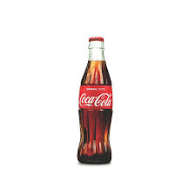
The drink was bought by a businessman named Asa Griggs candler in 1891 and with a good marketing strategy he pushed it as a refreshing soda and not as a medicine as it was originally manufactured to be, his aggressive marketing strategy of giving out coupons and putting ads in newspaper, he made sure Coca-Cola was available in every store eventually turning the beverage into an American cultural institution and now a global Enterprise.
Why Coca-Cola seems different
The branding : the red and white unique branding of Coca-Cola, the Santa Claus ad among many other slangs used in promoting the brand not only gave Coca-Cola a name but helped it secure its place globally.
Coca-Cola built one of the strongest brand in history while you can recognize the beverage without reading the words.
Distribution: Coca-Cola bottles locally instead of shipping soda across oceans and airways, they built bottling plants everywhere, which means they sell the same thing everywhere.
In Nigeria today, Nigeria bottling company has been bottling Coke for years.
Marketing strategy: Coca-Cola didn’t just sell drinks they sold moments, they sold feelings, ‘open happiness’ ‘ taste the feeling’ ‘share a Coke’. Coke has positioned itself as part of Nigerian celebration even during wars, vacations it is not just a beverage is refreshing taste cures fatigue.
More than just coke
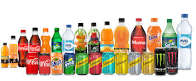
Most people think Coca-Cola just sells coke but it’s a big NO as the company owns over 200 brands including the famous Fanta, Sprite, schweppes, eva water, five alive, among many others. Coca-Cola literally has a version of almost every soda drink.
They also balance the health of consumers with their brand quality. They stay relevant even when people want to stay away from sugar, they go for five alive or eva water and even the zero sugar coke and all still counts for Coca-Cola.
Coca-Cola in Nigeria
Nigeria is one of coca-cola’s biggest market in Africa, the brand came in the 1950s and grew along with the Nigerian culture. At weddings, naming ceremonies, even at football viewing centers. Coke is everywhere, the share a coke campaign with Nigerian names on bottles went viral boosting sales and rankings.
Beyond drink
Coca-Cola also invest in women empowerment, youth programs and and water project through the Coca-Cola foundation. But like everywhere they also face questions about sugar, plastic waste and pricing during inflation.
The challenges now

Coca-Cola is not having it easy as we see, People are now more health conscious. Sugar taxes are rising in many countries. Competitors like Pepsi, energy drinks, and local beverages are fighting for shelf space. And Gen Z isn’t as loyal to one brand as older generations were.
So Coca-Cola is changing. Less sugar versions, smaller cans, more water and juice, and heavy push into e-commerce and delivery. They’re also trying to fix the plastic problem, aiming for bottles made with recycled plastic just to satisfy we humans.
Why Coca-Cola still matters

After 139 years, Coca-Cola is still the most valuable beverage brand in the world. It’s worth over $250 billion. Coca-Cola became more than a drink. It became a symbol. Of celebration, of America, of global culture. And that’s why, even in 2026, with thousands of new drinks on shelves, people still ask for “a Coke.”