


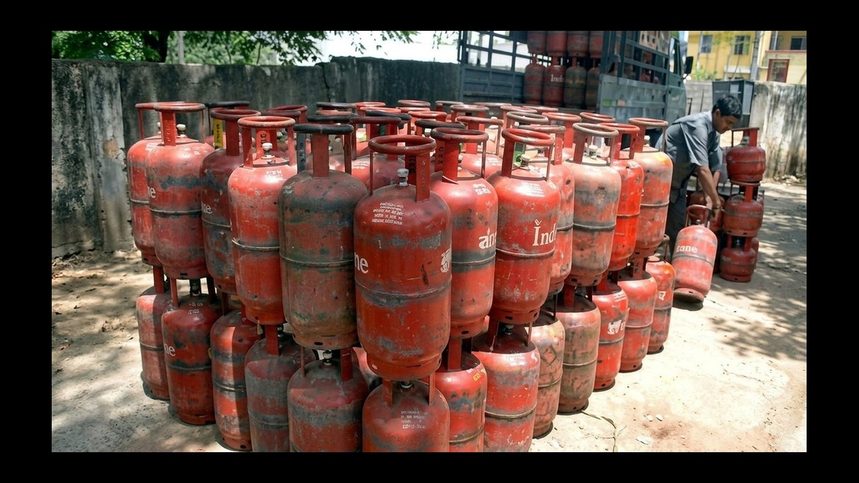
Accredited gas stations in Lagos were selling one kilogram at N1,300, while smaller gas plants sold at N1,350 and N1,400, depending on location.
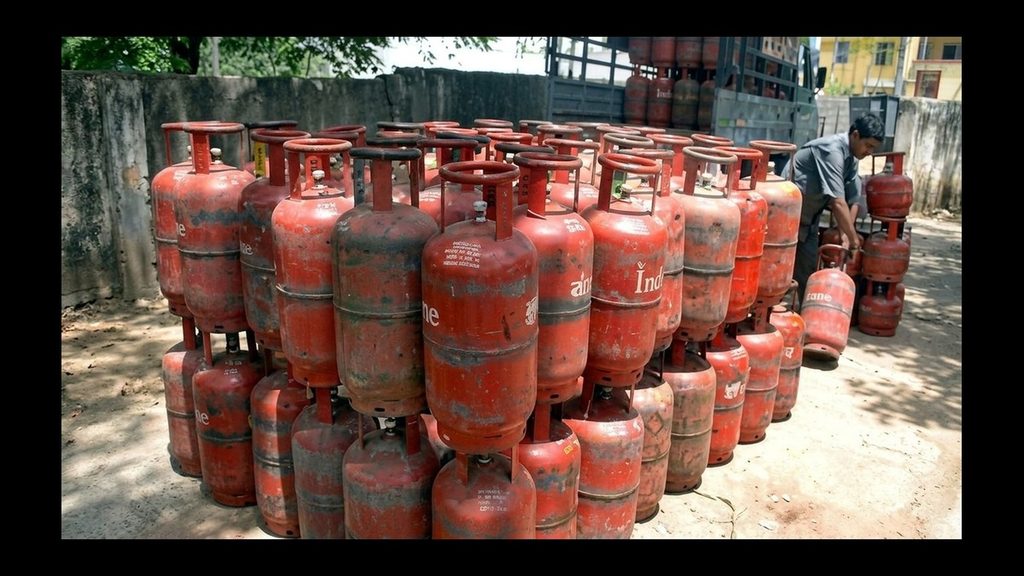
Dealers confirmed that official prices in other parts of the country are higher, reflecting the added burden of longer supply routes and regional logistics costs. The gap between formal and informal retail points means the poorest buyers are paying the most.
Inyang Edu, National President of the Nigerian Association of Liquefied Petroleum Gas Marketers, NALPGAM, told reporters that the increase cannot be attributed to only one factor, adding that the conflict involving the United States and Iran has created significant volatility in the global energy market.
“For Nigeria,” Edu said, “the effect is transmitted through several channels: international energy prices, shipping and insurance costs, foreign-exchange exposure, domestic logistics, and, most importantly for LPG, the availability and cost of supply into the domestic market.”
He disclosed that depot prices differ from depot to depot and can change from day to day depending on availability, source of supply, location, logistics, and commercial arrangements between suppliers and buyers. That volatility at the wholesale level feeds directly into what consumers pay at the pump.
As of Tuesday, Edu confirmed, 20-metric-tonne transactions in the Lagos market were broadly in the N20 million to N22.7 million range. The NALPGAM president confirmed the figures, citing approximately N22 million at Ardova, N22.7 million at Stockgap, and about N20 million at Panocean, with some listings at N19.9 million to N20.3 million at other Lagos locations.
“The immediate consequence,” Edu said, “is that the cost of LPG has increased along the entire supply chain from the depot to the LPG plant and ultimately to the consumer.” He added that transportation, loading, financing, plant operations, personnel, and maintenance costs all have to be recovered before the product reaches a buyer.
When LPG becomes unaffordable, some households are forced to reduce consumption or revert to alternative fuels such as firewood and charcoal, which undermines Nigeria’s clean-cooking objectives and can have serious environmental and public-health consequences.
Restaurants, bakeries, food vendors, schools, and hotels are also exposed. Edu noted that millions of Nigerian families and businesses now depend on LPG, meaning cooking gas is no longer a luxury fuel. Rising gas costs lift the operating expenses of every business that uses it, and those additional costs eventually feed into the prices of food and other goods.
In June 2026, the Nigeria Mid and Down Petroleum Regulatory Agency reported a year-to-date LPG supply deficit of about 91,966 metric tonnes, showing that the domestic market has been experiencing structural supply challenges alongside international price pressures.
That supply shortfall predates the latest price movement, meaning the two pressures—structural domestic shortage and international market volatility—are now compounding each other at the same time.
Edu, who spoke after the market data was compiled, said the replacement cost dynamic is straightforward: “When the replacement cost of LPG rises at the depot, the marketer cannot continue selling at the previous price without making a loss.”
The price of cooking gas has been one of the most watched consumer metrics in Nigeria since the removal of the petrol subsidy drove up energy costs broadly across the economy. September’s 8.3 percent monthly jump is the latest move in that sustained upward trend.
For a household using a 12.5-kilogram cylinder, the N100-per-kilogram increase translates to N1,250 more per refill at accredited stations and up to N2,500 more at informal outlets, compared with August 2026.
No government intervention or price control measure was announced as of September 16, and NALPGAM gave no forecast for when prices might stabilize, citing the unpredictable nature of the ongoing US-Iran geopolitical crisis driving cooking gas costs higher across all market segments.