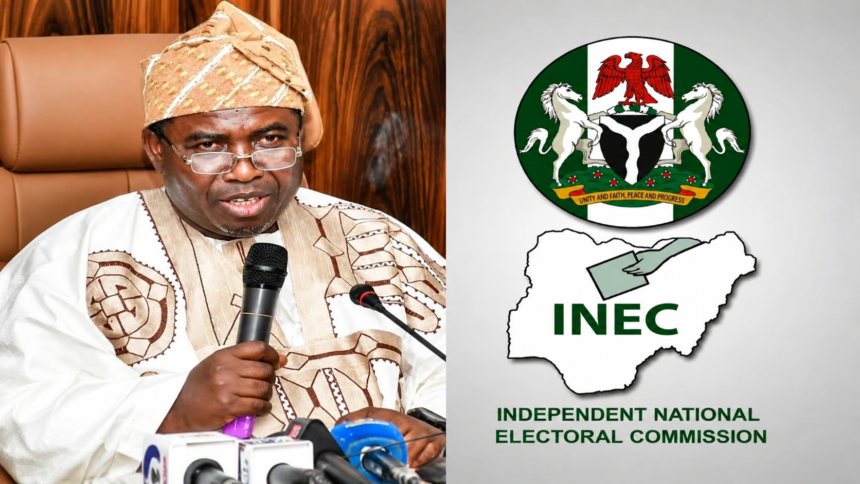
INEC plans a mock presidential election ahead of the 2027 general election as the electoral commission moves to test its technology, audit election systems and strengthen operational readiness.
INEC plans a mock presidential election ahead of the 2027 general election, with the electoral commission considering a full test of its election technology and processes before Nigerians return to the polls.
The proposal is part of a wider effort by the Independent National Electoral Commission to identify weaknesses early and improve confidence in the conduct of the next presidential election.
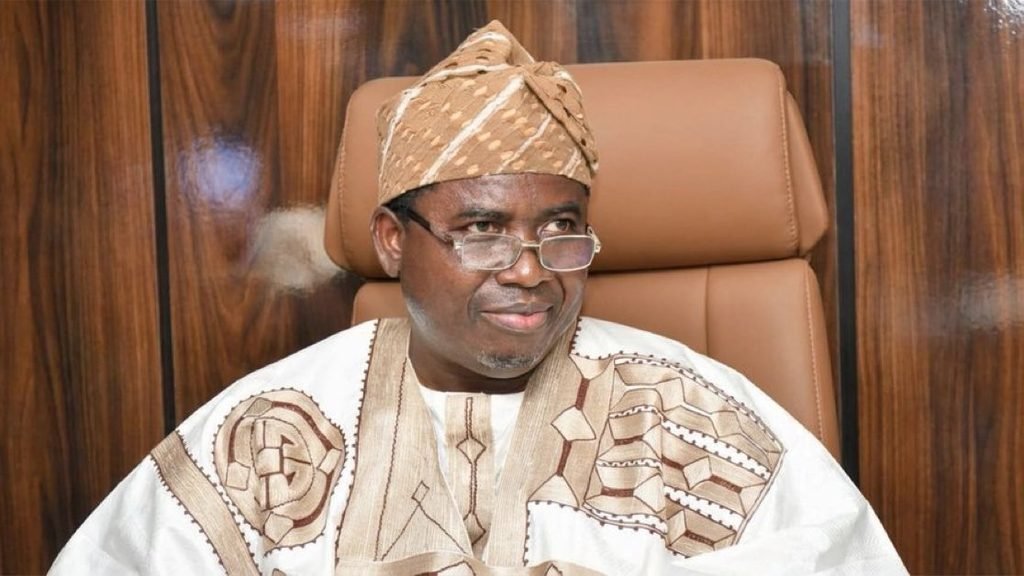
The plan was disclosed by INEC Chairman, Professor Joash Amupitan, during a meeting with the British High Commissioner to Nigeria, Richard Montgomery, at the commission’s headquarters in Abuja in July 2026. Amupitan said INEC was considering an audit of its electoral technology systems alongside a mock presidential election to test its readiness for the 2027 polls.
The development comes as preparations for the 2027 general election move into a more active phase, with INEC already carrying out voter-registration work, equipment preparations and other readiness exercises.
Why INEC wants a mock presidential election
The proposed mock presidential election is designed to give INEC an opportunity to test the systems and procedures that will be required during the actual 2027 presidential poll.
Rather than waiting until Election Day to discover technical or operational problems, a large-scale simulation would allow the commission to put its processes under pressure and identify areas that need improvement.
Amupitan linked the proposal to concerns arising from the 2023 general election, particularly questions surrounding the reliability and performance of election technology.
He said the commission was looking at auditing its systems and conducting a mock presidential election before the next general election.
The exercise would therefore be more than a symbolic rehearsal. Its value would depend on how closely it mirrors the demands of an actual nationwide presidential election and whether problems discovered during the test are corrected before 2027.
INEC also plans nationwide mock accreditation

The proposed mock presidential election should not be confused with another exercise that INEC has already announced for November 2026.
The commission said it would conduct a nationwide mock accreditation exercise in November to assess its readiness for the 2027 general election. According to Amupitan, the exercise will subject the Bimodal Voter Accreditation System, known as BVAS, and other electoral equipment to a rigorous field test.
The November exercise is significant because BVAS plays a central role in voter accreditation and election administration. Testing the equipment in real polling environments can help expose problems involving device performance, connectivity, configuration, deployment and the practical handling of voters.
INEC has previously used mock accreditation exercises as part of election preparations. In February 2026, for example, the commission conducted a mock accreditation exercise in 289 selected polling units across the six Federal Capital Territory Area Councils ahead of the FCT Area Council elections.
Technology remains central to 2027 preparations
Election technology is expected to remain one of the major areas of attention as Nigeria approaches the 2027 polls.
INEC’s current preparation includes work involving BVAS and the electronic transmission and viewing of election results. The commission has also acknowledged the need to replace or procure equipment that was damaged, lost or not recovered from previous elections.
In June, INEC said it had proposed ₦873.78 billion for the 2027 general elections, with significant spending expected on election operations, technology and capital expenditure. The commission also said it had begun preparations to procure additional BVAS devices and other equipment.

These preparations underline the scale of the challenge facing the electoral body. Nigeria’s general elections involve millions of voters, thousands of electoral officials and a vast network of polling units spread across the country.
Voter register also being strengthened
Technology is only one part of INEC’s preparations. The commission has also been working to improve the integrity of the national voters’ register.
INEC announced a nationwide voter revalidation exercise in February, citing concerns including duplicate registrations, registrations by non-citizens, deceased persons remaining on the register and incomplete or inaccurate records.
The commission said the national register contained 93,469,008 voters as of the 2023 general election and stressed that confidence in the register is fundamental to credible elections.
The wider preparation has also included Continuous Voter Registration and the collection of Permanent Voter Cards, giving eligible citizens opportunities to participate in the 2027 electoral process.
Off-cycle elections offer INEC a testing ground
INEC has also been using elections held before 2027 to evaluate its systems and operational procedures.
The commission has described off-cycle elections as important opportunities to test and improve its election processes. In August 2026, Amupitan cited the Osun governorship election as one of the benchmarks for assessing readiness, noting that 3,556 of the state’s 3,763 polling units had opened for accreditation and voting by 8:30 a.m.
Such elections give INEC practical experience before the much larger national contest. They can reveal problems that may otherwise remain unnoticed until a general election, particularly in logistics, staffing, technology and coordination.
What the mock presidential election could mean
If INEC proceeds with the proposed mock presidential election, the exercise could become one of the most important readiness tests ahead of 2027.
The key issue will not simply be whether the simulation takes place, but what INEC learns from it. Technical failures, delays or gaps discovered during a mock exercise would only be useful if the commission has enough time and resources to address them.
The timing also matters. INEC has already said the November 2026 nationwide mock accreditation will be used to assess readiness, while the separate mock presidential election remains a proposal under consideration in the commission’s broader technology-audit plans.
For voters, the significance is straightforward: preparation before an election is just as important as what happens on Election Day.
With political activity building ahead of the 2027 presidential contest, pressure will continue to grow on INEC to demonstrate that its technology, personnel, logistics and procedures are ready.
The proposed mock presidential election is therefore best understood as part of a larger preparation programme rather than an election in itself. Its success would ultimately be measured by whether it helps INEC detect weaknesses early, fix them and deliver a process that Nigerians can trust when the real presidential votes are cast.