

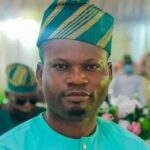

Nigerian singer Omah Lay has disclosed his ongoing struggle to quit smoking, saying he enjoys the habit but has made repeated attempts to stop. The singer spoke during a podcast interview with DJ Dan, addressing both his personal smoking habit and the broader question of cannabis use in Nigeria.

Omah Lay told the podcast that his relationship with smoking has been a source of internal conflict, describing efforts to quit that have so far not produced a lasting result. He said the process has been difficult and that he has fought himself over the habit on more than one occasion.
“I can’t even lie, I love smoking a lot, but I want to try to stop. I want to stop. I fought myself,” the singer said during the interview, laying out the tension between his enjoyment of smoking and his desire to break free from it.
The singer disclosed that he has since changed his approach to quitting, moving away from what he described as a forceful method. He said he no longer wants to place excessive pressure on himself as he works through the process of trying to change his habits.
Omah Lay noted that the happiness he gets from smoking is not genuine, describing it plainly as “artificial happiness.” Despite that assessment, he indicated that he has not yet fully stepped away from the habit and that his current focus is on enjoying life and finding peace.

The singer stated that, for now, he wants to concentrate on the things that bring him contentment. He did not give a timeline for when he expects to stop smoking or outline any specific plan for doing so during the interview.
Omah Lay also turned his attention to the legal status of cannabis in Nigeria, where recreational use of the substance remains prohibited. He said the illegality of cannabis can produce a damaging psychological effect on young Nigerians who use it.
The singer disclosed that criminalizing cannabis use causes young people who engage in it to feel like criminals. He made the remarks in the context of discussing how legal frameworks around substances can shape the self-perception and well-being of young users in the country.
Nigeria’s drug laws classify cannabis as a prohibited substance, and individuals found in possession of it face legal consequences under existing statutes. Omah Lay’s comments place him among a number of Nigerian public figures who have raised questions about how those laws affect ordinary young people.

The singer did not call for a specific legal change during the podcast conversation, nor did he advocate for full legalization of cannabis. His remarks focused instead on the lived experience of young Nigerians who use the substance under the current legal framework and the stigma that can follow.
Omah Lay’s willingness to speak on the subject of substance use in a public forum is consistent with a candid personal style he has demonstrated across various interviews. His comments on smoking drew attention to the difficulty many people face when attempting to quit nicotine or tobacco products.
The singer’s description of smoking-induced happiness as “artificial” suggests an awareness of the limits of the habit even as he continues it. He framed his current position not as a failure to quit but as a deliberate choice to avoid self-imposed pressure while working toward change.
He told the DJ Dan podcast that finding peace remains a priority for him at this stage. That statement came alongside his admission that stopping smoking has proven more difficult than he initially anticipated when he first tried to quit.
Omah Lay did not specify what prompted his earlier attempts to stop smoking or what methods he used. He also did not name any health concerns as a driving factor in his desire to quit the habit during the course of the interview.
The singer’s comments on smoking and cannabis add to a growing body of public discourse in Nigeria around substance use, personal health choices, and the legal treatment of cannabis. Omah Lay’s candid remarks on quitting smoking keep the conversation active among his audience.