A televised colloquium broadcast on major television stations and attended by several prominent personalities has split public opinion, with the event’s supporters calling for youth inclusion in governance while a leading opposition voice questioned its entire basis.
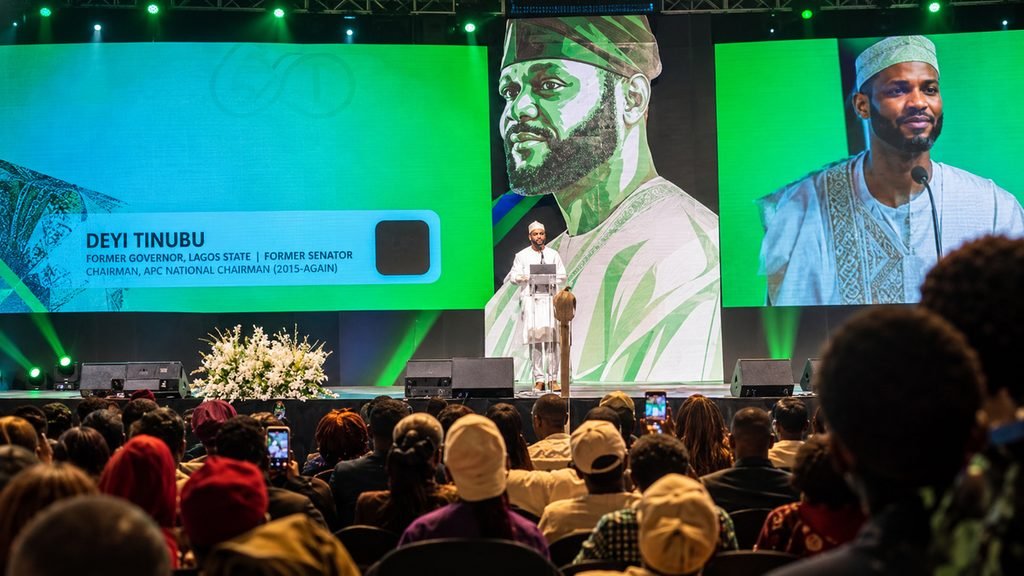
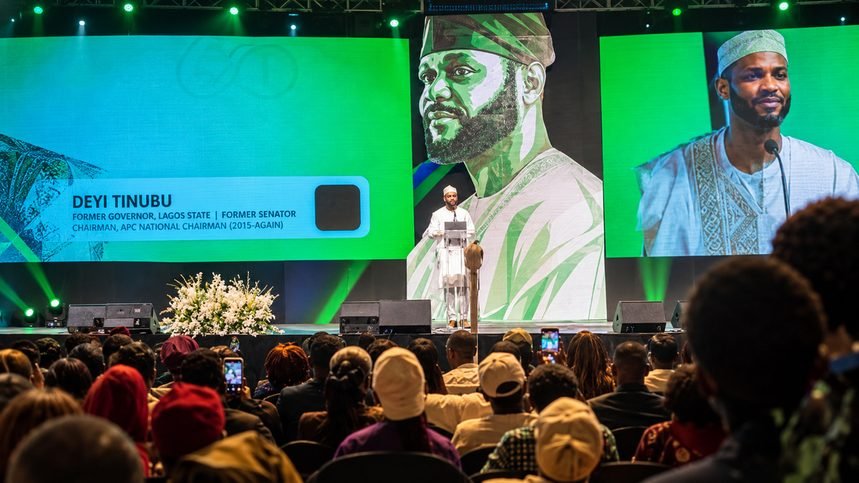
The ceremony, held at Eko Hotel and Suites, marked the 41st birthday of Seyi Tinubu, son of President Bola Tinubu. Monday’s inaugural event drew governors, business titans, traditional rulers, and a pointed rebuke from AAC presidential candidate Omoyele Sowore all at once.
Sowore, in a post on his verified X handle, described the event as an example of what he termed the growing culture of sycophancy and worship of political power in Nigeria. His post, published while the colloquium was still live on television screens, spread quickly across social media platforms and prompted dozens of public responses within hours.
“What exactly has Seyi Tinubu contributed to Nigerian society to warrant this elaborate colloquium, attended by so many ‘prominent personalities’ and broadcast across major television stations? ” Sowore wrote, directing the question at the event’s organizers and attendees.
Sowore questioned whether the gathering was organized to recognize public service, intellectual contributions, or notable national achievements, then faulted the timing of the colloquium, arguing that the event was taking place when millions of Nigerians were grappling with economic hardship, unemployment, hunger, and insecurity.
The Cadre Harmonisé analysis had projected that 34.7 million Nigerians would face acute food insecurity during the June to August 2026 lean season; the Food and Agriculture Organization later estimated that about 36.3 million people actually faced crisis levels of hunger or worse during that period.
The inaugural edition of the Seyi Tinubu Colloquium, held at the Eko Hotel and Suites under the theme “Shaping the Future Together,” was conceived as a yearly national platform for policy alignment and intergenerational dialogue, bringing together state governors, federal cabinet ministers, traditional rulers, and youths to debate the trajectory of Nigeria’s economic reforms.
Delivering the inaugural keynote address, titled “Africa Next: Building the Demographic Asset Class,” former African Development Bank President Dr. Akinwumi Adesina urged African nations to pivot from viewing expanding populations merely as demographic metrics to developing them into high-value economic assets.
Adesina argued that young people needed more than conventional empowerment programs, stressing the importance of financial institutions willing to invest in their potential and support their businesses. He also warned against over-reliance on artificial intelligence at the expense of building African human capacity.
Sanwo-Olu, in his goodwill message, urged leaders to mentor young people, provide them with employment opportunities, and entrust them with responsibilities that would prepare them for leadership, recalling that he was appointed a special adviser at the age of 36 during the administration of former Lagos State Governor Bola Tinubu.
Seyi Tinubu said younger Nigerians must have a place in important national conversations and decision-making. “Experience must make room at the table for the younger collaborators while ambitious new leaders must use that experience to prepare themselves for responsibility,” he said.
Tinubu said the country’s economic reforms, including fuel subsidy removal, foreign exchange reforms, and tax changes, would shape the opportunities available to younger generations, while acknowledging the immediate difficulties faced by households across Nigeria’s 36 states.
Other dignitaries at the event included BUA Group chairman Abdul Samad-Rabiu, Heirs Holdings chairman Tony Elumelu, NASENI chief executive Khalil Suleiman-Halilu, filmmaker Funke Akindele, presidential aide Moremi Ojudu, and Rise Networks founder Toyosi Akerele Ogunsiji.
The Alaafin of Oyo, Oba Abimbola Owoade I, was also among dignitaries who joined Seyi Tinubu for a cake-cutting ceremony at the colloquium. The event’s organizers described it as an annual platform that would return each year.
The criticism comes as the president’s son turned 41 on Monday, with the 2027 general elections drawing closer—a proximity that ensures the question Sowore raised about the Seyi Tinubu colloquium will follow the event long after the cake was cut.