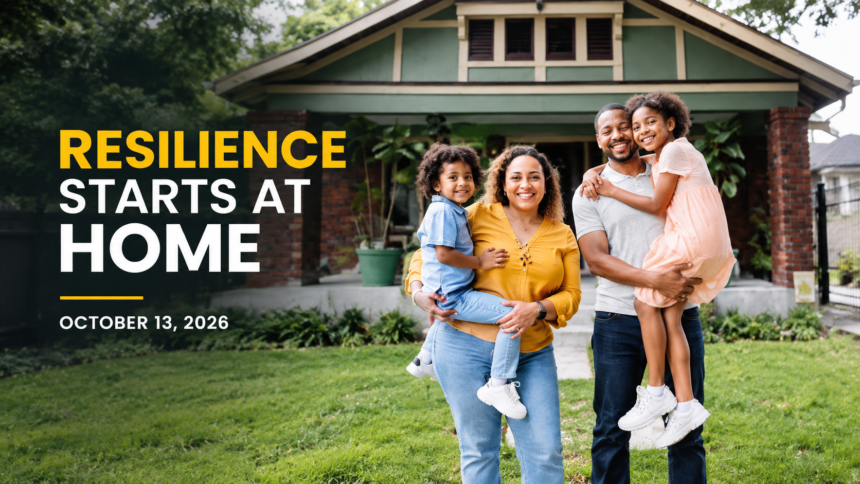
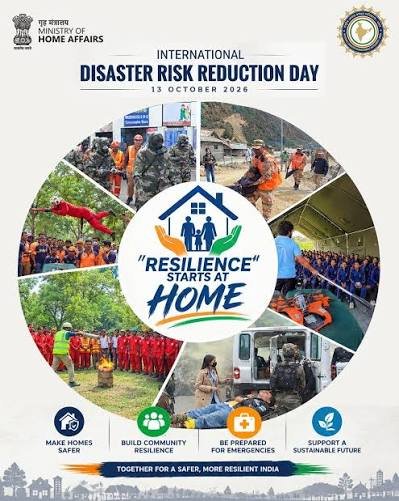
The International Day for Disaster Risk Reduction 2026 is being observed on October 13 under the theme “Resilience Starts at Home,” with the United Nations calling for safer, more affordable housing and stronger household preparedness to reduce the devastating effects of disasters.
The annual observance draws attention to a fundamental question: how safe are the places where people live? From flooding and storms to earthquakes, fires and other hazards, disasters can turn homes into places of danger, displacing families, destroying livelihoods and pushing vulnerable households deeper into poverty.
This year’s campaign places housing at the centre of disaster prevention, emphasising that protecting lives begins long before an emergency occurs.
International Day for Disaster Risk Reduction 2026: Why October 13 Matters
The United Nations General Assembly established the International Day for Disaster Risk Reduction in 1989 to promote a global culture of disaster awareness and prevention. Observed every October 13, the day recognises efforts to reduce exposure to hazards and encourages governments, organisations and communities to strengthen their preparedness.
The 2026 theme, “Resilience Starts at Home,” was announced by the United Nations Office for Disaster Risk Reduction (UNDRR) in June.
According to UNDRR, homes are where people sleep, care for their families and build their daily lives. However, the way homes are planned, financed, constructed and maintained can determine whether they protect occupants or expose them to danger.
The campaign therefore calls for greater attention to housing safety, risk-informed planning, effective building standards and practical measures that help households prepare for emergencies.
It also reflects the wider goals of the Sendai Framework for Disaster Risk Reduction 2015–2030, an international agreement aimed at preventing new disaster risks, reducing existing risks and strengthening resilience.
Resilience Starts at Home: The Importance of Safe Housing
A home provides more than shelter. It protects families, supports livelihoods and offers a sense of security. When a building is poorly constructed, situated in a high-risk location or inadequately maintained, however, it can become a source of serious danger.
For example, houses built on flood-prone land without appropriate protective measures may expose residents to rising water. Buildings constructed without adequate structural safeguards can be more vulnerable to certain hazards, while poorly maintained roofs and drainage systems may worsen the effects of heavy rainfall.
Disaster-resilient housing considers these risks before construction begins. Depending on local conditions, this may involve choosing safer building locations, using suitable construction materials, strengthening structural components, improving drainage and incorporating designs appropriate for the hazards a community faces.
The goal is not to make every building immune to every possible disaster. It is to reduce foreseeable risks and limit the damage that hazards can cause.
UNDRR’s 2026 campaign emphasises that the responsibility for safer homes extends beyond individual households. Governments must establish and enforce appropriate building standards, developers and construction professionals must account for risks, and financial institutions and other private-sector organisations can help make resilient housing more accessible.
Affordable Housing Must Also Be Safe
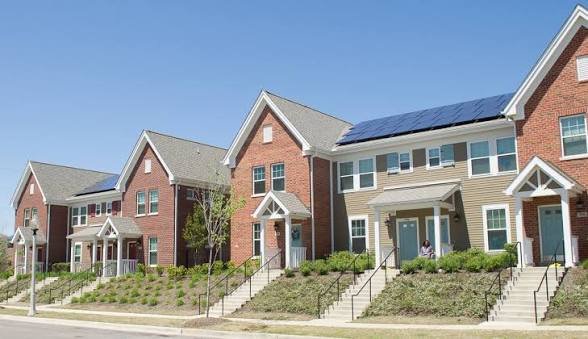
One of the central messages of this year’s campaign is that affordability should not come at the expense of safety.
For low-income families, the cost of housing can leave limited room for repairs, stronger construction materials or improvements that reduce exposure to hazards. Some households may also have little choice about where they live, particularly when safer locations are too expensive or affordable housing is scarce.
This creates a difficult situation: families who have the fewest resources to recover from a disaster may also face significant barriers to securing safer homes.
The UNDRR’s 2026 campaign concept note makes the principle clear: “No one should have to choose between an affordable home and a safe one.”
The message calls for housing policies that consider both costs and risks. Governments can contribute through effective land-use planning, appropriate building regulations, investment in infrastructure and measures that improve access to safer housing.
Property developers, engineers, financial institutions and insurers also have roles to play in ensuring that disaster risks are considered during the planning, construction and financing of homes.
Investing in prevention can help reduce future losses, although the measures required will differ according to the hazard, location and type of building.
What Disaster Preparedness Means for Families
While governments and construction professionals have significant responsibilities, households can also take practical steps to improve their preparedness.
The first is understanding the hazards that may affect the area where a family lives. These could include flooding, severe storms, extreme heat, fires or other locally relevant threats.
Families should pay attention to official weather forecasts, emergency alerts and public safety instructions. They can also discuss what to do during an emergency, identify safer places to go and establish how family members will communicate if they become separated.
Keeping essential supplies and important documents accessible can also help households respond more effectively, depending on the nature of the risk.
Home maintenance matters as well. Where it is safe to do so, residents can address leaking roofs, blocked drainage channels and other problems that may increase vulnerability. Structural concerns should be assessed by qualified professionals rather than addressed through unsafe repairs.
Importantly, preparedness is not simply a matter of individual responsibility. People need reliable information, accessible warnings and the resources to act on what they learn.
As UNDRR stresses in its 2026 campaign materials, an early warning that does not reach a household, is not understood or does not lead to action cannot adequately protect the people at risk.
International Day for Disaster Risk Reduction and Vulnerable Communities
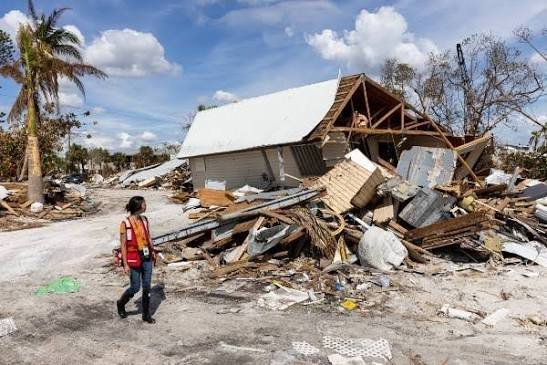
The effects of unsafe housing are not distributed equally. Older people, children, persons with disabilities and low-income households can face particular challenges before, during and after disasters.
For example, an emergency warning may be difficult to act on if it is inaccessible to someone with a disability. Families without reliable transport or financial resources may struggle to leave a dangerous location, while households displaced by a disaster may find it difficult to secure alternative accommodation.
Women and other groups facing inequalities may also experience additional barriers involving access to resources, housing security and decision-making.
The 2026 campaign therefore calls for resilience efforts that account for people’s different circumstances. Safe housing and disaster preparedness must be supported by inclusive planning, accessible warnings and practical assistance for households that cannot manage these challenges alone.
Reducing disaster risk requires more than constructing stronger buildings. It also means ensuring that communities have the information, infrastructure and support necessary to protect themselves.
What the 2026 Theme Means for Nigeria
For Nigeria, the focus on resilient housing is particularly relevant to communities exposed to seasonal flooding, intense rainfall and other environmental hazards.
In flood-prone areas, the location of homes, the condition of drainage systems, land-use decisions and the quality of construction can all influence the level of risk residents face. Urban development that fails to account for local hazards can leave households more exposed when severe weather occurs.
The campaign provides an opportunity to examine how housing development, building regulation, public infrastructure and community preparedness can work together to reduce these risks.
Local authorities can support prevention through risk-informed planning, effective drainage management, enforcement of applicable building regulations and timely communication about potential hazards. Developers and construction professionals can incorporate appropriate safety measures into building projects, while residents can follow official warnings and take reasonable precautions suited to their circumstances.
These efforts must be supported by reliable public information and realistic access to safe, affordable housing. Families should not be left to manage risks that require coordinated action from institutions and communities.
Building a Safer Future Starts Before Disaster Strikes

The International Day for Disaster Risk Reduction 2026 is a reminder that disaster prevention begins long before the first warning or emergency response.
A safe home depends on informed planning, suitable construction, regular maintenance and access to reliable information. It also requires governments, private-sector organisations and communities to recognise that housing decisions can have lasting consequences for public safety.
The theme “Resilience Starts at Home” places families at the centre of the discussion without making them solely responsible for solving a much wider problem.
As the world marks October 13, the message is straightforward: reducing disaster losses requires investment in prevention, stronger housing standards and support for people who face the greatest risks.
A resilient community begins with households that are better protected, better informed and better prepared for the hazards around them.