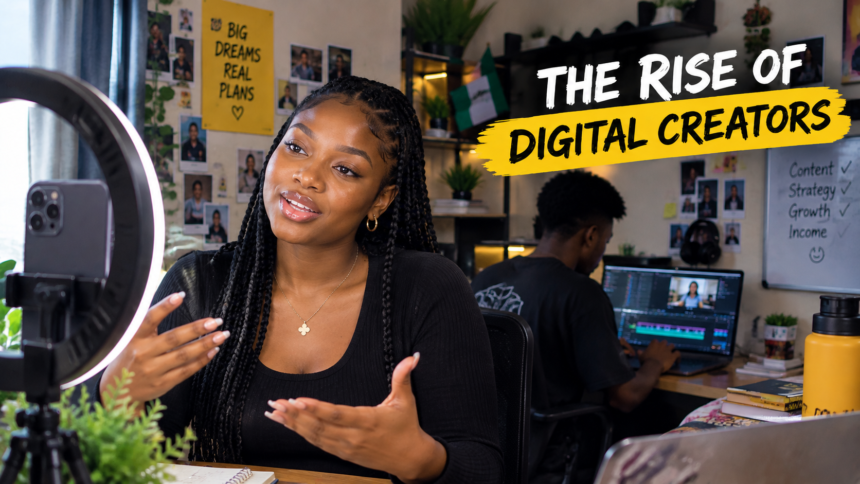
Nigerian digital creators are turning social media attention into business opportunities, changing how entertainment, advertising and storytelling work in the country.
From comedy skits and fashion videos to podcasts, food reviews and online commentary, creators are building audiences that attract businesses and connect Nigerian culture with viewers around the world.
However, behind the growing popularity lies a difficult question: how many creators can turn their online influence into sustainable income?
The opportunity is becoming harder for businesses to ignore. DataReportal’s Digital 2026: Nigeria report estimates that the country had 109 million internet users and 47.8 million social media user identities in October 2025. The report cautions that social media identities do not necessarily represent unique individuals. Nevertheless, the figures illustrate the scale of the potential audience available to digital publishers and creators.
How Nigerian Digital Creators Are Building New Audiences
The growth of digital content has opened more routes for Nigerians to reach audiences without depending entirely on traditional media companies.
A comedian can publish a skit on TikTok, Instagram or YouTube. A fashion enthusiast can demonstrate styling ideas, while a food creator can review restaurants, document local recipes or introduce viewers to unfamiliar dishes. Meanwhile, podcasters and commentators can build communities around conversations that might receive limited attention in mainstream broadcasting.
These formats allow creators to experiment with their voices, subjects and presentation styles. They can also publish directly to audiences, receive immediate feedback and develop recognisable personal brands.
YouTube’s potential advertising reach in Nigeria reached 30.5 million users in late 2025, according to figures compiled by DataReportal from Google’s advertising resources. The figure represents potential advertising reach, not necessarily the platform’s monthly active users.
DataReportal also reported a 13 per cent increase in YouTube’s potential advertising reach between late 2024 and late 2025.
For creators, this matters because digital platforms offer access to audiences beyond their immediate communities. A video made in Lagos, Port Harcourt, Abuja or a smaller Nigerian town can potentially reach viewers elsewhere in the country and abroad.
However, reaching an audience is only the beginning. Building a dependable business requires creators to understand what their viewers value and how that attention can generate income.
Why Brands Are Taking Digital Creators Seriously
One major development behind the creator economy is the changing relationship between businesses and online personalities.
Brands increasingly have opportunities to work with creators who already speak to particular audiences. Rather than relying exclusively on conventional advertising, a company can collaborate with a fashion creator, comedian, beauty reviewer or lifestyle personality to present its products in a format that feels familiar to viewers.
Such partnerships can include sponsored posts, product demonstrations, campaign appearances, ambassador agreements and commissioned videos.
Nigeria’s influencer-marketing industry is also receiving more formal attention. Dotts Media House’s Nigeria Influencer Marketing Report 2026 examines the development of the market from 2021 to 2025, including brand collaborations, pricing benchmarks, campaign management and the growing importance of data in influencer marketing.
This points to a market moving beyond occasional payments for social media mentions. Businesses need to consider audience relevance, engagement, campaign objectives and the suitability of a creator for their brand.
Creators, in turn, must increasingly treat their work as a professional service. Producing content is one part of the job; negotiating agreements, meeting deadlines, understanding campaign requirements and maintaining audience trust are equally important.
The Money Problem Behind the Creator Economy
Despite the opportunities, popularity does not automatically translate into financial security.
The Nigerian Creator Economy Report highlights a significant gap between the number of people creating content and those earning substantial amounts from it. Its published summary states that 56 per cent of creators earn less than $100 monthly, while only about three per cent earn more than $5,000. The report also identifies brand partnerships and digital products or services as important income sources.
These figures should be read as findings reported by that publication, rather than a definitive census of every Nigerian creator. Nevertheless, they raise an important issue: a thriving content scene does not necessarily mean most participants are making a living from their work.
Creators may generate views without securing paid partnerships. Others may receive sponsorships irregularly, while those relying on platform payments must meet eligibility requirements and comply with monetisation policies.
YouTube, for example, operates a Partner Programme through which eligible channels can earn revenue under its rules. Eligibility and the available earning features depend on the programme’s requirements; simply opening a channel or attracting attention does not guarantee payment.
There are also practical costs. Internet access, electricity, phones, cameras, editing tools, transport and production expenses can consume money before a creator earns anything.
For people working independently, these expenses can make consistency difficult. A creator may have a promising idea and an interested audience but still lack the resources to produce content regularly.
Infrastructure Remains a Major Challenge
The difficulties extend beyond individual creators.
A report released by the Nigerian Entertainment Conference and Frontyard Group in June 2026 examined the working experiences of 377 creative professionals across eight sectors. It identified infrastructure deficits, administrative burdens, payment difficulties, inadequate financing and limited training among the obstacles restricting the wider creative economy.
Although the research covers the broader creative sector rather than digital creators alone, its findings help explain the conditions in which many online creatives operate.
As Tomiwo Ojo, Head of Content at ID Africa, said in the report’s announcement: “The talent has already done its part. It is time for the systems to catch up.”
The observation captures a central tension in Nigeria’s creative economy. Talent and audience interest can generate opportunities, but sustainable growth also depends on the systems that allow creative businesses to operate.
Reliable electricity, affordable connectivity, accessible financing, professional training and efficient payment services can influence whether creators move from occasional projects to established businesses.
What Comes Next for Nigerian Digital Creators?
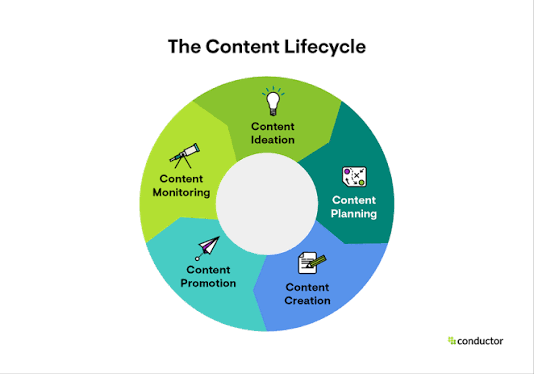
The next stage of the creator economy may depend less on chasing viral moments and more on building sustainable operations.
Creators can develop several income streams, including brand partnerships, commissioned work, platform monetisation where eligible, subscriptions where available, and sales of digital products or services. The right combination will vary according to a creator’s audience, content and business model.
Businesses also have a role to play. Clear contracts, realistic campaign expectations and timely payments can help create healthier relationships between brands and creators.
For policymakers and industry organisations, the challenge is to improve the conditions that allow creative businesses to grow, including access to training, financing and dependable digital infrastructure.
There is also a question of trust. Audiences can quickly lose interest when content becomes repetitive or recommendations appear disconnected from a creator’s usual work. Long-term success therefore depends on producing material people value, not simply accumulating views.
Nigeria’s digital creators are building new ways to entertain, inform, advertise and tell local stories. Their growing visibility shows what is possible when creativity meets a large, connected audience.
But the real measure of the industry’s progress will not be how many videos trend or how quickly new personalities become popular. It will be whether creators can turn that attention into stable businesses, support the people who work with them and continue producing work that audiences want to see.