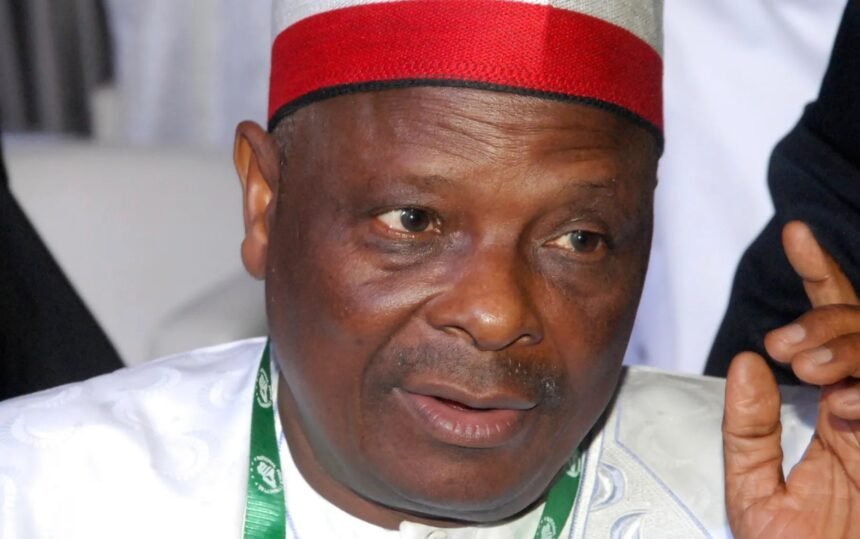
The Nigeria Democratic Congress has ruled out withdrawing from the 2027 presidential election in favour of the African Democratic Congress or any other political party, with its vice-presidential candidate, Senator Rabiu Musa Kwankwaso, insisting that the party remains committed to contesting the poll.
Kwankwaso made the declaration on Sunday in a post on his verified Facebook page, accusing the ADC Presidential Campaign Council of directing unnecessary attacks at him, the NDC presidential candidate, Peter Obi, and the party.
The former Kano State governor dismissed suggestions that the NDC presidential ticket, popularly known as the “OK ticket”, might withdraw from the race at the last minute to support the ADC candidate.
He described the claims as unfounded, saying the party was confident in its ability to contest the election and present an alternative to Nigerians.
“Let me state clearly and unequivocally: we will not withdraw our candidature for the ADC or any other party. We remain confident in our capacity, competence, and readiness to lead Nigeria,” Kwankwaso said.
The declaration comes amid exchanges between opposition political camps as parties and their supporters debate possible alliances, candidate choices and strategies ahead of the 2027 general elections.
Kwankwaso alleged that the ADC campaign team had focused on accusing the NDC of working for the ruling All Progressives Congress instead of presenting its candidate’s credentials and policy proposals to Nigerians.
He warned that similar allegations could emerge closer to the election in an attempt to mislead NDC supporters and create uncertainty about the party’s intentions.
“The OK ticket is neither working for nor acting on behalf of the APC or any of its candidates,” he said.
Kwankwaso maintained that there was no reason for the NDC presidential ticket to withdraw from the contest in favour of the ADC candidate, reiterating that the party intended to pursue its own electoral ambition.
The NDC vice-presidential candidate also challenged the ADC Presidential Campaign Council to respond to allegations reportedly levelled against its candidate by Vice-President Kashim Shettima rather than directing its criticism at the NDC leadership.
He did not provide further details in the statement about the specific allegations involving the ADC candidate or the remarks attributed to Shettima.
Kwankwaso also criticised the APC-led Federal Government and the ADC, arguing that neither offered the kind of alternative he believed Nigeria needed to address its political, economic and social challenges.
He said the NDC presidential ticket was committed to national unity and tackling problems affecting key sectors of the economy, including security, education, agriculture, infrastructure, healthcare and economic development.
According to the former governor, the ticket possessed the capacity, credibility and public support required to implement its proposed agenda if elected.
He expressed confidence that the NDC could attract support across the country, including in northern and southern Nigeria, presenting the ticket as an opportunity to bridge national divisions and address the challenges facing citizens.
The former Kano governor urged party supporters and other Nigerians who shared the NDC’s aspirations to remain committed to its campaign ahead of the elections.
“I therefore urge all our supporters and well-meaning Nigerians to continue working toward the victory of our great party,” Kwankwaso said.
He concluded his message with the campaign slogan, “Nigeria will be OK.”
The exchange highlights the challenges facing opposition parties as they seek to establish their identities, attract supporters and determine how they will approach the 2027 presidential election. While speculation about possible alliances can shape political debate, Kwankwaso’s statement makes clear that the NDC leadership is publicly rejecting any suggestion that its ticket intends to step aside for the ADC or another party.
West Trybe reports that the NDC’s position could influence ongoing discussions about opposition cooperation ahead of the 2027 elections. Whether the party contests independently or explores any future political arrangements will depend on decisions by its leadership, while the competing parties will also need to convince voters that their candidates and policy proposals offer credible responses to Nigeria’s security, economic and governance challenges.