
Fuel station tricks are worth knowing as petrol prices make every litre count for Nigerian motorists. From private car owners to commercial drivers, buyers want to know they are receiving the quantity they paid for. Checking the pump meter, watching the attendant and understanding how to report suspected short-changing can help protect consumers from unfair transactions.
Although unusually fast fuel consumption does not automatically mean a filling station has cheated a customer, certain warning signs deserve attention. These include a pump that does not start at zero, unexplained changes to the amount entered, and dispensing equipment that appears damaged or improperly maintained.
Here are seven practices and warning signs motorists should understand before their next petrol purchase.
The fuel pump zero trick
One of the first things to check at a filling station is the pump display.
Before dispensing begins, the amount and litre readings for the new transaction should start at zero. If the meter displays figures from an earlier purchase, ask the attendant to reset it before allowing fuel to enter your vehicle.

For example, imagine requesting ₦10,000 worth of petrol while the pump still displays ₦2,000 from the previous transaction. If the attendant continues dispensing until the display reaches ₦10,000, you could receive less fuel than you paid for if the earlier reading is included in the total.
The important point is to check the display before the nozzle enters your tank or dispensing starts. Do not assume the attendant has reset the machine simply because the transaction is moving quickly.
If the attendant refuses to clear the display, pause the transaction and ask for assistance from the station manager.
Entering less money than the customer requested
Another warning sign is a mismatch between the amount requested and the amount entered into the pump.
A motorist might request ₦20,000 worth of petrol, only to discover that the attendant has entered ₦10,000. The attendant may describe it as a mistake and offer to dispense the balance separately.
An incorrect entry can happen accidentally, so it is not proof of fraud by itself. However, customers should pay attention when the amount repeatedly differs from their instructions or when the attendant becomes evasive about correcting it.
Before dispensing starts, confirm the amount on the pump display. If the transaction must be completed in two stages, check the first amount, confirm that the meter resets and verify the second amount before leaving.
For large purchases, keeping a simple record of each transaction can make discrepancies easier to identify.
Suspicious changes during fuel dispensing
Motorists should also pay attention when an attendant interrupts a transaction without a clear explanation.
For example, the attendant may stop dispensing unexpectedly, remove the nozzle before the requested amount is reached or restart the transaction without first explaining what happened.
There can be legitimate reasons for interruptions, including an automatic shut-off, a problem with the dispenser or a change requested by the customer. The concern arises when the attendant cannot explain the interruption or the final figures do not match the agreed purchase.
Watch the amount and litre readings throughout the transaction. If dispensing stops before the requested value is reached, ask the attendant to explain the displayed figures before proceeding.
Do not rely solely on the amount shown when the transaction ends. Check that the final reading reflects what you agreed to buy.
The fuel hose and nozzle warning signs
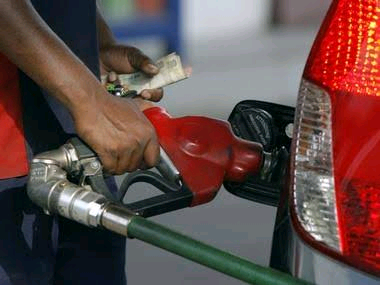
The condition and handling of the dispensing equipment also matter.
Nigeria’s Weights and Measures Regulations contain specific provisions for liquid-fuel measuring instruments. Among other requirements, they address the length and design of dispensing hoses, the prevention of measured liquid being trapped in the nozzle, and the accuracy of the measuring mechanism.
This makes the equipment itself relevant when investigating a suspected short delivery.
However, a hose that bends or hangs loosely does not, by itself, prove that fuel has been withheld. Neither does a nozzle that stops automatically when the tank is full.
Motorists should instead watch for obvious damage, leaks, unusual equipment handling or a dispensing arrangement that appears inconsistent with normal operation.
If the hose or nozzle looks damaged, or the attendant handles it in a way that raises a genuine concern, ask the station manager to inspect the equipment. Avoid attempting to dismantle, repair or manipulate the pump yourself.
Misleading litre and money readings

Some motorists concentrate on the naira amount and pay little attention to the litres displayed on the pump.
Both readings matter. The amount shows the cost of the transaction, while the litre display shows the volume the dispenser claims to have delivered.
A customer who requests a particular amount should check that the displayed amount increases as expected and that the transaction ends at the agreed figure.
For instance, if you ask for ₦15,000 worth of petrol, pay attention to the meter as it approaches that amount. If the attendant stops dispensing well before the target and says the purchase is complete, ask for an explanation.
Remember that the number of litres purchased depends on the price per litre. When comparing purchases, use the price displayed at the station and the actual amount paid rather than relying on memory or assumptions about how much a particular amount should buy.
If the displayed figures appear inconsistent, request clarification before paying or driving away.
Distraction during a petrol purchase
A busy filling station can make it difficult to watch every part of a transaction. Attendants may be serving several customers, drivers may be answering calls, and people may be in a hurry to get back on the road.
This is why motorists should avoid becoming distracted while petrol is being dispensed.
Keep your attention on the pump display, especially before dispensing begins and when the transaction ends. If you are paying by transfer, confirm the amount involved and ensure the transaction is complete.
Do not allow pressure from a queue to prevent you from checking your purchase. A brief pause to confirm the figures is better than discovering a possible discrepancy after leaving the station.
At the same time, distraction is not evidence that an attendant has deliberately cheated a customer. It simply makes it easier to overlook mistakes and harder to resolve disagreements later.
Suspected petrol pump fraud: How to report it
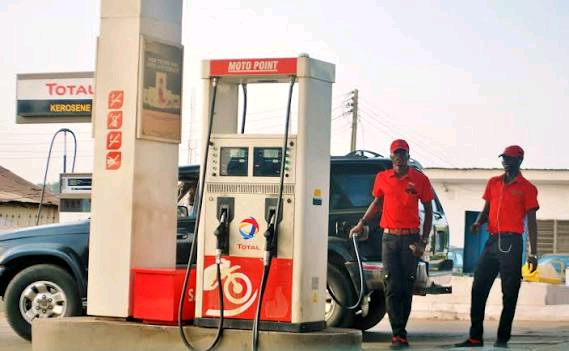
When a petrol purchase appears incorrect, motorists should seek clarification while they are still at the station.
Ask to speak to the manager and explain the specific discrepancy. Keep the receipt, if one is available, and record the station’s name, location, date, time, amount paid and displayed readings. Photographs of the display may help document the issue where they can be taken safely and without interfering with the transaction.
For suspected measurement problems, the appropriate authorities include the Weights and Measures Department of the Federal Ministry of Industry, Trade and Investment, which oversees legal metrology in Nigeria.
Consumers can also approach the Federal Competition and Consumer Protection Commission (FCCPC). Its official guidance says complaints should first be raised with the service provider. If the matter remains unresolved, consumers can submit a complaint to the Commission with the relevant details and supporting evidence.
Its published guidance lists the complaint hotlines as 08056002020 and 08056003030.
The Nigerian Midstream and Downstream Petroleum Regulatory Authority also operates an official helpdesk with a Consumer Affairs Bureau and channels for reporting suspected misconduct.
Motorists should describe what they observed rather than publicly accusing an attendant of fraud without evidence.
What every motorist should remember

Buying petrol should not require drivers to become experts in fuel pumps. A few simple checks can make a difference: confirm that the meter starts at zero, verify the requested amount, watch the readings, inspect obvious equipment problems and keep evidence when something goes wrong.
Not every unexpectedly fast drop in a fuel gauge points to a filling-station problem. Driving conditions, traffic, vehicle maintenance and fuel-system faults can also affect consumption.
However, when the figures do not add up, customers have the right to ask questions and seek a proper explanation.
With petrol taking a substantial share of many transport and household budgets, paying attention at the pump is a practical way to protect every naira.