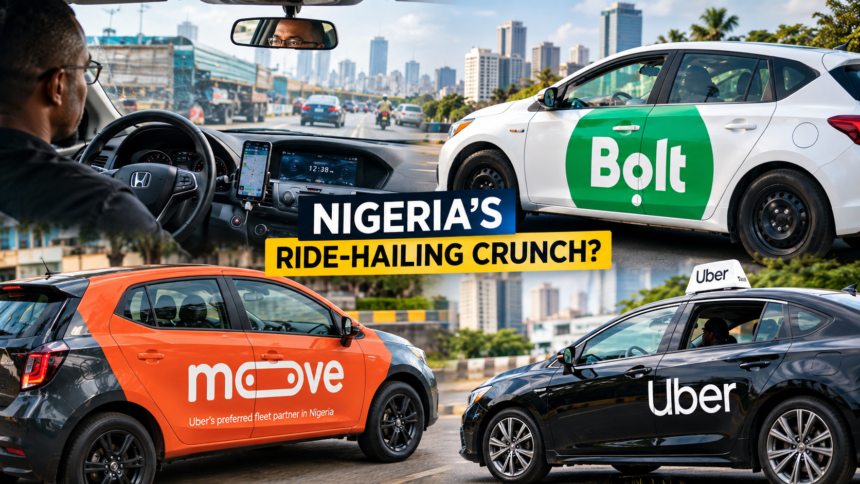
Nigeria’s ride-hailing business is facing rising fuel prices, vehicle financing costs and pressure on driver earnings following Uber’s exit in September 2026 and Moove’s decision to wind down its Nigerian operations in October. The developments have raised questions about how operators can keep fares affordable while ensuring drivers earn enough to sustain their work.
Why Nigeria’s Ride-Hailing Business Faces Rising Costs
Mildred Ekanem, Executive Director of LagRide, said operating a mobility business requires more than connecting passengers with drivers through an application.

“Running a technology-enabled mobility business in Lagos requires much more than building an application and connecting passengers with drivers,” she said.
“The real challenge is creating a sustainable transportation ecosystem in an environment characterised by high financing costs, fluctuating energy prices, infrastructure limitations and significant pressure on consumer purchasing power,” she added.
Ekanem identified vehicle acquisition and financing as major considerations.
“Vehicle acquisition and financing remain among the biggest cost considerations,” she said.
“The greatest challenge is achieving the right balance between vehicle acquisition costs, financing, daily utilisation and passenger affordability. A sustainable mobility business must optimise all four rather than simply increase fares.”
For operators, the challenge is covering expenses without pricing passengers out of the market. Drivers must also earn enough to pay for fuel, maintenance and other costs.
Fuel Prices and Driver Earnings Under Pressure
Teddy Appa-Dankyi, Senior General Manager for Bolt West Africa, said rising operating costs affect drivers, platforms and passengers.
“Nigeria’s ride-hailing industry operates within a dynamic economic environment, where fuel prices, vehicle maintenance, insurance, financing costs and general inflation affect both drivers and platforms,” he said.
“These pressures also influence consumers’ purchasing power and their ability to absorb changes in transport costs,” he added.
He explained how vehicle expenses affect drivers‘ earnings.
“For driver-partners, the cost of keeping a vehicle operational is a significant consideration in determining how much they earn from their activity on the platform,” he said.
“Fuel, servicing, insurance, financing and depreciation all affect what a driver ultimately retains, and these costs can vary considerably depending on the vehicle, location, distance travelled and hours spent on the platform.”
Bolt said its pricing approach considers both passenger affordability and driver earnings.
“Our approach to pricing considers prevailing market conditions and trip dynamics, while balancing rider affordability with the need to support driver-partners’ earning opportunities,” Appa-Dankyi said.
“Earnings differ from one driver to another depending on factors such as demand, operating hours and individual vehicle expenses.”
Vehicle Financing Makes Utilisation Critical
Vehicle financing creates additional pressure because drivers and fleet operators may have payment obligations even when vehicles are not generating revenue.
Ekanem explained the financial requirements of operating a fleet.“Each vehicle must generate sufficient revenue to support its operating obligations, including financing, maintenance, insurance and other associated expenses, while allowing the Captain to earn a reasonable income,” she said.
She also highlighted the risks associated with vehicle downtime.“Vehicle downtime is one of the biggest risks in fleet-based mobility operations because a vehicle that is not generating revenue may still be accumulating costs,” Ekanem said.
“Financing obligations, insurance, depreciation and other fixed expenses do not automatically disappear because a vehicle is temporarily unavailable.”
Ekanem said reduced utilisation affects both drivers and fleet operators.
“Lower utilisation can reduce the income available to meet operating obligations and place pressure on both the Captain and the wider fleet economics,” she said. “The response must therefore be operational as well as financial.”
She added that effective vehicle management is essential.“We believe that preventing avoidable problems is significantly more effective than constantly responding to emergencies,” Ekanem said.
“Our approach is to manage the vehicle as a productive economic asset throughout its operational life, not simply as a car available for bookings on an application.”
Different Ride-Hailing Models Carry Different Risks
Some ride-hailing platforms rely on drivers or third-party fleet owners to provide vehicles, while others take greater responsibility for vehicle financing and management.
Ekanem explained the differences.
“An asset-light ride-hailing platform can expand relatively quickly because individual drivers or third-party fleet owners bear much of the responsibility for vehicle acquisition and maintenance,” she said.
“A more structured fleet ecosystem requires greater coordination, stronger operational oversight and disciplined management of vehicle financing and utilisation,” she added.
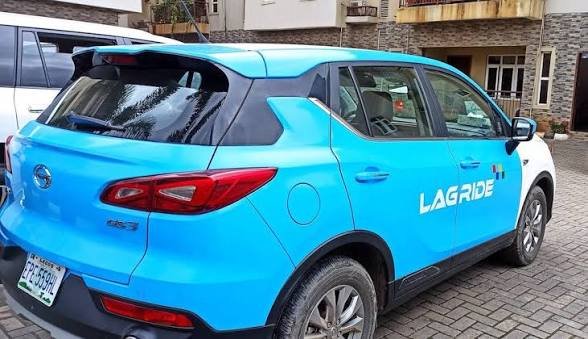
She said a company’s nationality does not determine whether its business model will succeed.
“The question is not whether a mobility company is local or international,” Ekanem said. “It is whether its operating model genuinely addresses the economic realities of the market in which it operates.”
Fuel Costs and Platform Commissions Deepen Disputes
Platform commissions have become another source of disagreement, with drivers arguing that deductions reduce their earnings while they continue to pay for fuel, maintenance and other expenses.
Appa-Dankyi said operators must consider passengers’ ability to pay.
“Riders remain sensitive to fares, making it important to balance affordability with the need to support sustainable driver earnings,” he told Nairametrics.
The dispute intensified in October when the Amalgamated Union of App-Based Transporters of Nigeria (AUATON) organised industrial action over fares, commissions and driver welfare.
The union demanded a 10% commission cap and fare reviews. Its four-day shutdown ended on October 16, when it directed drivers to resume normal operations.
The disagreement reflects the difficulty of balancing drivers‘ earnings with the cost of maintaining ride-hailing platforms.
Why Uber’s Exit Mattered to Moove
Uber discontinued its Nigerian operations on September 2, 2026, after 12 years in the market. Moove announced its Nigerian wind-down on October 8, six years after launching in Lagos.
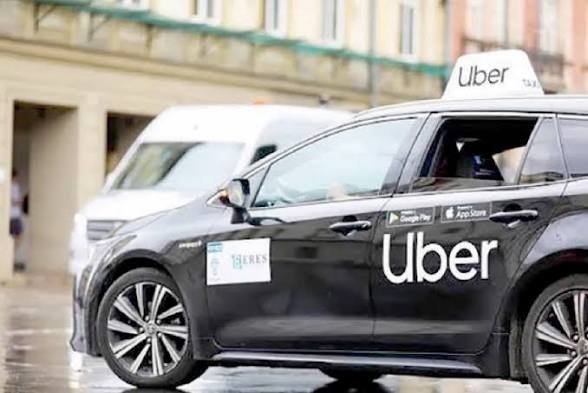
Moove said Uber’s departure materially changed the operating environment for its Nigerian business. After assessing its options, the vehicle-financing company said it could not sustain its operating model.
The company reported that more than 9,000 Nigerian customers had used its products and that vehicles financed through its business generated ₦57 billion in revenue.
Under its wind-down arrangements, eligible customers were to receive vehicles worth approximately ₦35 billion without further payments for those vehicles.
The developments highlight the connection between ride-hailing platforms and vehicle-financing businesses. Platforms depend on drivers and vehicles to complete trips, while financing companies depend on those vehicles generating sufficient income.
However, the departures do not establish that one particular factor caused either company’s decision or that Nigeria’s entire ride-hailing market is unviable.
Can Nigeria’s Ride-Hailing Industry Remain Sustainable?
Uber’s exit created an opportunity for other operators to attract drivers and passengers. Bolt reported a 92% week-on-week increase in driver registrations following the departure, although registrations alone do not establish how many drivers became active or whether their earnings were sustainable.
Ekanem said LagRide had observed increased interest from drivers and passengers but cautioned against attributing all the interest to competing companies’ exits. She said the company monitored driver enquiries, onboarding, passenger bookings and fleet deployment but did not provide figures quantifying the changes.
She emphasised the importance of driver welfare, vehicle maintenance and passenger confidence.
“A mobility ecosystem cannot be sustainable if its drivers cannot earn a decent living, its vehicles are not properly maintained or its passengers cannot trust the service,” she said.
Ultimately, Nigeria’s ride-hailing business must balance operating costs, driver earnings and passenger affordability. The departures of Uber and Moove expose the challenges facing the industry, but the long-term outcome will depend on whether operators can build business models that remain financially sustainable while providing reliable transportation.