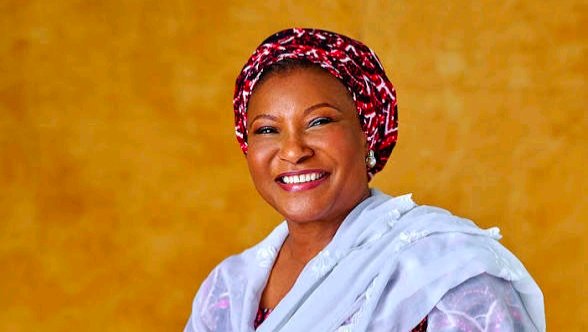
Senator Ireti Kingibe has warned Nigerians that they could face a 25 per cent tax burden in 2027, claiming that the National Assembly has already passed a law requiring citizens to pay a quarter of their earnings in tax.
Kingibe, who represents the Federal Capital Territory (FCT) in the Senate, made the statement in a video circulating online on Monday, October 19, 2026, urging Nigerians to pay attention to the potential financial implications of the country’s tax policies ahead of the 2027 general election.
In the video, the senator suggested that the implementation of the alleged policy was being delayed until after the election, warning that its eventual enforcement could place additional pressure on citizens.
What Ireti Kingibe Said About the 25% Tax
Kingibe claimed that Nigerians were largely unaware of the tax policy she was referring to and warned that the outcome of the 2027 election could have significant implications for their financial future.
She said: “They passed the policy, but fear won’t let them implement it until after the elections.”
The senator also warned that companies could transfer the tax burden to consumers, potentially affecting the prices of goods and services.
Her comments have brought renewed attention to taxation and its possible implications for Nigerian workers, business owners and households already dealing with rising living costs.
Kingibe’s warning centres on the possibility that Nigerians could face greater financial pressure after the next general election, making taxation an issue for voters to consider ahead of the polls.
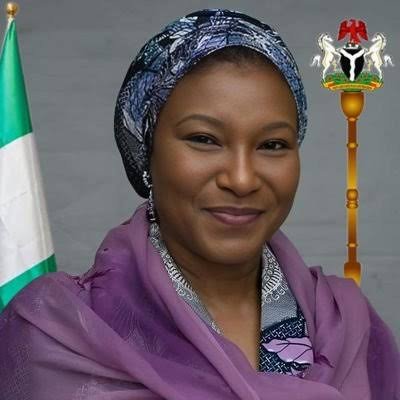
What the 25% Tax Claim Means for Nigerians
The senator’s remarks come amid changes to Nigeria’s tax framework under the Nigeria Tax Act 2025, which took effect on January 1, 2026.
The law introduced a progressive personal income tax structure under which different portions of taxable income attract different rates.
Under the Act, the first ₦800,000 of annual taxable income falls within the zero per cent tax band, while the rates increase through 15, 18, 21 and 23 per cent, reaching a maximum of 25 per cent on taxable income above ₦50 million.
This means the existing law does not impose a flat 25 per cent personal income tax on every Nigerian’s earnings.
However, Kingibe’s comments raise questions about whether she was referring to the existing tax provisions or another policy she believes could increase the financial burden on citizens after the election.
The specific provision she referenced has not been independently established from the available information.
Why the Warning Matters Ahead of 2027

Taxation is likely to remain an important issue as Nigerians prepare for the 2027 general election, particularly amid concerns about household expenses, purchasing power and the cost of running businesses.
For workers, changes to personal income tax can affect take-home pay. Businesses may also face tax obligations that influence their operating costs, although whether those costs are passed on to consumers depends on individual circumstances and market conditions.
Kingibe’s warning therefore places the potential impact of tax policies within the wider political debate about economic management and the financial pressures facing Nigerians.
Her comments also highlight the importance of explaining tax laws clearly so citizens can understand which taxes apply to them, how rates are calculated and what changes may be introduced.
The distinction between an existing tax rate and a proposed future measure remains important. Although the Nigeria Tax Act 2025 provides for a maximum personal income tax rate of 25 per cent, that rate does not apply uniformly to every taxpayer.
As the debate over taxation continues ahead of the 2027 election, clarification of the specific policy Kingibe referenced would help Nigerians understand the basis of her warning and what it could mean for their finances.